







Casa del Rey Moro
- Where
- Ronda, Andalusia
- Directions
- Directions
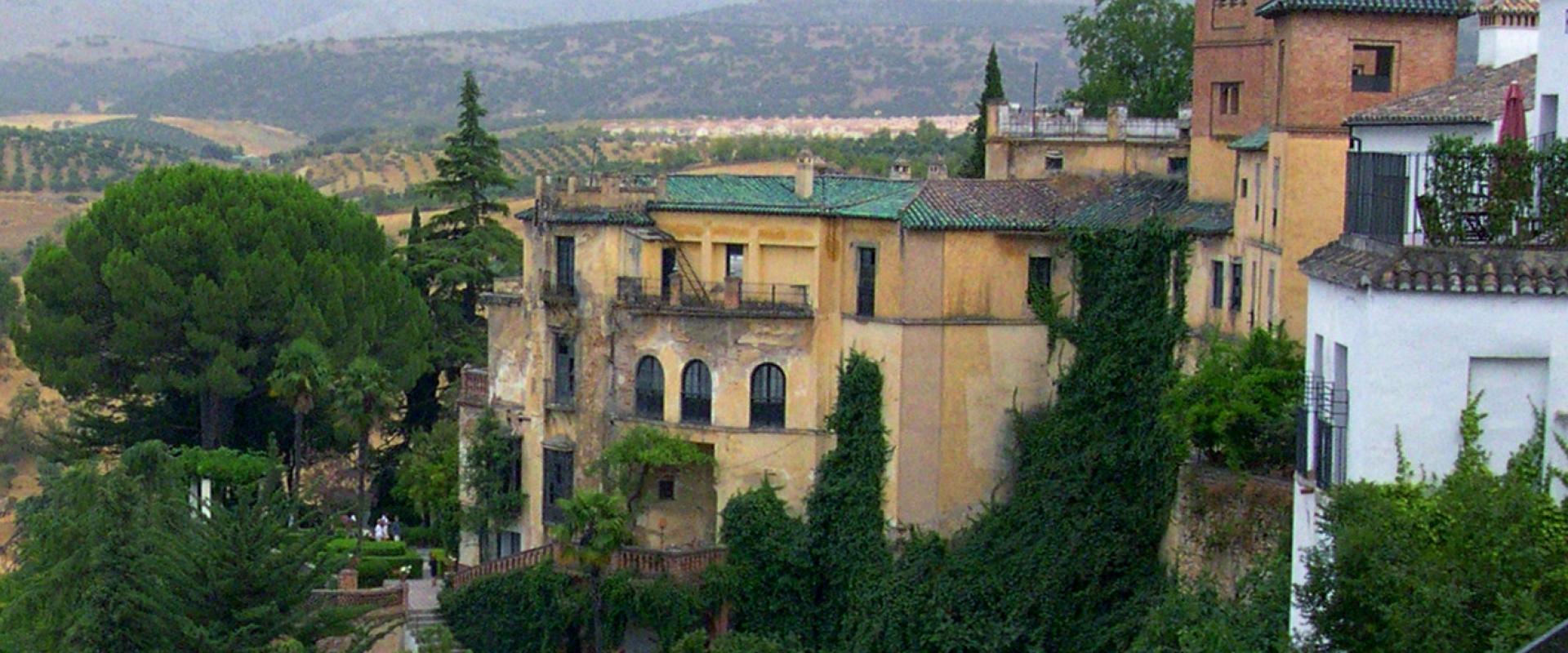
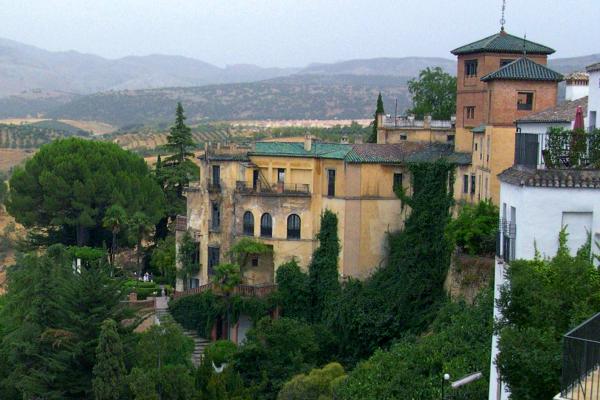
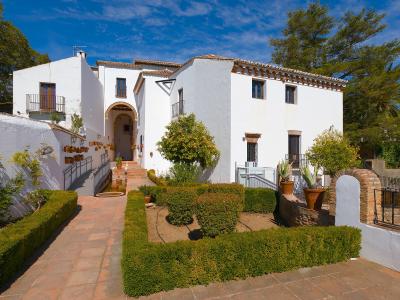
The Casa del Rey Moro, the House of the Moorish King, is one of the sights of Ronda that surprises people most, since the name suggests a medieval palace and the reality is rather different. The house that stands on the cliff edge above the gorge of El Tajo was built in the early eighteenth century, long after the Muslim period, and no Moorish king ever lived in it. The name comes from older legends about the site, which was fortified in the Moorish era, and from the fact that the cliffs below conceal a real piece of Islamic engineering. The house itself is a private residence that is not open to the public in the usual way, so the visit is about the gardens and the water mine.
The gardens were laid out in the early twentieth century for the Duchess of Parcent, who had bought the property, by the French landscape architect Jean-Claude Nicolas Forestier. Forestier was a leading figure in garden design who also worked on the parks of Paris and Seville, and in Ronda he combined the geometry of French formal gardens with elements of Hispano-Moorish tradition, such as water channels, small pools and fountains. The garden is arranged in terraces that descend the slope towards the gorge, with lawns, flower beds, cypresses and palm trees, and the white walls and tiled details have a Spanish look. The terraces are quiet and sheltered, and the views over the Guadalevín valley and the countryside beyond are among the best in the town.
The most unusual attraction is La Mina, the water mine, a staircase and tunnel cut through the rock inside the cliff that leads down to the river at the bottom of the gorge. It dates from the fourteenth century, when Ronda was a Nasrid town, and its purpose was to give the inhabitants a secure source of water in time of siege, because the city’s water otherwise came from the river far below, outside the walls. The stairway of more than two hundred steps descends in a series of flights through chambers and passages, with small openings that give light and views. According to tradition, Christian captives were forced to carry water up the steps for the town’s Muslim rulers. The tunnel was also used for storing supplies and as a hiding place in times of danger.
The descent is steep and the steps are uneven, so it needs care and good footwear, and the return climb is tiring. The interior is cool and slightly damp, and it can feel claustrophobic for some. A visit to the gardens and the mine takes about an hour.
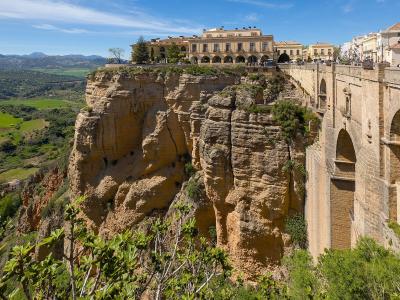
The Casa del Rey Moro is near the Puente Nuevo, the Museo de Ronda and the Mercado de Abastos, so it fits easily into a day of sightseeing in Ronda. Opening hours and ticket prices change, and the site may close at times, so check locally before going.
Categories
More photos coming soon
Questions people ask
Quick Facts
Best Time to Visit
April to June and September to October offer pleasant weather for exploring.