
History and Cultural Heritage
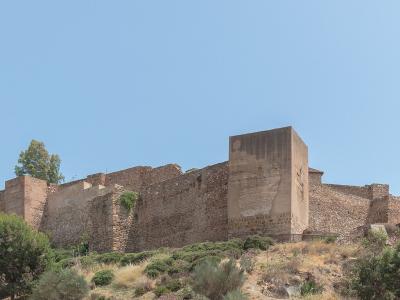
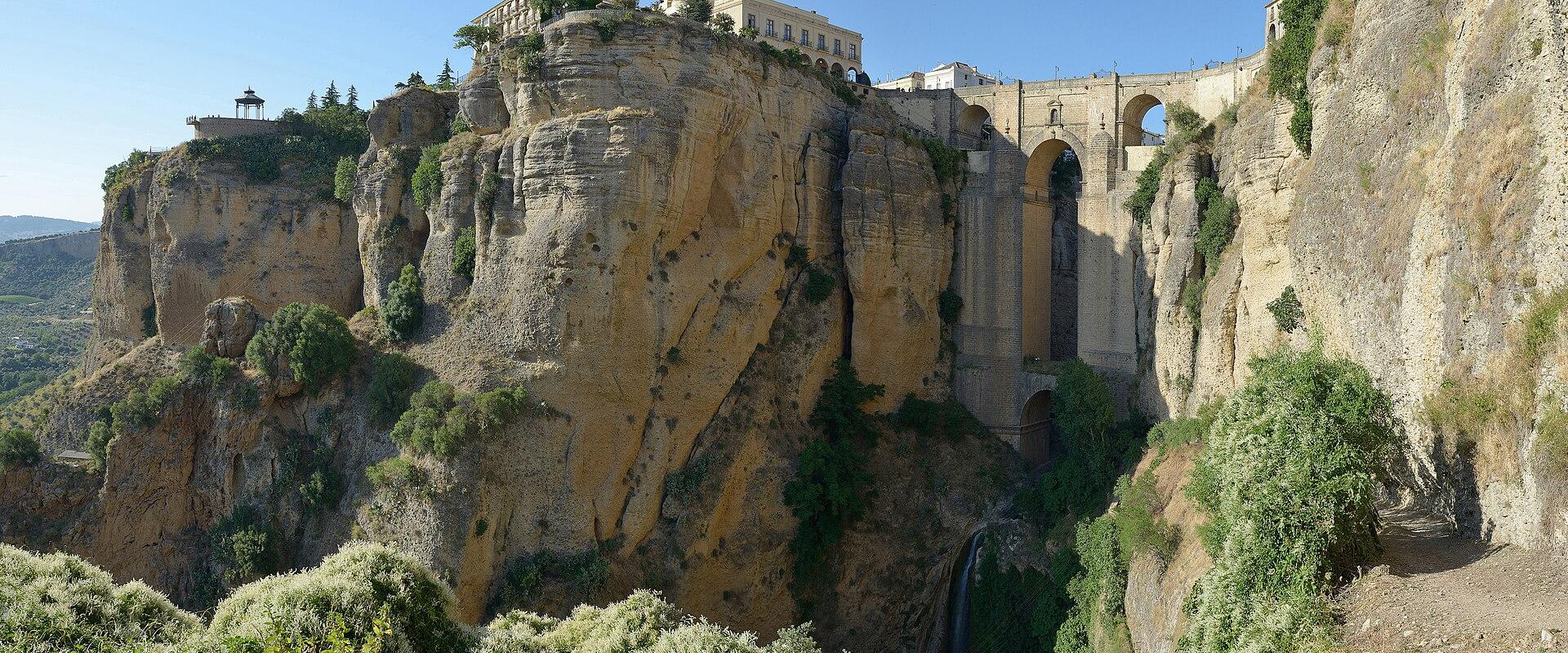
Ronda’s history is deeply intertwined with its dramatic geography, shaped by the steep cliffs of the El Tajo gorge that separate the old town, El Tajo, from the rest of the city. This natural barrier has historically provided a defensive advantage, making the town a strategic stronghold. The area has been inhabited since prehistoric times, with evidence of Neanderthal presence, but its historical significance is most visible in the Moorish and Islamic periods. The Alcazaba, a Moorish fortress, stands as a testament to the Islamic rule that once dominated the region, offering ruins that hint at the complex history of the area. The town’s layout, divided by the deep gorge, reflects its historical role as a fortified settlement, with the upper town retaining much of its medieval character. The blend of Moorish, Islamic, and later Christian influences is evident in the architecture, creating a unique cultural tapestry that defines the town’s identity.
Main Attractions
The most iconic landmark in Ronda is the Puente Nuevo, a massive stone bridge that spans the 120-meter deep El Tajo gorge. Built in the 18th century, this architectural marvel connects the old and new parts of the town and offers breathtaking views of the gorge below. The bridge is not just a functional structure but a symbol of the town’s resilience and engineering prowess. Another key attraction is the Plaza de Toros, one of the oldest bullrings in Spain, built in the 18th century. This arena, with its classical architecture, is considered the birthplace of modern bullfighting and offers a glimpse into the traditional Spanish culture. The bullring’s museum provides historical context, detailing the evolution of bullfighting and its cultural significance. Additionally, the Alcazaba, a Moorish fortress, offers panoramic views and a glimpse into the region’s Islamic past, with its ruins and historical artifacts providing a deeper understanding of the area’s history.
Activities
Visitors to Ronda can engage in a variety of activities that highlight the town’s natural and cultural beauty. The most popular activity is walking along the gorge, where visitors can enjoy stunning views of the deep chasm and the surrounding landscape. The walk along the edge of the gorge offers a unique perspective of the town and the natural beauty of the region. For those interested in history, a visit to the Plaza de Toros is essential, where one can explore the history of bullfighting and the cultural traditions associated with it. The bullring’s museum offers detailed information about the history of bullfighting, providing a deeper understanding of this traditional Spanish practice. Additionally, visitors can explore the old town, with its narrow streets and historic buildings, offering a glimpse into the town’s rich history and cultural heritage.
Getting There
Ronda is easily accessible by car, with well-maintained roads connecting it to major cities in the region. The A-368 highway provides easy access to the town, with clear signage and well-maintained roads. For those traveling by public transport, there are regular bus services from nearby cities such as Malaga and Seville. The bus station in Ronda is well-connected, with frequent services to and from major cities in the region. The journey by bus is comfortable and offers scenic views of the surrounding landscape. For those arriving by air, the nearest airport is Malaga-Costa del Sol Airport, which is approximately one hour’s drive from Ronda. From the airport, visitors can take a taxi or a pre-booked transfer to reach the town, with the journey taking approximately one hour.
Best Time to Visit
The best time to visit Ronda is during the spring (April to June) and autumn (September to October) months, when the weather is mild and pleasant. The summer months can be hot, with high temperatures that may be uncomfortable for outdoor activities. The winter months are mild, but the weather can be unpredictable, with occasional rain. The ideal time to visit is during the spring and autumn, when the weather is pleasant and the crowds are smaller. The spring months offer blooming flowers and mild temperatures, while the autumn months offer clear skies and comfortable temperatures. The best time to visit depends on personal preference, but the spring and autumn months offer the best balance of weather and fewer crowds, allowing for a more relaxed and enjoyable experience.
Best time to visit
April to June and September to October offer pleasant weather for exploring.
What to see in Ronda
Our picks first.
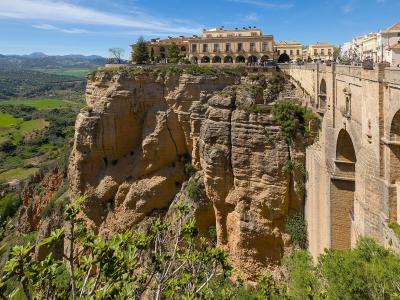
Puente Nuevo (New Bridge)
Historic Heritage · Nature & Outdoors
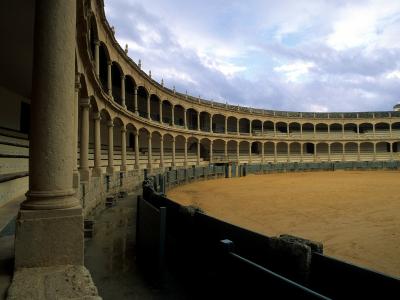
Plaza de Toros de Ronda
From €9 Historic Heritage · Museums & Culture
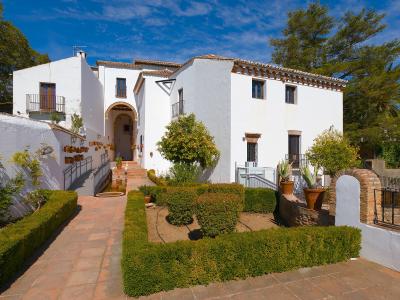
Museo de Ronda
Architectural Heritage · History Museums
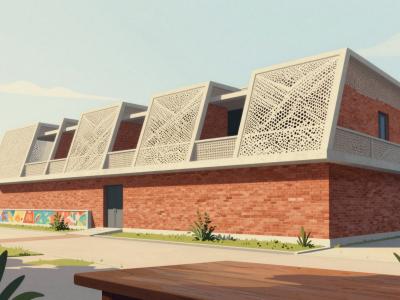
Mercado de Abastos
City Centers · Markets
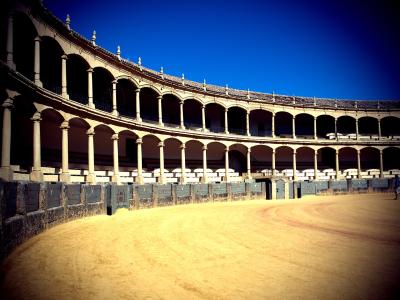
Plaza de Toros Old Bullring
Historic Heritage · Museums & Culture
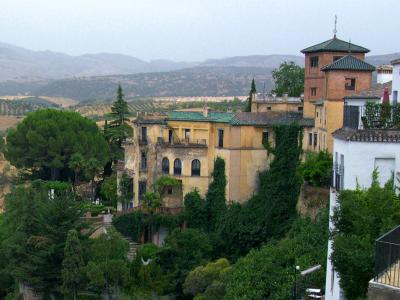
Casa del Rey Moro
Gardens · Geological Sites
Ronda by interest
The same sights, grouped by what you came for.
Planning a visit to Ronda
Itineraries that include Ronda
Good to know
- Currency
- EUR
- Language
- Spanish