







Castillo de Javier
- Where
- Olite, Navarre
- Directions
- Directions
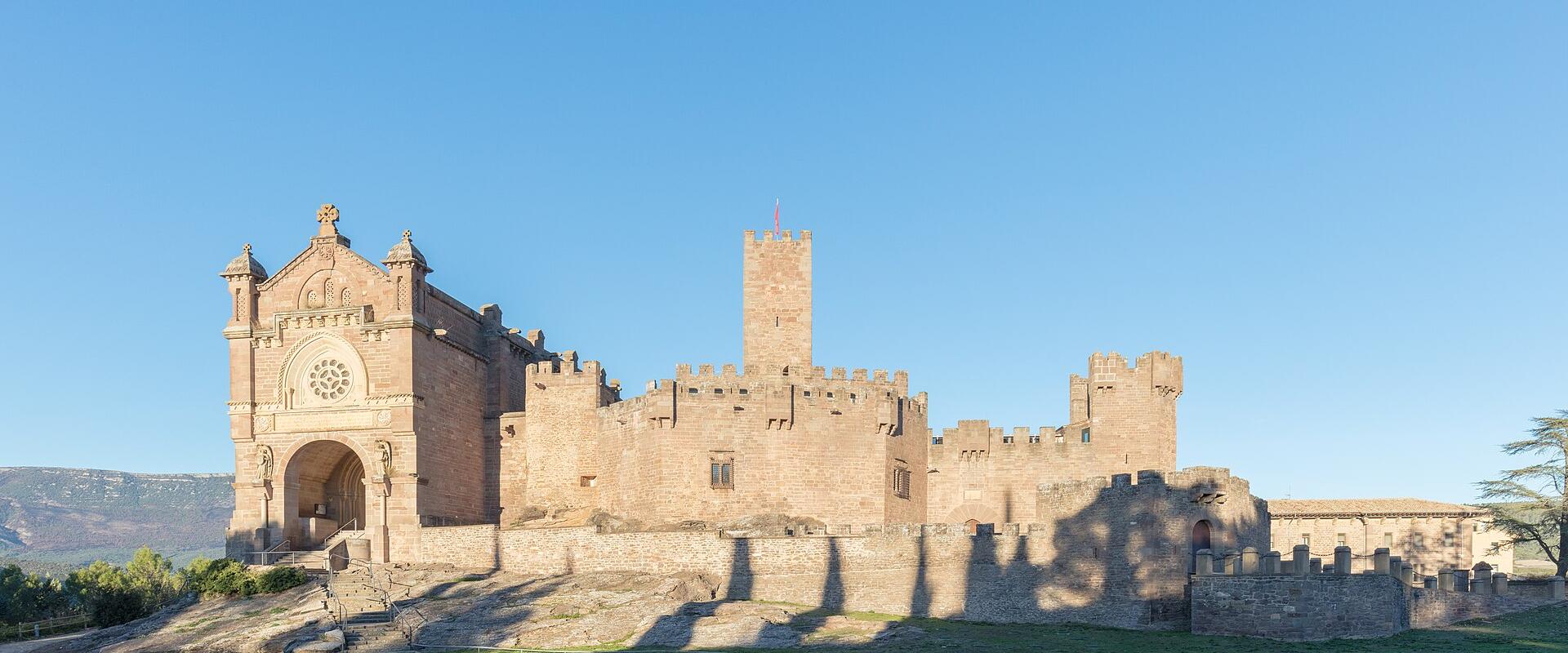
The Castillo de Javier stands in the village of Javier, in the east of Navarre, not far from the town of Sangüesa. It is the birthplace of Saint Francis Xavier, one of the most famous missionaries in the history of the Catholic Church and a co-founder of the Society of Jesus with Ignatius of Loyola. Francis was born in the castle in 1506, the youngest child of a noble family, and he spent his early years in the surrounding valley. As a young man, he went to study in Paris, where he met Ignatius, and in 1540 he set out as a missionary to India, later preaching in Southeast Asia and Japan. He died in 1552 on an island off the Chinese coast and was canonised in 1622.
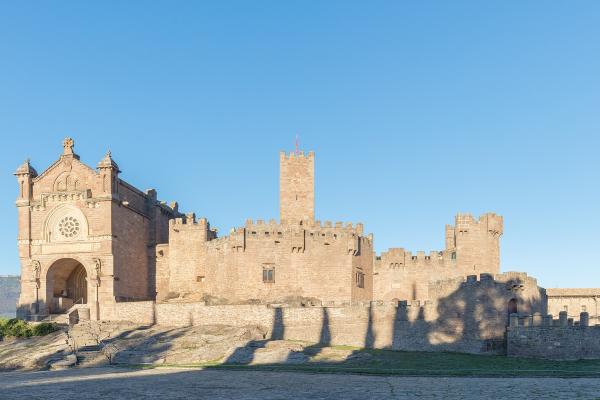
The castle has medieval origins, and a high tower of defence is among its oldest parts. The fortress was part of a chain of defences in the kingdom of Navarre. In the early sixteenth century, after Navarre was conquered by Castile, the walls and towers were partly dismantled on royal orders, and for a long time the building was in decline. Starting in the late nineteenth century, a major restoration led by the Jesuits gave it the form that visitors see now, with battlements, towers, a drawbridge over a dry moat and rooms reconstructed in a romantic medieval style.
Visitors walk through the interior, where displays tell the story of Francis Xavier's life and mission. Rooms hold paintings, models, maps and objects related to his travels, and the chamber in which he is said to have been born is a focus for pilgrims. The oratory has a famous carved wooden figure of Christ, the Santo Cristo de Javier, a medieval work with a striking expression, which tradition links to the saint's family and to miracles. A neo-Gothic basilica was added next to the castle in the nineteenth century for pilgrims, and it holds a space for prayer and liturgy.
Javier is a place of pilgrimage. Every year in March, in an event known as the Javierada, thousands of people walk to the castle from Pamplona and other towns, many of them overnight, to honour the saint, and the occasion mixes devotion with a popular festival. Outside such dates, the castle is calm, and the green hills around it are pleasant.
The castle is about fifty kilometres from Olite, so it is a separate excursion by car rather than a walk from the royal palace of Olite. It suits pilgrims, history lovers and families, and a visit takes about an hour. Check opening hours and arrangements before travelling.
Categories
More photos coming soon
Questions people ask
Quick Facts
Best Time to Visit
May through June and September offer mild weather, ideal for exploring the historic town.