







Palacio de los Reyes de Navarra (Museum)
- Where
- Olite, Navarre
- Directions
- Directions
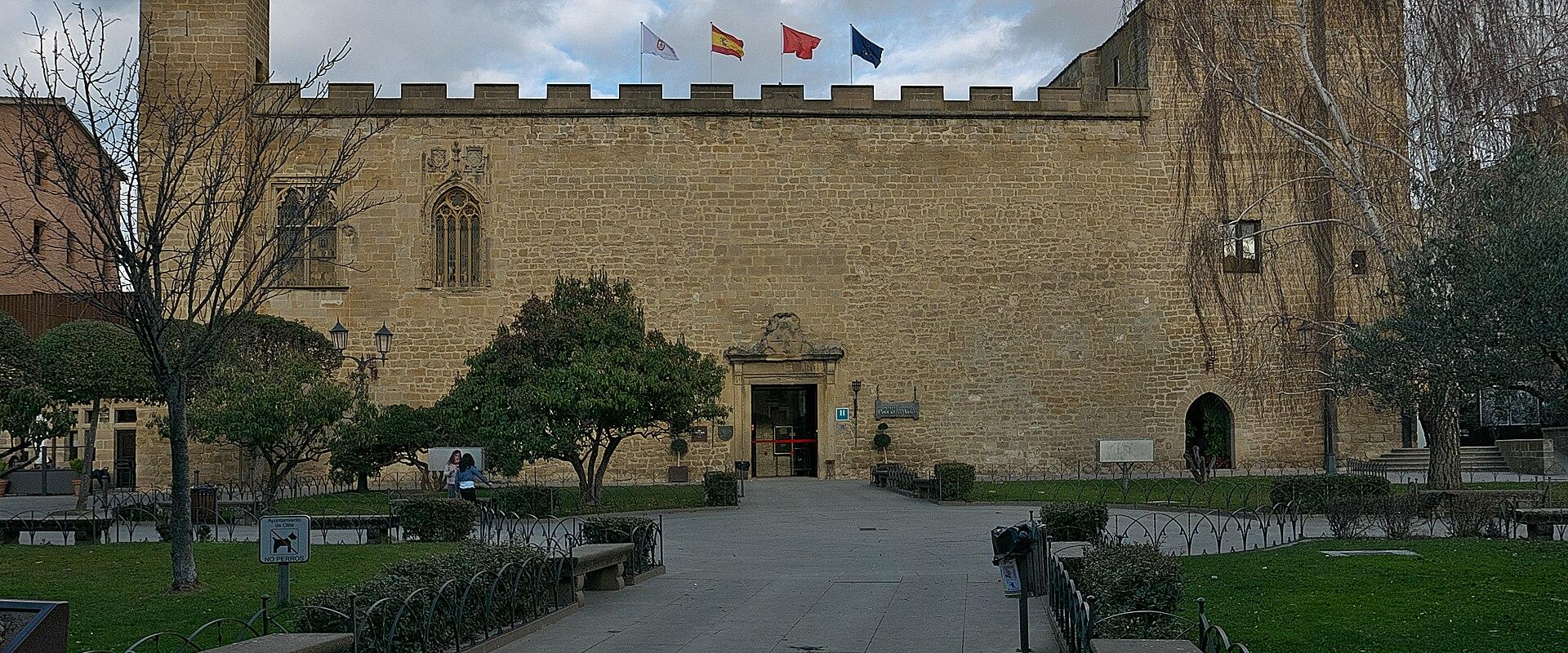
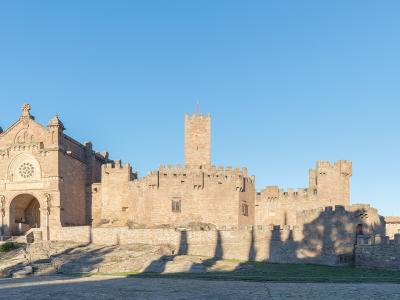
The Palacio de los Reyes de Navarra, the palace of the Kings of Navarre in Olite, is also known as the Royal Palace of Olite, and its New Palace is the part open to visitors as a museum and monument. It was the creation of Charles III the Noble in the early fifteenth century, when the kingdom of Navarre had close ties with France, and the king wanted a residence that matched the courts of his neighbours. The result was a palace-castle with towers, terraces, galleries and gardens, built with the help of skilled craftsmen from different regions, and it was regarded as one of the most elegant in Europe.
The building is a Gothic palace, but with the practical features of a fortress. Its thick walls and square towers could be defended, while inside the rooms were once decorated with painted ceilings, tiles and tapestries, and the windows and galleries were designed to bring in light. After Navarre was absorbed into the Crown of Castile in the sixteenth century the palace declined, and in 1813 it was burned during the Peninsular War to deny it to French troops. The restoration that began in 1937 and continued in later decades rebuilt much of what is seen today, and it is a modern reconstruction on the basis of surviving structures and documents, so the interiors show the restorers’ interpretation more than original furnishings.
A visit follows routes through halls, corridors and terraces, and in the New Palace rooms such as the royal chambers show how the court lived. Windows with a distinctive shape, described as trumpet-like, appear in some of the rooms. A garden reached from the queen’s chamber gives a pleasant quiet space with orange trees, and from the towers you can look across the town and the Navarrese plain. The Torre del Homenaje, the tallest and most imposing, the Torre de las Tres Coronas, whose name and capricious form attract attention, and the Torre de los Cuatro Vientos, named for the winds, are the main towers. Climbing them involves narrow stairs.
Information panels and, at times, an audio guide explain the history, and guided tours offer more context, including versions for children and school groups. The palace sits beside the Plaza de la Constitución and next to the Iglesia de Santa María la Real, and the Jardines del Palacio Real, the Casa de la Cadena and the wine cellars of Olite are close. The Old Palace, which now houses the Parador de Olite, can be admired from outside, and the Castillo de Javier lies some distance away.
Ticket arrangements and hours change through the year, so check the official website before planning a visit. Allow around ninety minutes.
Categories
More photos coming soon

Questions people ask
Quick Facts
Best Time to Visit
May through June and September offer mild weather, ideal for exploring the historic town.