







- Admission
- Free admission
- Hours
- Open daily
- Where
- Cartagena, Murcia
- Directions
- Directions
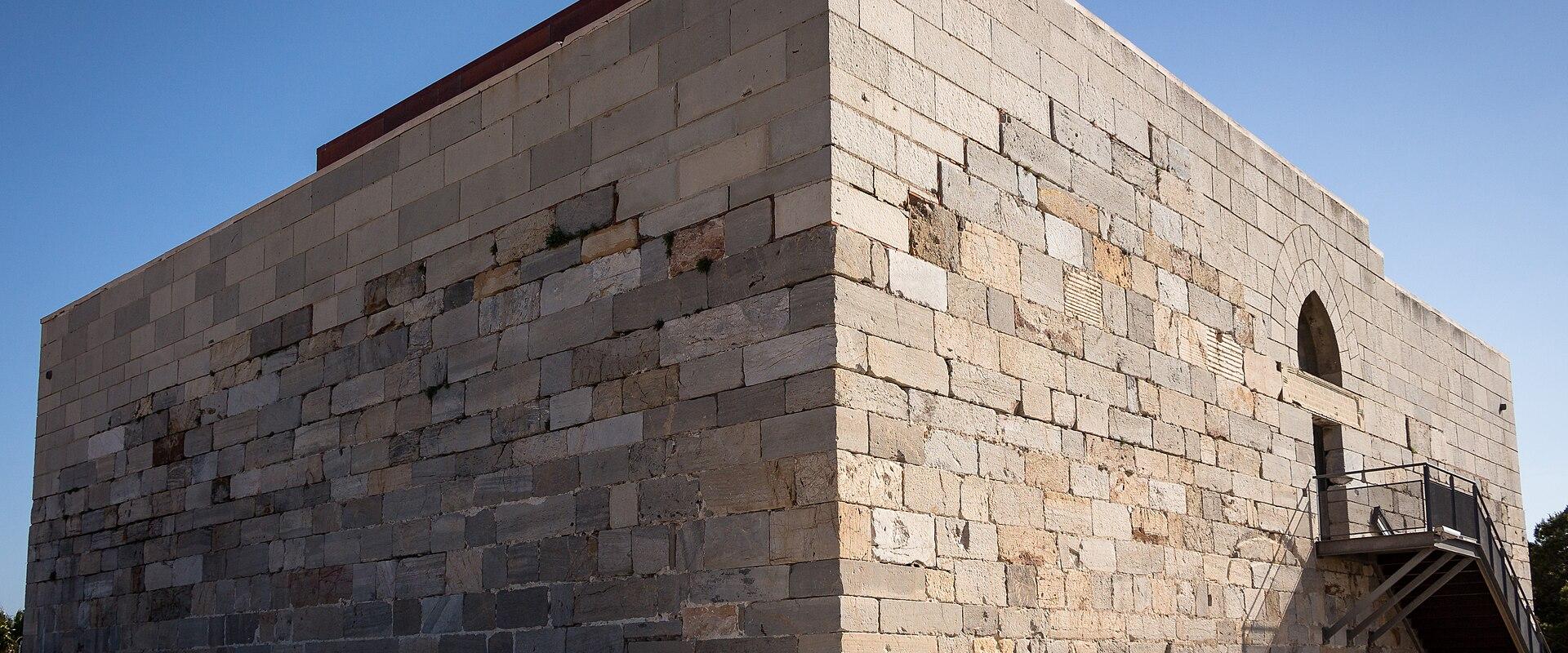
The Castillo de la Concepción crowns a low hill in the middle of Cartagena, and it is the best place to understand how the city sits between its harbour and its hills. Cartagena was founded by the Carthaginian general Hasdrubal in the third century BC as Qart Hadasht, New Carthage, and the Romans later took it over as Carthago Nova, a major port for the silver of the nearby mines. The town stands around a natural bay, closed by headlands and surrounded by five hills, and the Cerro de la Concepción is the one nearest the centre. From the top of the castle, the whole bay, the naval base, the old town and the Mediterranean Sea spread out below.
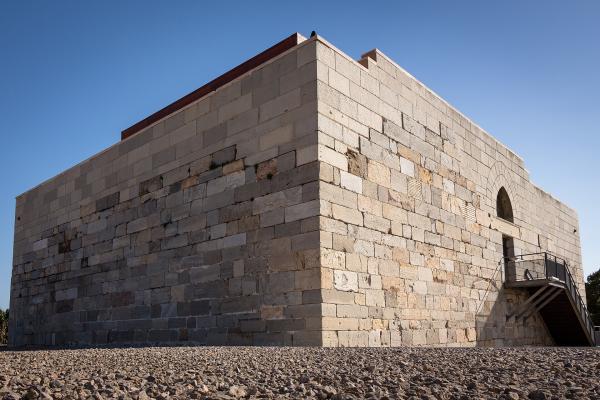
The hill has been fortified for much of the city’s history. According to tradition, a temple of Aesculapius, the Roman god of healing, once stood on the summit, and the site has yielded remains from the Roman and Islamic periods. The castle in its present form dates mainly from the thirteenth century, after the Castilian conquest of the city, and it was built by King Alfonso X, the Wise, as a stronghold for the new kingdom of Castile. In 1272 Alfonso founded the military and naval Order of Saint Mary of Spain, the Order of Santa María de España, in Cartagena to fight the Muslim fleets in the western Mediterranean, but the order was dissolved after military setbacks and the death of its founder. The builders reused stone from older Roman buildings in the walls, which can be seen in places, and the structure was extended during the following centuries, particularly during the sixteenth and seventeenth centuries when Cartagena’s defence was reorganised against attacks from the sea.
The castle was heavily damaged in a series of wars, and for much of the twentieth century it was abandoned, with the walls overgrown. It has since been restored, and the grounds have been laid out as a park with gardens, paths and viewpoints. The remains of the keep stand at the summit, and the ruins of walls and towers show how the fortress was arranged.
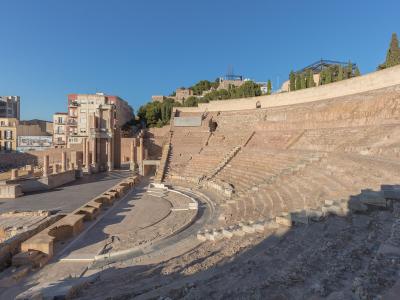
A small interpretation centre explains the history of Cartagena from its foundation through the medieval and modern periods, and the visit can be done independently, with a mobile phone app providing information. A panoramic lift connects the hill with the street below, making the ascent easy, and the walk through the park offers views of the Roman Theatre, which lies at the foot of the hill, and of the port. Entry to the grounds has been free, though some parts may charge, so check locally.
The castle is in the centre of the city, close to the Roman Theatre of Cartagena, and a visit takes about an hour. The late afternoon is the best time, when the light is soft and the heat has eased. Wear comfortable shoes and take water in summer.
Categories
More photos coming soon
Hours & Fees
- Open
- Open daily
- Admission
- Free admission
Hours and prices change, especially out of season. Check with the venue before you go.
Nearby Attractions
Other places to visit in Cartagena
Questions people ask
Quick Facts
Best Time to Visit
May through September offers warm, dry weather ideal for exploring the historic center.