


History and Cultural Heritage
Cartagena’s history is a layered narrative of strategic importance, beginning with its founding by the Carthaginians as a colonial outpost named after their capital in North Africa. This strategic location on the Mediterranean coast made it a prized possession for subsequent empires, most notably the Romans, who transformed it into a major administrative and naval center. The city’s identity has always been inextricably linked to its natural harbor, one of the finest in the western Mediterranean, which facilitated trade and military power for millennia. In the 19th century, a mining boom brought significant wealth to the city, leading to a surge in Art Nouveau architecture that defines much of the historic center today. This industrial prosperity was driven by the extraction of minerals from the surrounding hills, leaving a legacy of both economic growth and environmental scars that add to the city’s unique, rugged character.
Main Attractions
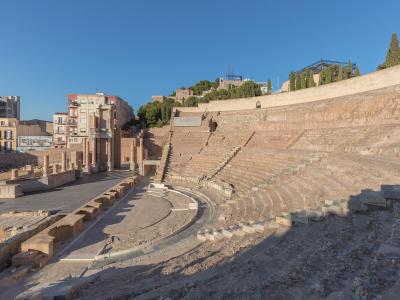
The crown jewel of Cartagena is the Roman Theatre, discovered in 1988 beneath the ruins of the Old Cathedral. This 2,000-year-old structure is one of the best-preserved Roman theaters in the world, offering a vivid glimpse into the city’s ancient past. The adjacent museum houses artifacts found during excavations, including statues and inscriptions. Another key attraction is the ARQUA Marine Archaeology Museum, located in a former warehouse, which showcases remarkable finds from underwater sites in the harbor, highlighting the city’s long maritime history. The historic center is also renowned for its Art Nouveau architecture, largely the work of Víctor Beltrí, a disciple of Gaudí. Notable examples include Casa Maestre in Plaza San Francisco and the Casa Cervantes, which display intricate ironwork and colorful tile mosaics that contrast with the city’s industrial backdrop.
Activities
Visitors to Cartagena can engage in a variety of activities that highlight its cultural and natural beauty. Walking through the narrow medieval streets of the old town offers an intimate look at the city’s architecture and vibrant street life, filled with bars and restaurants. For those interested in history, guided tours of the Roman sites and the mining areas provide context to the city’s evolution. The city also serves as a gateway to the Mar Menor, a large saltwater lagoon nearby, perfect for water sports and relaxation. Additionally, Cartagena hosts several festivals throughout the year, including the International Nautical Week in June and the Mar de Músicas festival in July, offering opportunities to experience local culture and music.
Getting There
Cartagena is accessible by road and rail, with regular connections to major Spanish cities. The A-7 highway provides a direct route from Murcia and other coastal cities, making it easy to reach by car. For those traveling by train, the Renfe network offers services from Madrid and other major hubs, with the journey taking approximately 4-5 hours from the capital. The city is also served by buses, with frequent services from Murcia and Alicante. Once in Cartagena, the historic center is compact and easily explored on foot, while local buses and taxis provide access to outlying areas.
Best Time to Visit
The best time to visit Cartagena is during the spring (April to June) and autumn (September to October) months. During these periods, the weather is mild and pleasant, with comfortable temperatures for exploring the city’s outdoor attractions. The summer months can be hot and crowded, particularly during the festival season, while the winter months are mild but can be rainy. The shoulder seasons offer the best balance of comfortable weather and fewer crowds, allowing for a more relaxed and immersive experience of the city’s historical and cultural sites.
Best time to visit
May through September offers warm, dry weather ideal for exploring the historic center.
What to see in Cartagena
Our picks first.
Cartagena by interest
The same sights, grouped by what you came for.
Did you know?
Checked facts about Cartagena, each with its source.
-
History
Ancient Founding by Hasdrubal
The city traces its recorded origins to 228 BCE, when it was established by the Carthaginian general Hasdrubal the Fair, who founded the settlement known as Qart Hadasht ('New City') to exploit local silver mines.
Source: en.wikipedia.org
Planning a visit to Cartagena
Itineraries that include Cartagena
Good to know
- Currency
- EUR
- Language
- Spanish