







Castillo de San Sebastián
- Where
- Cadiz, Andalusia
- Directions
- Directions
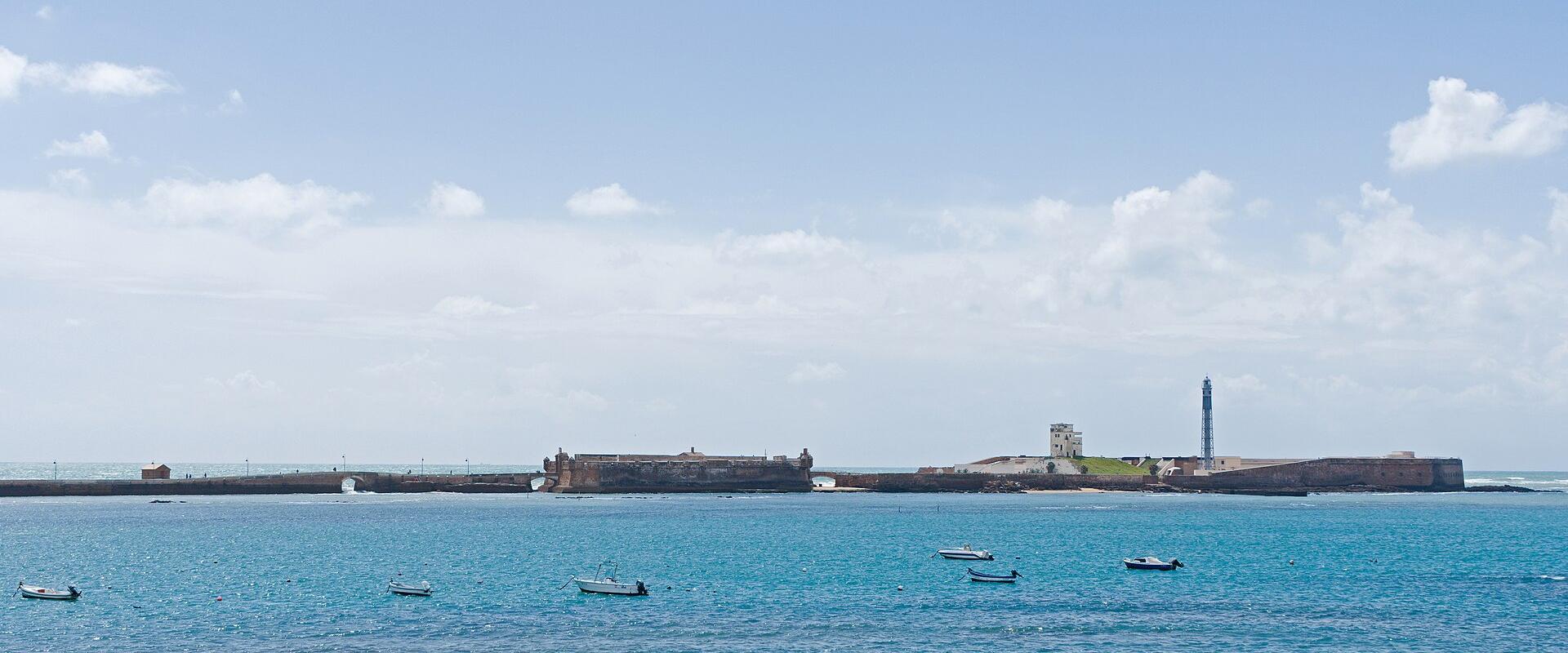
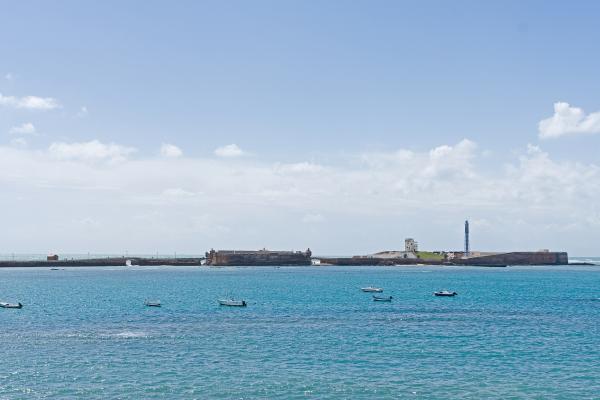
The Castillo de San Sebastián stands on a small rocky islet at the end of the La Caleta beach in Cádiz, joined to the shore by a long causeway, the Paseo Fernando Quiñones, which is named after a Cádiz-born writer. The walk along it is one of the most scenic in the city, with the Atlantic on both sides and the fortress ahead, and it is especially popular at sunset, when the sky turns orange over the bay.
The islet has been fortified in some form since the Middle Ages, and a small hermitage dedicated to Saint Sebastian once stood here, which gave the place its name. The fortress as seen today took shape mainly in the sixteenth and eighteenth centuries, when the Spanish crown strengthened the defences of Cádiz, in Spain, an important port for trade with the Americas and a frequent target of attack. The eighteenth-century works included thick walls and bastions designed to withstand artillery, and they protected the northern flank of the city and the interests of Cádiz’s merchants. A lighthouse was added at the end of the nineteenth or early twentieth century, and it still marks the end of the peninsula. Over time the castle was used as a military installation and, at times, as a place of detention, and its isolated position made it suitable for that.
Visitors should not expect an elaborate museum. The attraction lies in the setting, the walls and the views rather than in the interiors, which have limited access, and opening arrangements vary, so it is worth checking locally before making the walk. The exposed position means there is wind and spray in winter, and in summer there is little shade. The atmosphere is rugged and quiet, a good contrast to the bustle of the beach beside it.
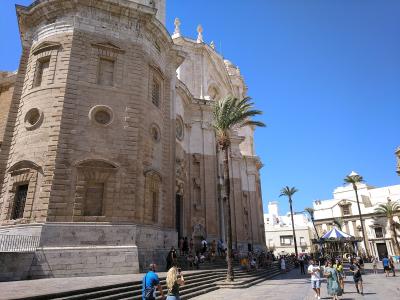
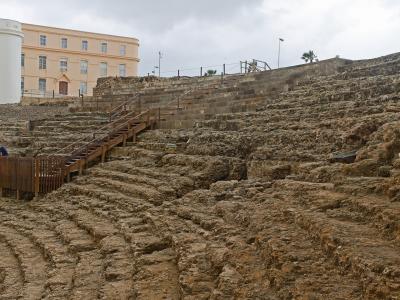
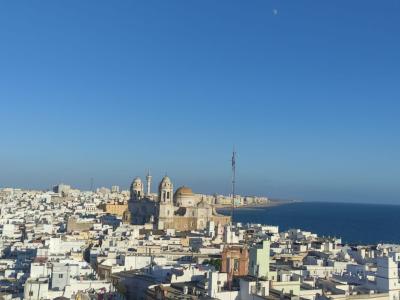
La Caleta, the small beach between the castle of San Sebastián and the Castillo de Santa Catalina, was a Phoenician and Roman harbour area in ancient times, since Cádiz is among the oldest continuously inhabited cities in Western Europe. The beach and its wooden bathing pavilion are popular with local people, and the film Die Another Day used the beach for a scene, which draws some fans. Nearby are the Roman Theatre of Cádiz, the Casa de la Memoria, the Torre Tavira with its camera obscura, and Cadiz Cathedral, all within walking distance.
The castle suits photographers and anyone interested in coastal fortifications. A visit takes about an hour including the walk along the causeway, and the best light is in late afternoon. Wear a windproof layer outside the summer months and take water in the warm season.
Categories
More photos coming soon
Nearby Attractions
Other places to visit in Cadiz
Questions people ask
Quick Facts
Best Time to Visit
May through September offers warm, dry weather ideal for coastal activities.