







- Where
- Gijon, Asturias
- Directions
- Directions
Cimavilla, also written Cimadevilla, is the old fishermen’s quarter of Gijón, in Asturias, Spain, a compact district on a peninsula that juts into the Cantabrian Sea, and it is where the city began. The Romans founded a settlement called Gigia here, on the headland of Santa Catalina, and the name survives in the modern Gijón. Remains of Roman baths, the Termas Romanas de Campo Valdés (the Roman Baths of Campo Valdes), can be seen and visited, a small museum that preserves the foundations of a bathhouse with a hot and cold area, and the finds are a reminder of the town’s ancient past. The district sits above the harbour, with the fishing port on one side and the beach of San Lorenzo on the other, and it was for centuries the centre of the town’s life at sea.
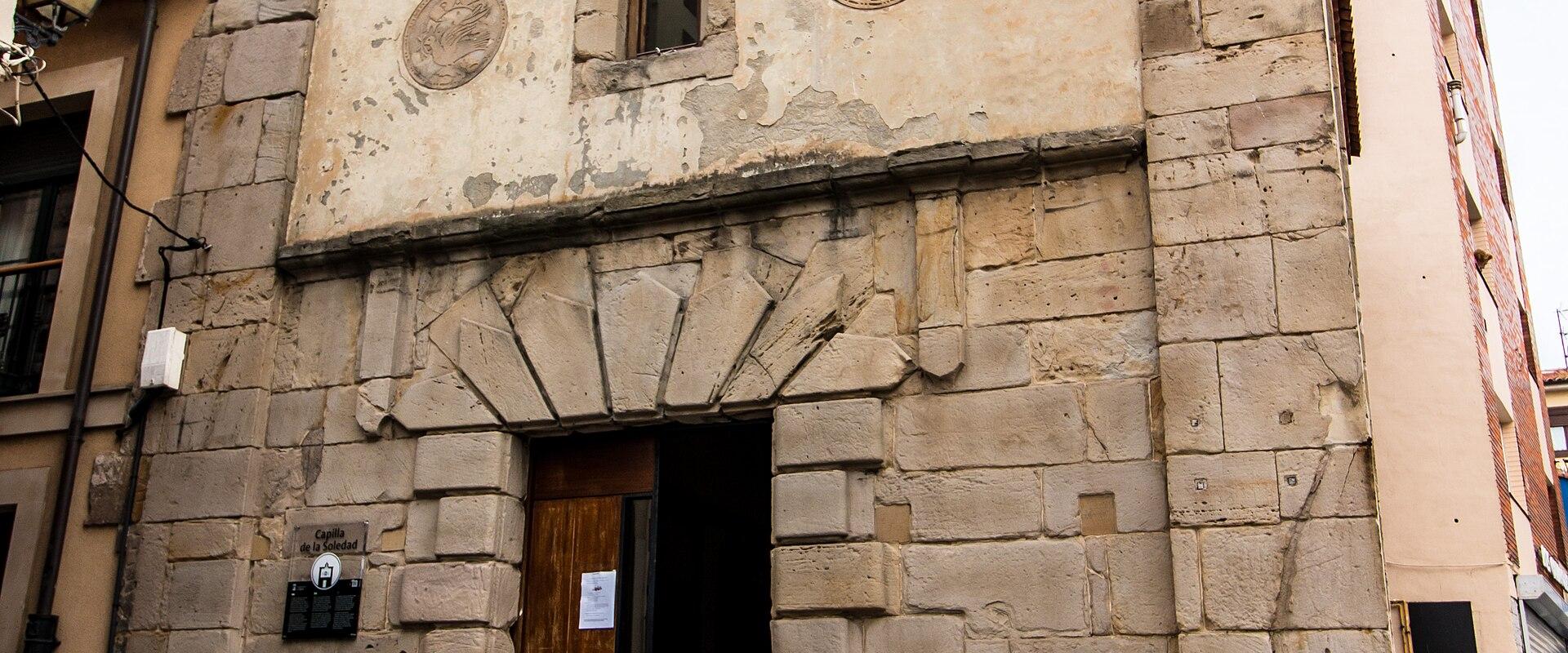
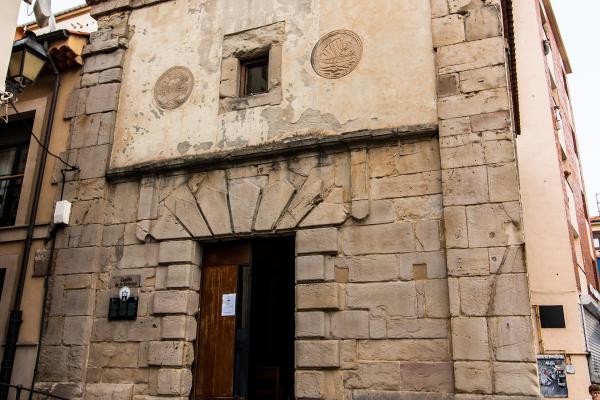
The layout is a network of narrow, winding lanes and small squares, and the buildings are mostly low, painted in a mixture of colours, with balconies and old stone doorways. It has the feel of a village within the city. The Plaza del Lavaderu, the square of the old washing place, is the best-known corner, and it takes its name from the lavadero where women washed clothes. It is a lively meeting point, with bars and cider houses around it, and the local people gather here, particularly in the evenings and during festivals. Gijón’s cider culture is strong, and many of the bars in the quarter serve natural Asturian cider, poured from a height into the glass to aerate it, in a ritual known as escanciar.
Several buildings stand out. The Palacio de Revillagigedo, a seventeenth- and eighteenth-century palace on the edge of the district, is a handsome building, now a cultural and exhibition space, and it faces the harbour and the Plaza Mayor. At the top of the peninsula, on the hill of Santa Catalina, stands one of the city’s landmarks, Elogio del Horizonte, the Praise of the Horizon, a massive concrete sculpture by Eduardo Chillida, installed in 1990, which looks out to sea and has become a symbol of Gijón. The area around it is a park with views along the coast, and it is a popular place to watch the sunset.
Cimavilla has its traditions. In late June, the festival of San Pedro, the patron saint of fishermen, brings bonfires, music, processions and boat events, and the quarter is crowded. Other local customs celebrate the sea and its history, and the district still has a strong community. Guided tours are often available, starting near the large letters spelling the name of the city on the seafront, and covering the Roman baths, the Revillagigedo Palace and other sights.
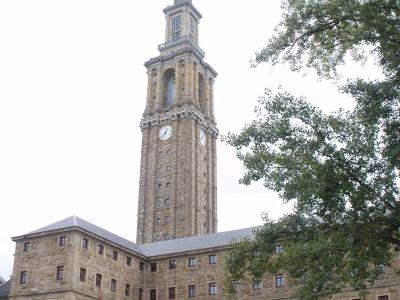
The quarter is easily reached on foot from the centre of Gijón, and the streets are free to explore at any time. A visit takes about two hours, and it combines naturally with the beach and the port. Gijón is about thirty minutes from Oviedo and Avilés by road. The Laboral City of Culture, a huge former school, lies a few kilometres to the south.
Categories
More photos coming soon
Nearby Attractions
Other places to visit in Gijon
Questions people ask
Quick Facts
Best Time to Visit
July through September offers the warmest, driest weather ideal for coastal activities.