







- Where
- Ibiza, Balearic Islands
- Directions
- Directions
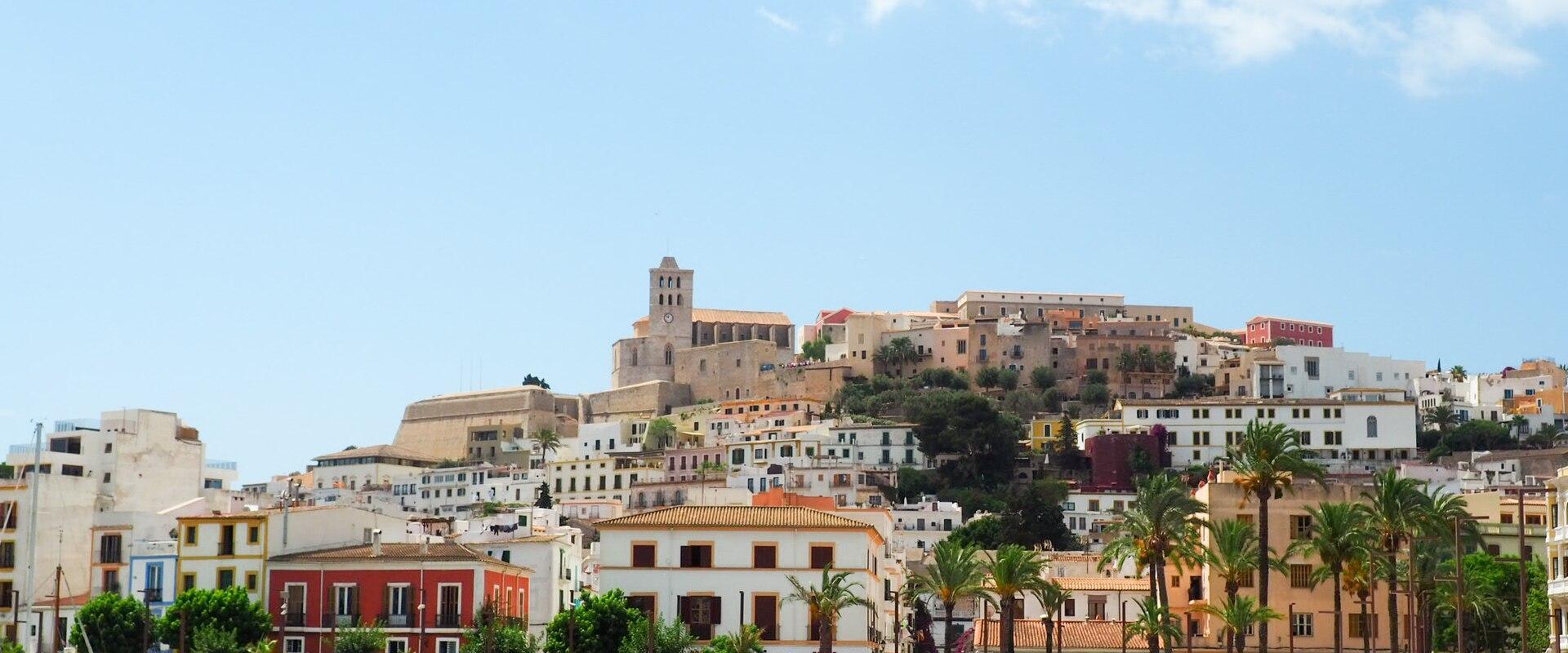
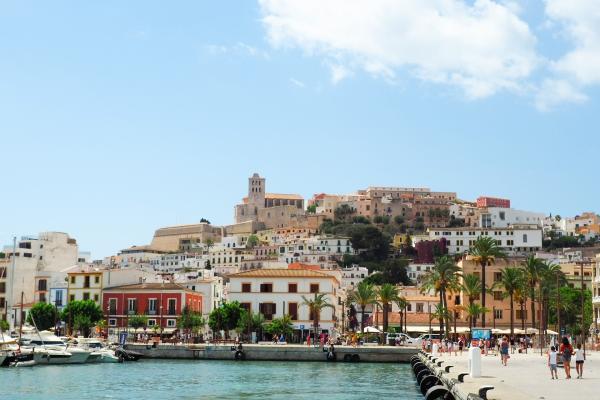
Dalt Vila is the old fortified town of Ibiza, rising on a hill above the harbour, and it is the historic centre of the island’s capital, Eivissa. Its walls, towers and whitewashed houses make a skyline that is visible from far out at sea, and the area was inscribed on the UNESCO World Heritage List in 1999, as part of a listing for Ibiza that recognises both its cultural and its natural importance. The name means upper town in Catalan, in contrast to the lower districts of Sa Marina and Sa Penya, which developed beside the port.
The site has been occupied for a very long time. Phoenician colonists from the Mediterranean, the Phoenicians, founded a settlement on this hill, according to tradition, in 654 BC, and the island later passed through the hands of the Carthaginians, the Romans, the Moors and the Catalans. Each left a trace, and the hill still carries layers of buildings from different periods. The most visible remains are the defences. In the sixteenth century, King Philip II ordered the construction of a new circuit of walls to protect the island from attack by Ottoman fleets and by pirates, and Italian military engineers designed a system of walls with seven bastions shaped like a heptagon, in the latest Renaissance style. The walls, thick and high, survive almost entirely, and they form a walkable circuit with views over the harbour and the sea.
The usual entrance is the Portal de ses Taules, the main gate, which carries the coat of arms of Philip II, and beyond it a drawbridge and a gate lead into a network of steep, narrow, cobbled streets between whitewashed buildings. Streets climb to the Plaza de Vila and, at the top, to the Cathedral of Santa María de las Nieves, a Catalan Gothic church with a plain, strong tower, which sits beside the castle, the Castell d’Eivissa, and the former military buildings. A small museum in the area covers the history of the town, and there are art galleries, craft shops and restaurants in old houses. The Parador hotel and a lift help people to reach the upper town without climbing the steepest streets.
Dalt Vila can be explored at any time, and the streets are open day and night, though the individual sights, such as the cathedral and museums, keep their own hours and charge small admission fees. The best way to enjoy it is to walk without a fixed plan, climbing up through the lanes and then along the ramparts, where the views are widest, and then to stop for a drink or a meal. In the evening, the old town is lit and lively, with restaurants and bars, and the contrast with the island’s beach and club scene is surprising.
The hill is steep and the paving is uneven, so wear comfortable shoes, and note that parts are difficult for people with reduced mobility. Midday in summer is very hot, and early morning or evening is more comfortable. Allow a half day at least.
More photos coming soon
Nearby Attractions
Other places to visit in Ibiza
Es Vedrà
Coastal Views · Geological Sites
Cala d'Hort
Blue Flag beach with views of Es Vedrà
Free Coastal & Beaches · Nature & Outdoors
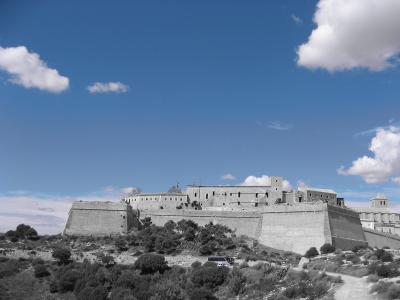
Castell d'Eivissa
Medieval fortress atop Ibiza's UNESCO Old Town
Architectural Heritage · Castles
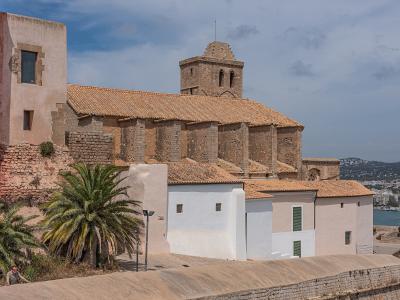
Catedral d'Eivissa
Gothic cathedral in Ibiza's historic Dalt Vila
Cathedrals · Historic Districts
Questions people ask
Quick Facts
Best Time to Visit
May through October offers warm, dry weather ideal for beach activities.