







Formentera Salt Flats (Salinas)
- Where
- Formentera, Balearic Islands
- Directions
- Directions
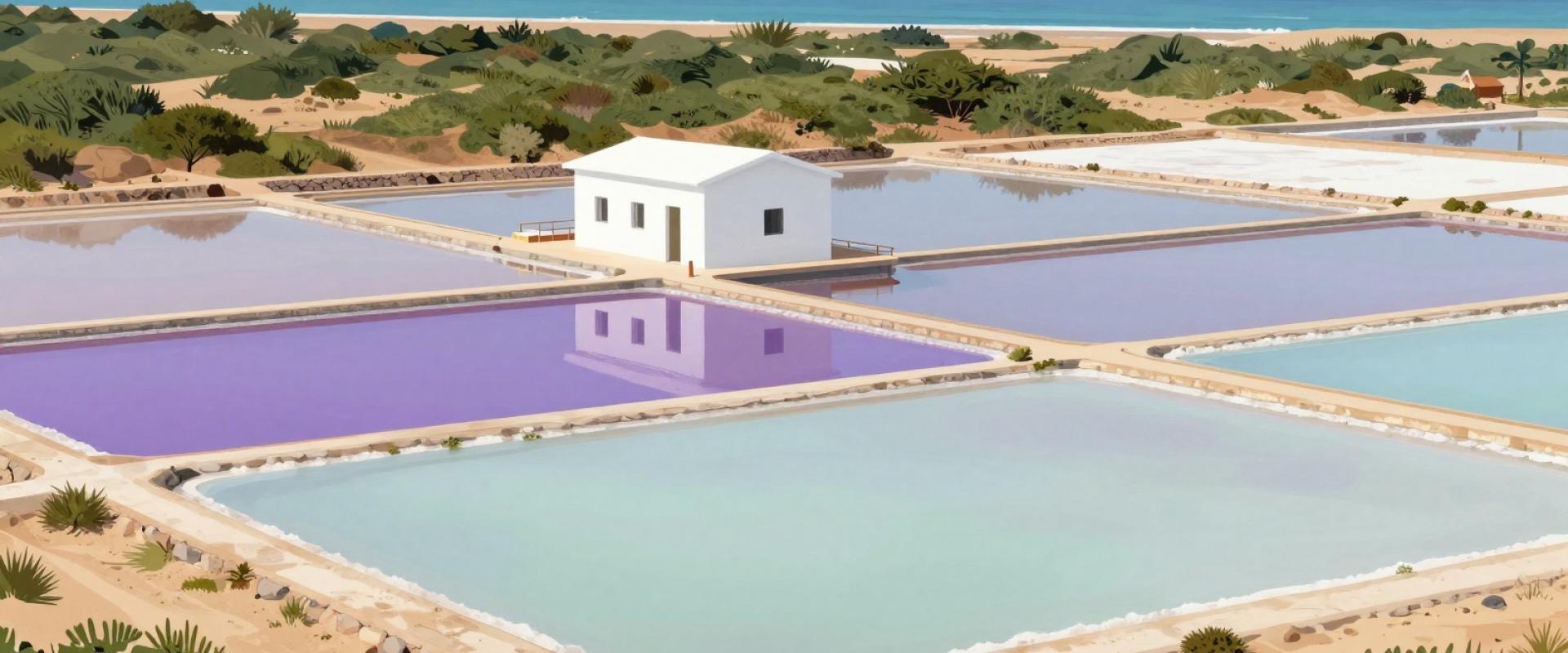
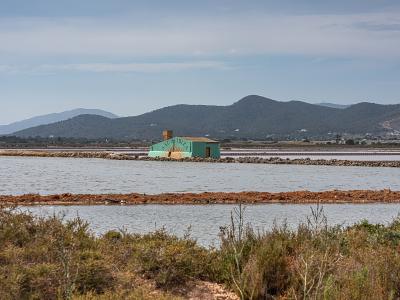
The salt flats of Formentera form part of the Ses Salines natural park, a protected area that covers salt works and wetlands in the north of Formentera and the south of Ibiza. They are among the most characteristic landscapes of the island, a flat mosaic of shallow ponds, low white mounds and reedy edges, with the sea close by. Salt was produced here for centuries by letting seawater flow into basins and evaporate in the sun, and the work shaped the economy and the layout of the island. The salt pans were also a source of work for local families.
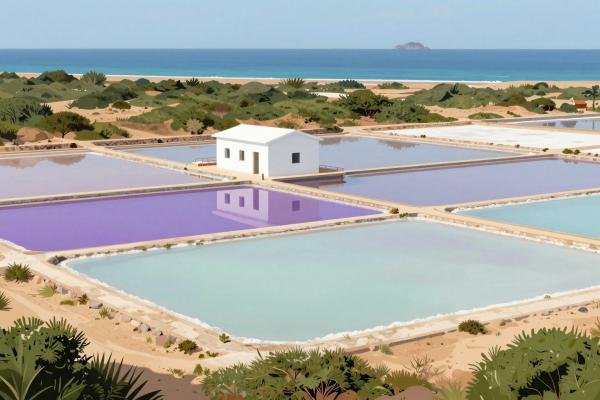
The colours change with the seasons and the light. In summer the water in some ponds takes on pink and violet shades, caused by tiny algae and bacteria that thrive in salty conditions, and the salt itself forms white crusts along the edges. Heaps of salt gathered for collection stand at the sides of the pans. In spring and autumn, the ponds fill with water and become mirrors for the sky. The park is protected for its birds and its natural value, and UNESCO has recognised the Ibiza and Formentera region for its biodiversity and culture, including the underwater seagrass meadows of Posidonia that grow off the coast.
The lagoons attract many birds. Flamingos are the most visible, often seen wading in the shallow water or flying in a line, and other species include black-winged stilts, avocets and various herons and waders. Migrating birds stop here in spring and autumn, which makes the area a favourite for birdwatchers. The lagoons known as Estany Pudent and Estany des Peix are among the main water bodies, and paths along their edges allow you to walk quietly and observe.
Salt production ended on a large scale in the late twentieth century, but traces of the industry remain, including old buildings, tracks and loading points, and some small-scale production has been revived. Information boards explain how the system worked.
The flat terrain makes the area ideal for cycling and walking, and the paths connect to the road to the beaches of the north. Bring a hat, water and binoculars, and respect the rules for staying on marked routes, as the area is fragile. Sunset gives especially beautiful light on the water. It suits birdwatchers, photographers, cyclists and those curious about the island's history.
Categories
More photos coming soon
Nearby Attractions
Other places to visit in Formentera
Questions people ask
Quick Facts
Best Time to Visit
May through September offers warm, sunny weather ideal for beach activities.