







Monastery of San Benito el Real
- Where
- Valladolid, Castile and León
- Directions
- Directions
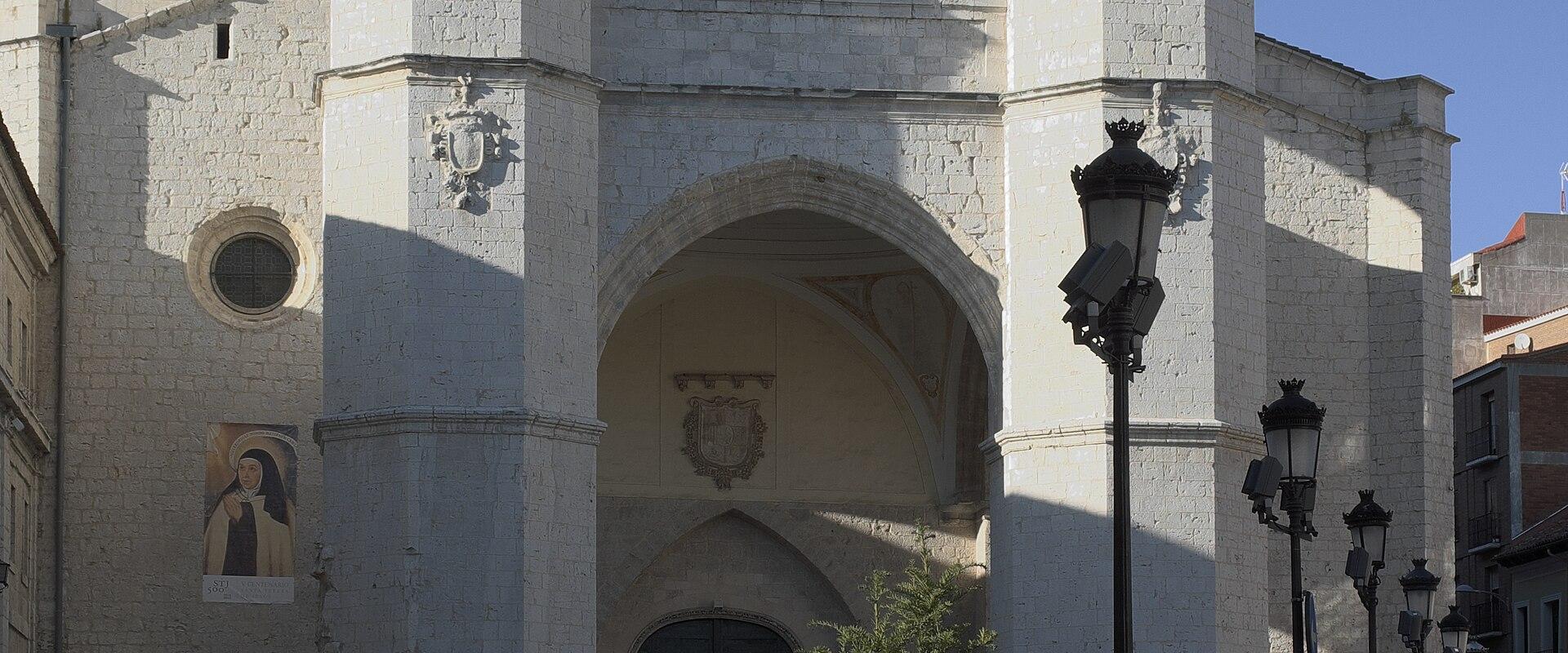
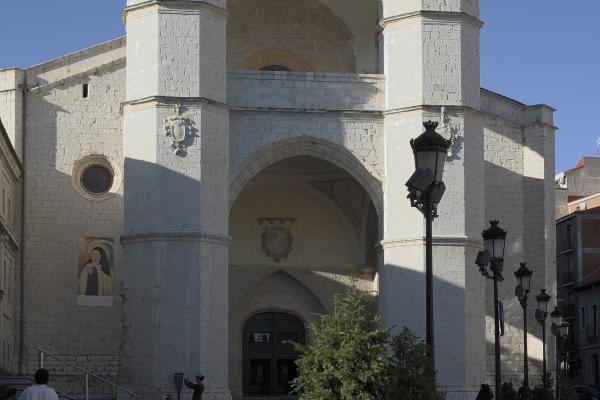
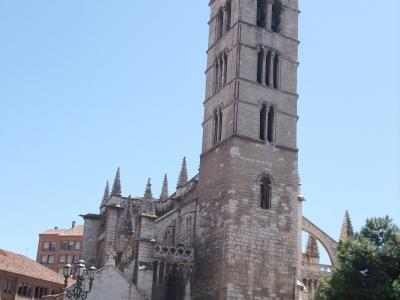
The Monastery of San Benito el Real is one of the great buildings of Valladolid, whose Church of San Benito el Real is among Valladolid’s finest Gothic churches, a Benedictine foundation whose church is among the largest and finest Gothic churches in the city. The monastery was founded in 1390 by King John I of Castile, and for a long time it was the centre of a reforming movement in the Benedictine order in Spain, with a role in the religious and intellectual life of the kingdom. The present church was built in the late Gothic style between about 1499 and 1515, in local limestone, under the direction of architects including Juan de Arandia and García de Olave. It occupies a position close to the old centre, on Calle de San Benito.
The church is notable for its scale and for its plan. The interior has three naves of equal height, a type known as a hall church, supported by sturdy piers and buttresses, and the roof is covered with elaborate star-shaped ribbed vaults of carved stone, with patterns of ribs that spread like branches. At the east end a triple polygonal apse provides the sanctuary, and the church has no transept. The result is a broad, airy interior that feels spacious and light, quite different from the long, narrow naves of earlier Gothic churches. The exterior is plain and powerful, with massive buttresses and large stone surfaces. Some earlier accounts suggest that the monastery was built on the site of earlier royal buildings, and tradition links the area to the medieval palaces of the Castilian kings, but the details are uncertain.
A portico or porch was added to the front of the church in the second half of the sixteenth century, and it is attributed to the architect Gil de Hontañón, a member of a family of master builders who worked on cathedrals across Spain. The porch gives the church a classical entrance that contrasts with the Gothic structure behind. In its later history, the monastery lost its monks in the nineteenth century, and the buildings were used for other purposes, among them as a military barracks, before being restored.
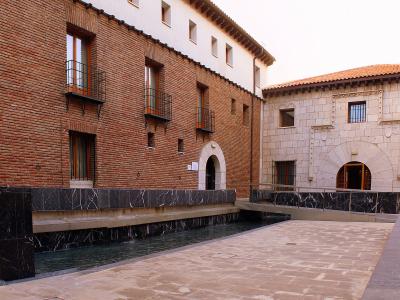
Adjacent to the church, the main cloister is now home to the Patio Herreriano Museum, the Museo Patio Herreriano, the museum of contemporary Spanish art, which opened in 2002. The cloister is named after the severe, classical style associated with Juan de Herrera, the architect of the Escorial, and it forms a calm, elegant setting for the museum’s collection of art from the twentieth century onwards. A visit can combine the Gothic church with the galleries, giving a contrast between the medieval building and modern works.
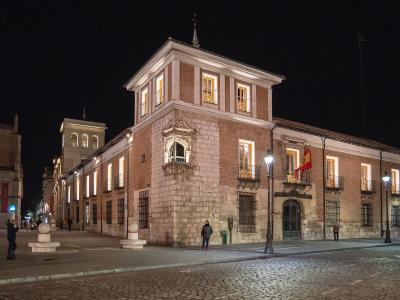
The church and museum have separate opening arrangements, and the church may be open only at certain times, so check locally. The site is a short walk from the Plaza Mayor and the other main sights of the city, such as the Casa de Colón and the Palacio de Pimentel. A visit takes an hour or more, longer if you take in the museum.
Categories
More photos coming soon
Nearby Attractions
Other places to visit in Valladolid

Questions people ask
Quick Facts
Best Time to Visit
May through September offers warm, dry weather ideal for exploring the historic center.