







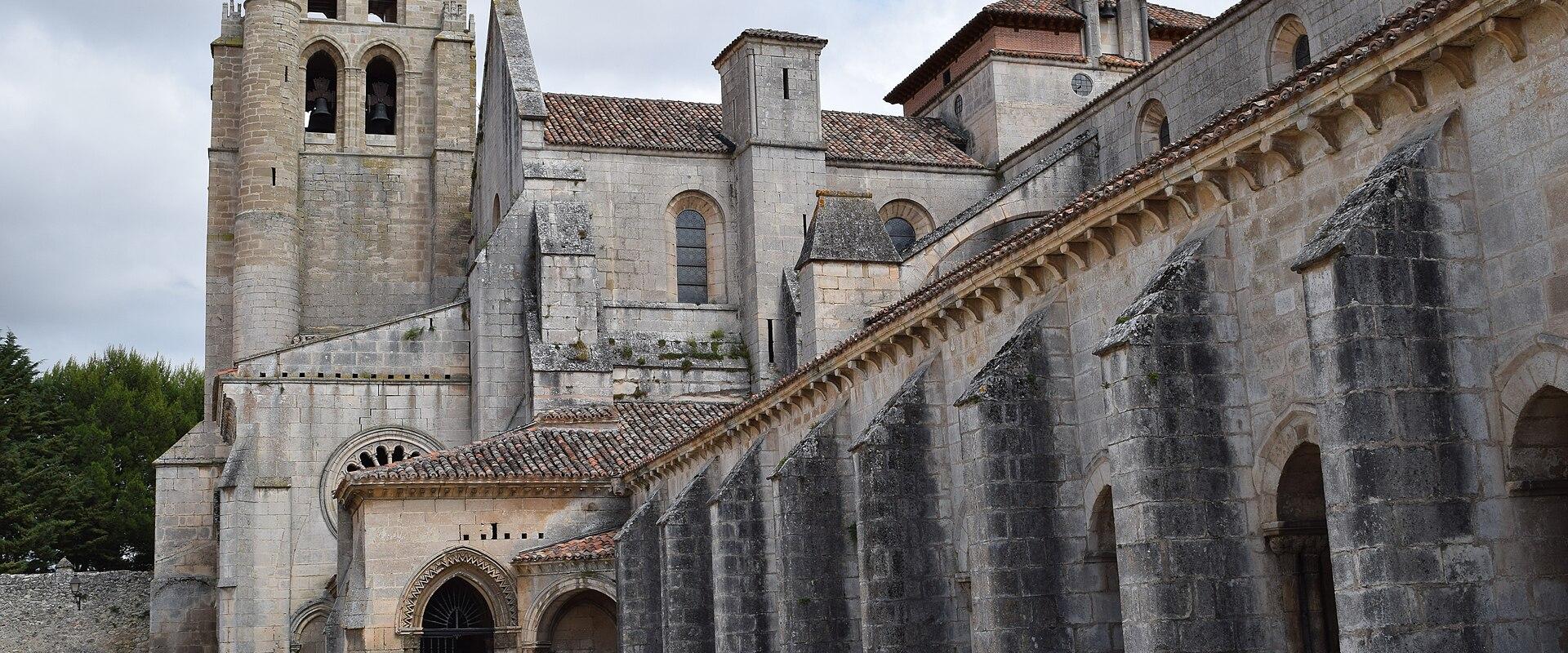
Monastery of Santa María la Real de Las Huelgas
- Admission
- No specific admission fees provided in the source.
- Where
- Burgos, Castile and León
- Directions
- Directions
The Monastery of Santa María la Real de Las Huelgas, on the western edge of Burgos, is one of the most important monasteries in Spain and, for centuries, the most powerful convent of nuns in the Castilian kingdom. It was founded in 1187 by King Alfonso VIII of Castile and his wife, Eleanor of England, a daughter of Henry II of England, and it was handed over to a community of Cistercian nuns, drawn from noble families. The name Las Huelgas is said to come from the word for leisure or rest, since the site was originally a royal retreat. Its first abbess received extraordinary privileges, and over time the monastery acquired lands, villages and jurisdiction over a huge area, with abbesses who answered only to the pope and the Cistercian order.
The site also served as the royal pantheon of Castile. Alfonso VIII, who won the great victory over the Almohads at Las Navas de Tolosa in 1212, and Queen Eleanor are buried in the church, in monumental tombs, and so are their children, among them Henry I of Castile and Queen Berenguela, the mother of Ferdinand III the Saint, and later royal and noble figures. The tombs in the nuns' choir and in the transept show the development of funeral sculpture from the thirteenth to the fourteenth century, and the monastery is a rare example of a royal burial place that has stayed largely intact.
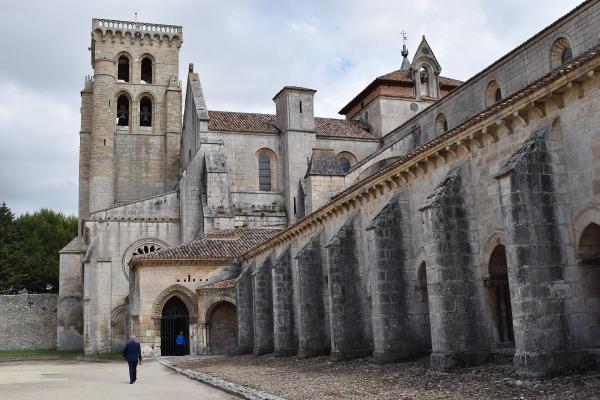
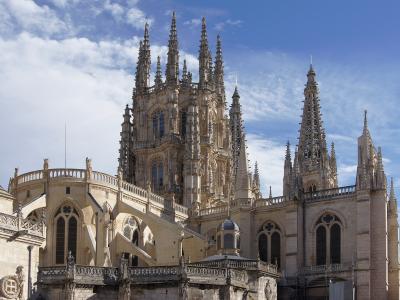
The buildings combine Romanesque and Gothic architecture of the Cistercian type, plain and elegant, with later additions. The church is a Gothic structure with a wide nave and a high roof, and the cloisters hold carved capitals, among them the Romanesque cloister of San Fernando with delicate arches. A highlight is the Chapel of Santiago, decorated in Mudéjar plasterwork, which reflects the contacts between Muslim and Christian craftsmen. Here stands an articulated wooden statue of Saint James, with a movable arm, which was used in the ceremonies in which kings were knighted.
The monastery also houses the Museum of Medieval Fabrics, which displays clothing and textiles found in the royal tombs, including the garments of kings and princes. These are among the finest surviving medieval textiles in Europe, and they provide a view of dress, embroidery and weaving in the thirteenth century. Visits are by guided tour, organised by the national heritage body, which manages the site, and groups go round at set times.
It suits history and art lovers, and it combines with Burgos Cathedral, the Iglesia de San Pelayo and the Museo de la Evolución Humana. The monastery is a short bus ride or a pleasant walk along the river from the city centre. Check the schedule of tours in advance, as places can be limited.
Categories
More photos coming soon
Admission Fees
- Admission
- No specific admission fees provided in the source.
Hours and prices change, especially out of season. Check with the venue before you go.
Nearby Attractions
Other places to visit in Burgos
Questions people ask
Quick Facts
No specific admission fees provided in the source.
Best Time to Visit
May through September offers warm, dry weather ideal for exploring the city.