







Museo de la Evolución Humana (MEH)
- Where
- Burgos, Castile and León
- Directions
- Directions
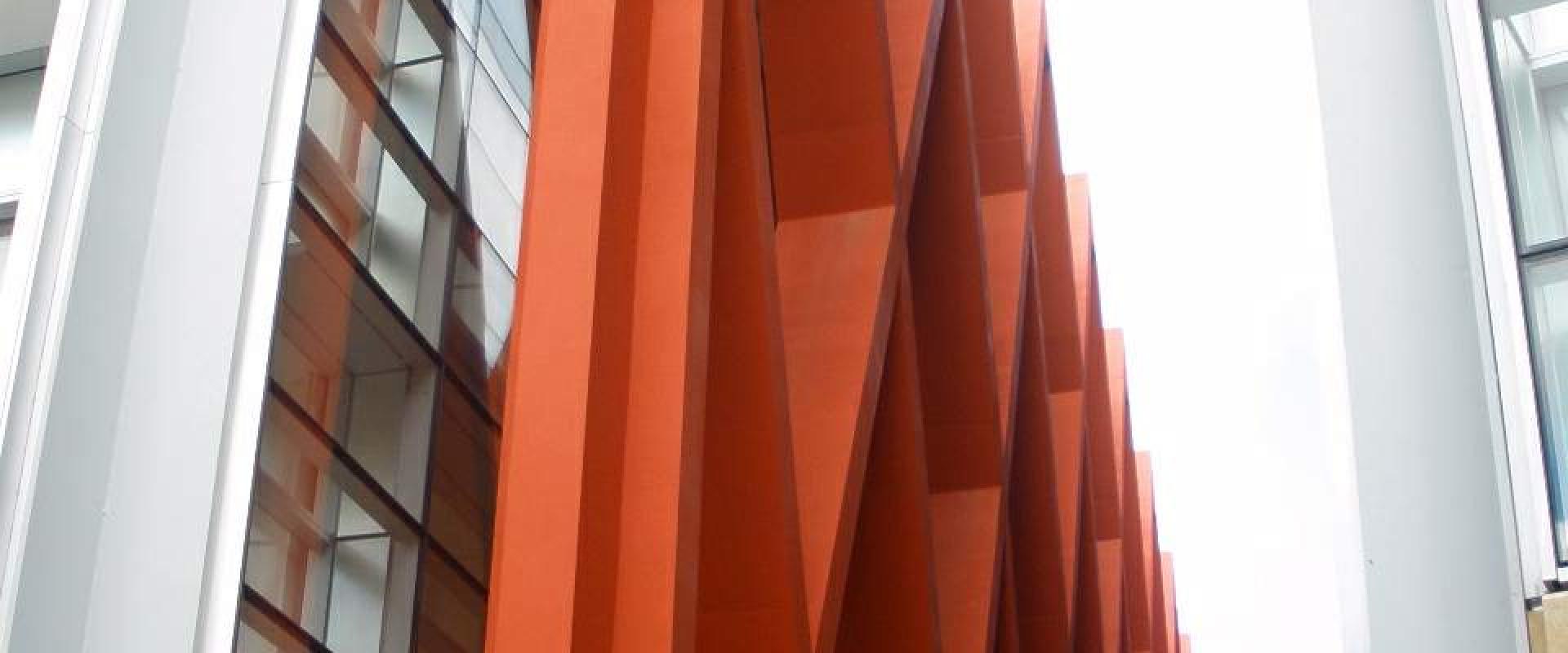
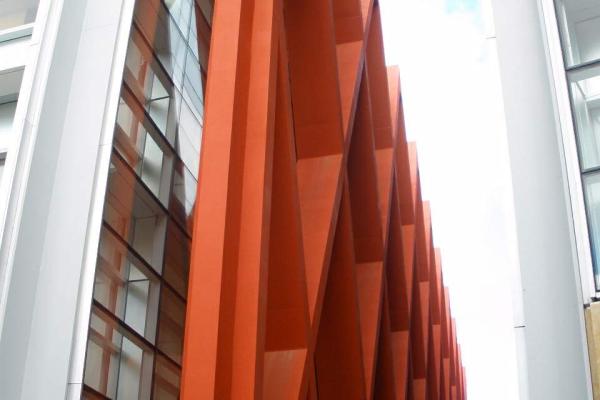
The Museo de la Evolución Humana in Burgos tells the story of human origins through one of the most important prehistoric regions in Europe. It stands on the bank of the Arlanzón river, in a building by the architect Juan Navarro Baldeweg that opened in 2010. Glass and warm-toned panels give the exterior a contemporary look, and a large atrium lets light fall deep into the interior. The museum belongs to the regional government of Castilla y León and works closely with the research teams that dig at the nearby Sierra de Atapuerca, which UNESCO recognised as a World Heritage Site.
Atapuerca is the museum's anchor. Over decades of excavation, the caves and trenches in the hills east of Burgos have produced fossil humans of several kinds, among them remains attributed to Homo antecessor from the Gran Dolina site, which are very old by European standards, and the large collection from Sima de los Huesos, the Pit of Bones. Replicas and original material are displayed in a route that follows the long timeline of human evolution, from early ancestors in Africa to the first people in Europe and onward to modern humans.
Some of the specimens have become icons of Spanish science. The skull nicknamed Miguelón, found at the Sima de los Huesos, and the well-preserved pelvis nicknamed Elvis are two that visitors look for. Beyond fossils, the displays use reconstructions of faces and bodies, dioramas of ancient life, and information about tools, fire, hunting and the origins of language and symbolic thought.
The museum is not only about bones. There is a section that places evolution in a broad scientific frame, with activities for children and school groups, and it is a good way to prepare for, or substitute for, a trip to the excavations themselves. The Atapuerca sites and the CAREX experimental archaeology centre are separate visits with their own arrangements, usually booked ahead, and the museum staff can explain how they fit together.
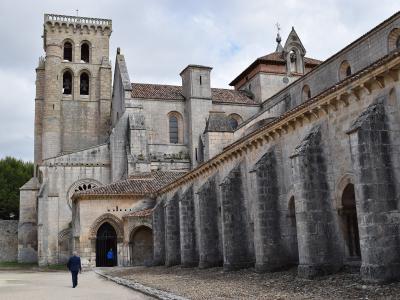
It suits families, school groups, and anyone with an interest in anthropology or archaeology. Plan on about two hours, and note that the museum has a separate rhythm from the rest of Burgos, which is mostly about medieval stone and religious history. If you have already visited Burgos Cathedral and the Monastery of Santa María la Real de Las Huelgas, this makes a fascinating change of subject, and the riverside walk nearby is pleasant afterward.
More photos coming soon
Questions people ask
Quick Facts
Best Time to Visit
May through September offers warm, dry weather ideal for exploring the city.