







Museo de Arqueología y Historia
- Where
- Vitoria, Basque Country
- Directions
- Directions
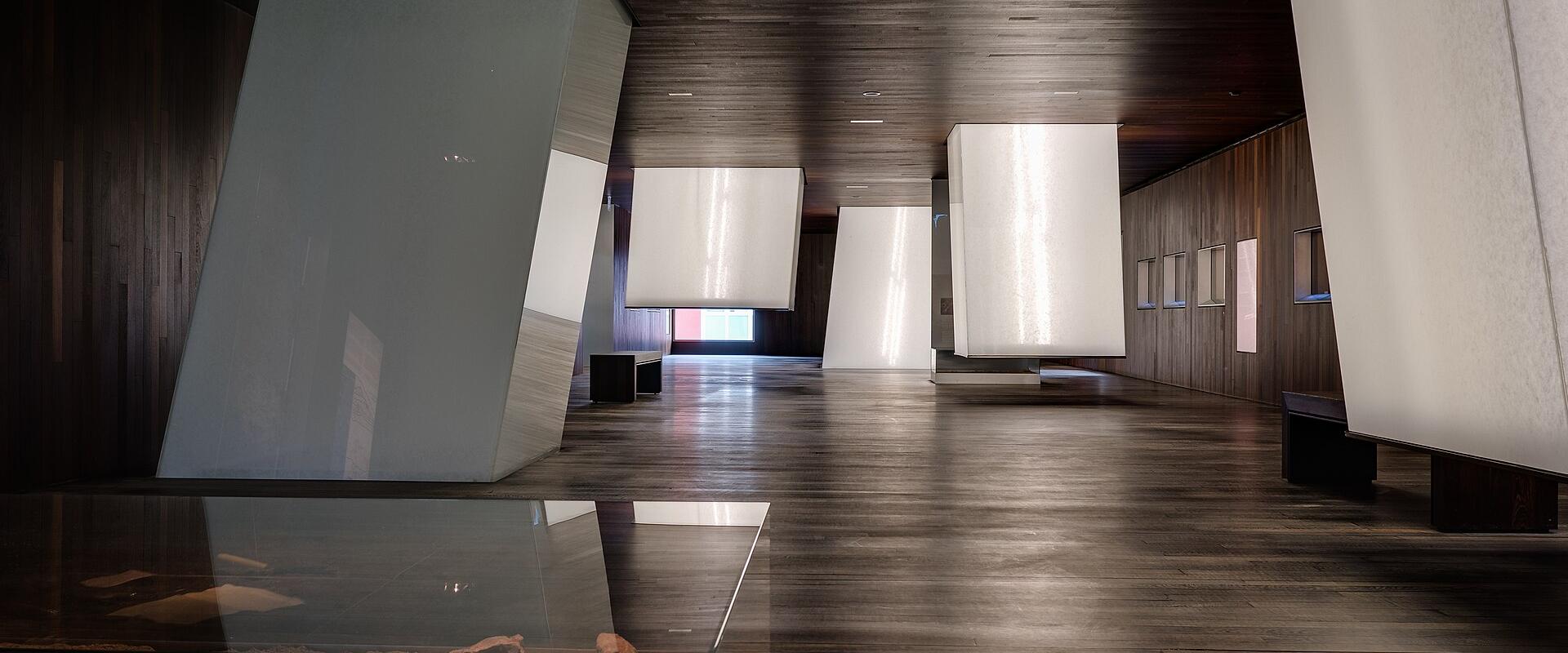
The archaeology museum of Álava, the Museo de Arqueología de Álava, is known by the acronym BIBAT and stands in the old quarter of Vitoria-Gasteiz, in the Basque Country. It shares a complex with the Museo Fournier de Naipes, the playing-card museum, which occupies the sixteenth-century Palacio de Bendaña, an elegant Renaissance town house with a fine courtyard. The archaeology collection is housed in a modern building attached to the palace, and the two together form BIBAT, so a single visit can combine prehistory with a very different kind of history, that of the card-making firm Fournier, founded in Vitoria in the nineteenth century. The new building, with its L-shaped plan, was designed to fit the scale of the historic streets around it, and a courtyard links the old and the new parts.
The museum’s purpose is to tell the story of the territory of Álava, the province of which Vitoria is the capital, from the earliest human presence to the Middle Ages. The permanent exhibition fills three floors and holds roughly fifteen hundred pieces, arranged chronologically so that visitors move upwards through time. The earliest galleries cover the Palaeolithic, with stone tools and the remains of hunter-gatherer communities that lived in the caves and river valleys of the region. Later rooms trace the Neolithic farmers, the people of the Bronze Age, and the Iron Age, when hilltop settlements and burial customs developed, and objects such as pottery, ornaments and weapons illustrate daily life.
The Roman period is one of the strongest sections. Roman roads crossed Álava, and the most important town was Iruña-Veleia, a few kilometres west of Vitoria, which has produced mosaics, inscriptions, coins and everyday objects. The medieval galleries show how the region developed after the fall of Rome, with finds from early Christian cemeteries and churches, and the foundation of Gasteiz as a fortified town on its hill in the twelfth century. A special exhibition of funerary steles, carved stone grave markers, stands in the garden, where the stones can be seen in the open air.
The museum is designed for self-guided visits, with explanatory panels that place the objects in context, and guided tours can be arranged in advance. Because it is not very large, the visit takes around an hour, and it is a good way to understand the long history of the area that is not apparent from the city’s later monuments.
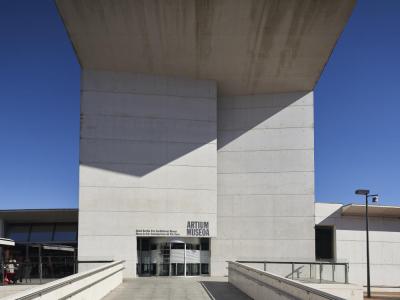
The museum lies in the casco viejo, a short walk from the Santa Maria Cathedral and the Plaza de la Virgen Blanca. Artium, the contemporary art museum, and the green belt that rings the city are further stops on a day in Vitoria. Check the current opening times and ticket details on the official site.
Categories
More photos coming soon
Nearby Attractions
Other places to visit in Vitoria
Questions people ask
Quick Facts
Best Time to Visit
June through September offers warm, dry weather ideal for exploring the city.