







Vitoria-Gasteiz Green Belt
- Where
- Vitoria, Basque Country
- Directions
- Directions
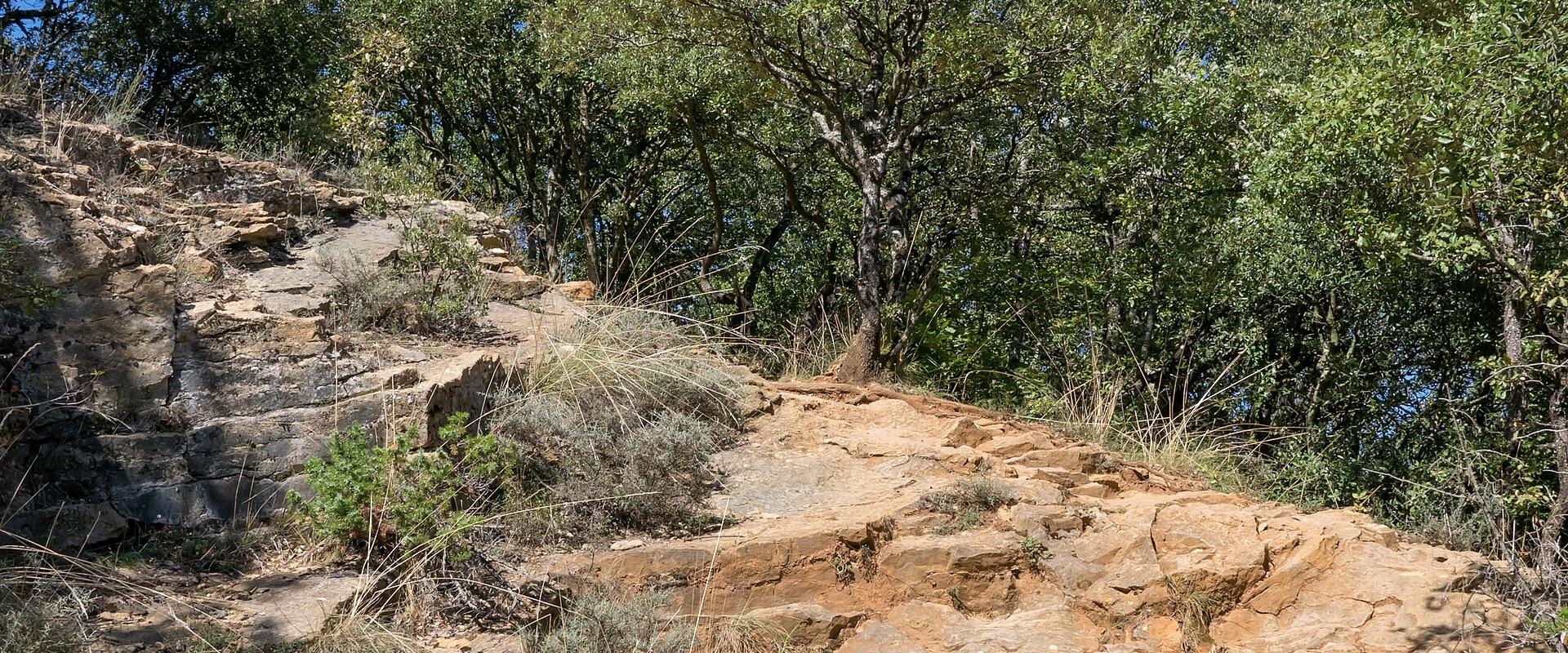
The Green Belt of Vitoria-Gasteiz is a ring of protected natural parks around the Basque capital, connected by paths and cycle routes, and it is the main reason the city is regarded as a model of urban sustainability. Vitoria-Gasteiz was named European Green Capital in 2012, and the Green Belt was a central part of that achievement. The idea took shape in the early 1990s, when the council decided to turn the degraded land at the edge of the city, which had suffered from quarrying, rubbish dumps and erosion, into a connected network of green spaces. Over the following years, forests were planted, wetlands restored and paths laid out, and the ring gradually closed.
Five main parks make up the belt: Armentia, Olarizu, Salburua, Zabalgana and Zadorra. Each has a distinct character. Armentia, to the south, is a wooded hill with oak and beech and a Romanesque basilica, the Basilica of San Prudencio, among the trees. Olarizu is a hillside park with grassland and woods, and it includes a botanical garden and viewpoints over the city. Salburua, to the east, is the most important for nature: a group of wetlands protected under international designations, where birds, deer and amphibians live, and an interpretation centre explains the ecology. Zabalgana, in the west, combines woods and meadows, and Zadorra follows the river of the same name through the north of the city.
The parks are linked by a network of marked routes that suit walking and cycling, and many are flat or gently sloping, so they can be enjoyed by families and casual visitors. Eight designated itineraries guide you between the parks, and maps are available from the tourist office and online. It is possible to start in the city centre and reach the edge of the countryside within half an hour on foot. Salburua is especially popular for birdwatching, with hides and boardwalks that allow close but unobtrusive views of the wetland.
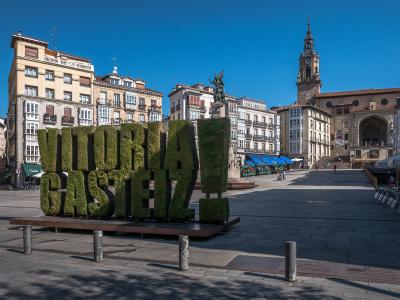
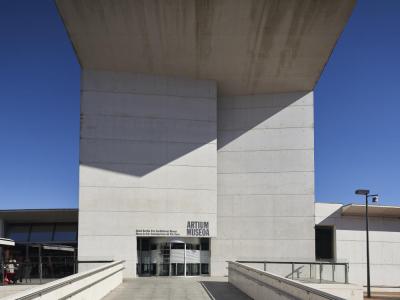
The belt complements the compact historic centre of Vitoria-Gasteiz, whose medieval layout is called the almond because of its shape, and the cathedral of Santa Maria, the Artium Centre and the Museo de Arqueología y Historia are inside the ring. The Plaza de la Virgen Blanca, at the foot of the old town, is a short walk from the start of the routes.
It suits walkers, cyclists, birdwatchers and families, and offers a way of seeing the city from its edges. Spring and autumn are the best seasons, and the routes are free and open all year.
Categories
More photos coming soon
Nearby Attractions
Other places to visit in Vitoria
Questions people ask
Quick Facts
Best Time to Visit
June through September offers warm, dry weather ideal for exploring the city.