
History
The history of Vitoria-Gasteiz is a testament to resilience and strategic importance in northern Spain. Founded in 1181, though with roots dating back to Roman times and the Visigothic kingdom, the city was originally named Victoriacum after a Visigothic king’s victory over the Vascones. This ancient heritage is evident in the city’s layout and architecture, which have evolved over eight centuries. The city served as a crucial defensive outpost and later became the capital of the Kingdom of Navarre before becoming the capital of the Basque Autonomous Community. The medieval period left an indelible mark, with the construction of the Gothic Cathedral and the development of the historic quarter, known as the "Medieval Almond." This area, with its narrow streets named after medieval guilds, reflects the city’s prosperous past as a center of trade and craftsmanship. The blend of Roman, Visigothic, and medieval influences creates a rich historical tapestry that defines the city’s unique identity.
Main Attractions
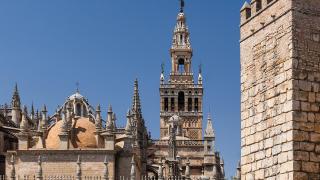
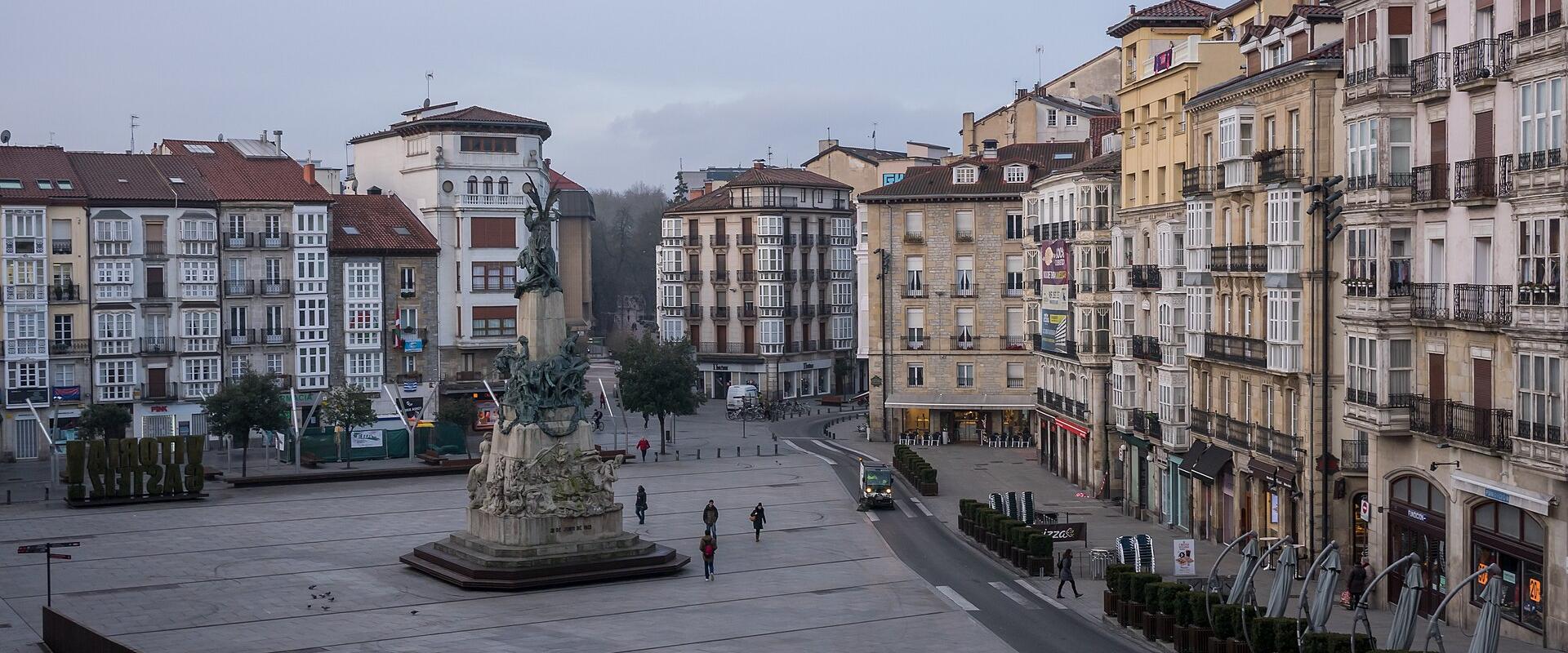
The primary attraction in Vitoria-Gasteiz is the Santa María Cathedral, a World Heritage Site that stands as a masterpiece of Gothic architecture. Its intricate stonework and restored naves offer a profound glimpse into the city’s religious and artistic heritage. The cathedral’s tower provides panoramic views of the city and surrounding landscape. Another key site is the Historic Old Town, or Casco Viejo, characterized by its almond-shaped street layout and well-preserved medieval buildings. The Plaza de la Virgen Blanca, the city’s main square, is home to the Battle of Vitoria Monument and serves as a vibrant social hub. The Salburua Wetlands, a natural park within the city limits, offer a unique contrast to the urban environment, providing a habitat for diverse birdlife and a peaceful retreat for nature lovers. These landmarks collectively showcase the city’s blend of historical grandeur and natural beauty.
Activities
Visitors to Vitoria-Gasteiz can engage in a variety of activities that highlight the city’s cultural and natural offerings. Exploring the Historic Old Town on foot is a primary activity, allowing visitors to admire the medieval architecture and visit museums like BIBAT, which focuses on the city’s history. The city is also renowned for its pintxos culture, with numerous bars offering traditional Basque snacks and drinks. For those interested in nature, the Green Ring, a perimeter of parks and wetlands, offers excellent opportunities for walking and cycling. The nearby Salt Valley of Añana is a popular day trip destination, featuring ancient salt pans and stunning landscapes. Additionally, the city’s proximity to the Rioja Alavesa wine region makes it an ideal base for wine tasting tours. The combination of cultural exploration, culinary experiences, and outdoor activities provides a diverse range of experiences for visitors.
Getting There
Vitoria-Gasteiz is well-connected by road and rail. The city is located approximately 1.5 hours southwest of San Sebastian and 2 hours north of Madrid. The A-1 highway provides easy access from Madrid and other major cities in Spain. The train station in Vitoria-Gasteiz is centrally located, with frequent services connecting the city to Bilbao, San Sebastian, and Madrid. For those arriving by air, the nearest major airport is in Bilbao, approximately one hour away by car or bus. Once in the city, the historic center is compact and highly walkable, making it easy to explore on foot. Public buses are also available for longer distances within the city and to nearby attractions.
Best Time to Visit
The best time to visit Vitoria-Gasteiz is during the spring (April to June) and autumn (September to October) months. During these periods, the weather is mild and pleasant, with comfortable temperatures ideal for exploring the city on foot and enjoying outdoor activities. The summer months can be warm, with high temperatures, while the winter months can be cool and rainy. Visiting during the shoulder seasons allows for a more relaxed experience, with fewer crowds and lower accommodation prices. It is advisable to book accommodation in advance, especially during peak tourist seasons, to ensure availability.
Best time to visit
June through September offers warm, dry weather ideal for exploring the city.
What to see in Vitoria
Our picks first.
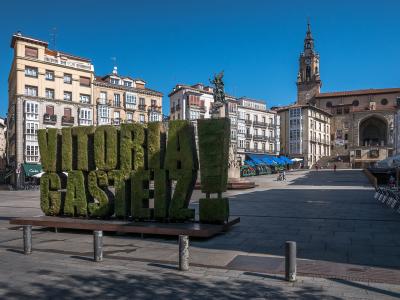
Plaza de la Virgen Blanca
Architectural Heritage · City Centers
Santa Maria Cathedral
From €8.50 Historic Heritage · Architectural Heritage
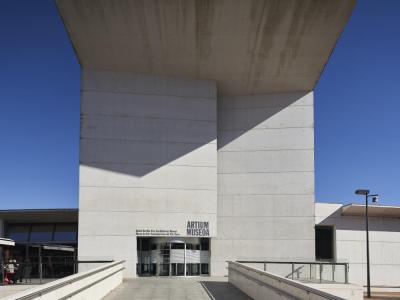
Basque Museum of Contemporary Art (Artium)
Abstract Art · Architectural Heritage
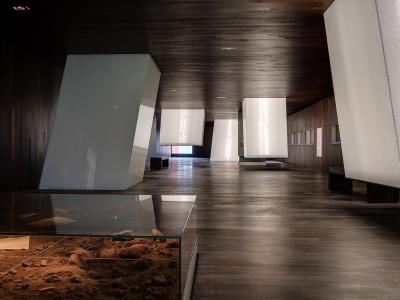
Museo de Arqueología y Historia
Archaeological Museums · City Centers
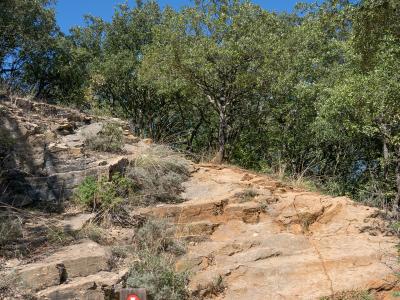
Vitoria-Gasteiz Green Belt
Gardens · Hiking Trails

Artium Centre
Museums & Culture · Art Museums
Vitoria by interest
The same sights, grouped by what you came for.
Did you know?
Checked facts about Vitoria, each with its source.
-
History
The 1813 Battle of Vitoria
The city was the site of a pivotal battle in 1813, where the British, Portuguese, and Spanish forces defeated the French army, a key event in the Peninsular War that led to the expulsion of French forces from Spain.
Source: turismovasco.com
Planning a visit to Vitoria
Itineraries that include Vitoria
Good to know
- Currency
- EUR
- Language
- Spanish