







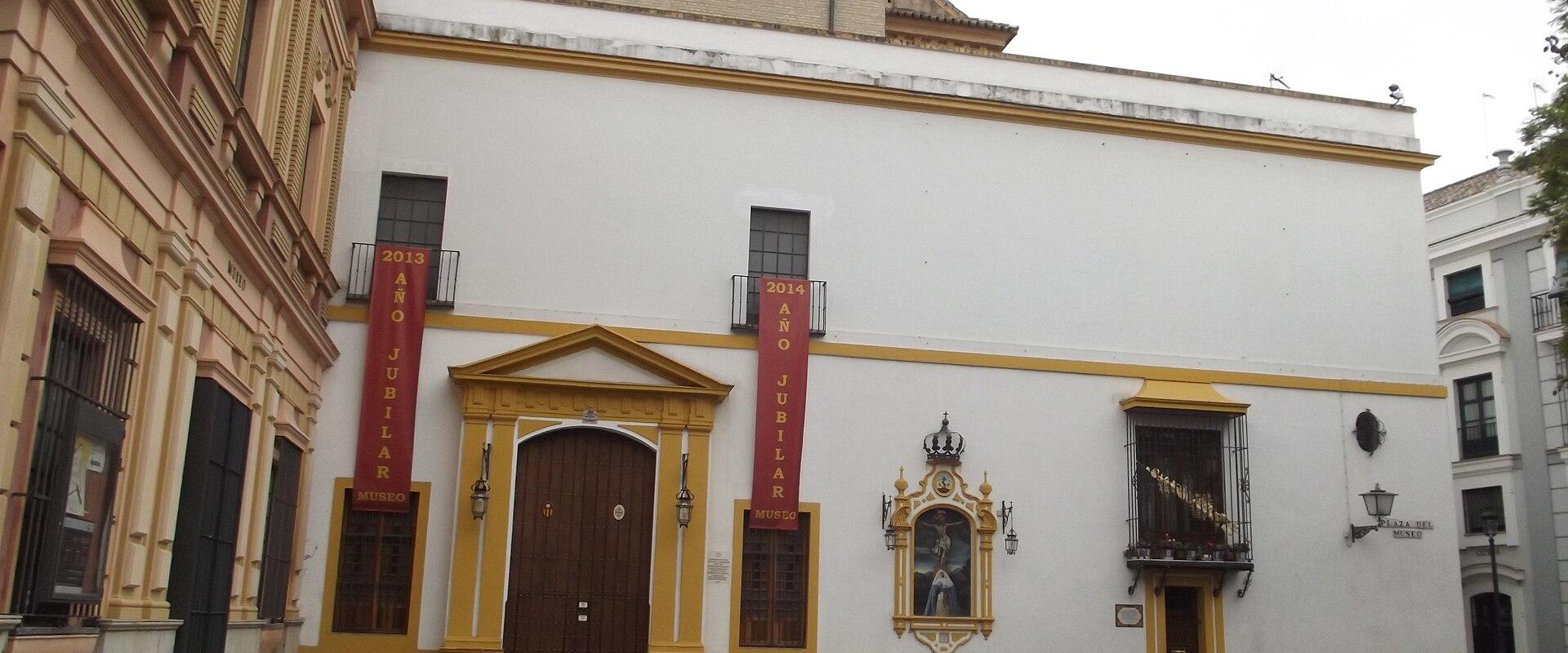
Museo de Bellas Artes
- Admission
- €1.50 general
- Free for EU citizens and children
- Hours
- Tue-Sat 9:00 AM – 9:00 PM; Sun 9:00 AM – 3:00 PM; Closed Mondays
- Where
- Seville, Andalusia
- Directions
- Directions
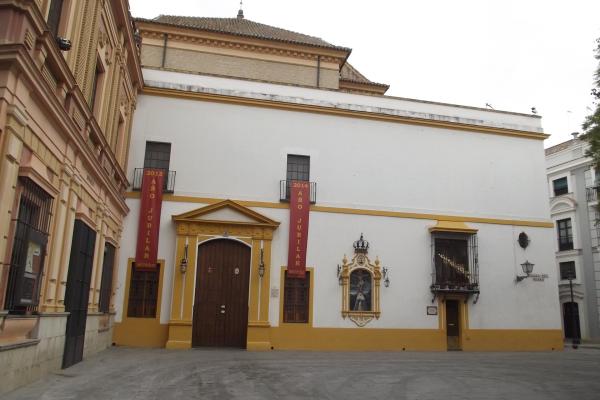
The Museo de Bellas Artes de Sevilla is the main art museum of Andalusia, a Sevillian institution of Spanish importance and one of the most important museums in Spain for painting of the Golden Age. It occupies the former Convento de la Merced Calzada, a monastery founded in the thirteenth century and rebuilt from the late sixteenth century in a Mannerist style, with three cloisters and a church whose ceiling was painted in the eighteenth century. The museum, often ranked second only to the Prado among Spanish art museums, was established in the nineteenth century, after the state closed many religious houses and gathered the artworks they held, and it opened to the public in 1841. The building is entered from the Plaza del Museo, where a statue of the painter Murillo stands, and the setting is part of its appeal.
The core of the collection is the Seville school of the seventeenth century, when the city was Spain’s richest port and a centre of artistic activity. Bartolomé Esteban Murillo, born in Seville in 1617, is the star, with a large group of paintings that includes tender images of the Virgin and Child and lively scenes of street children, in a soft, warm style that made him the most admired painter in Spain for a long time. Francisco de Zurbarán, who worked in Seville in the 1630s, is represented by monumental religious paintings of saints and monks, with strong contrasts of light and dark, and Juan de Valdés Leal, with his dramatic, sometimes macabre compositions, adds a harsher note. Works by Diego Velázquez, who was born in Seville, and El Greco, as well as sculpture by Pedro Roldán and Martínez Montañés, give the collection a wider reach.
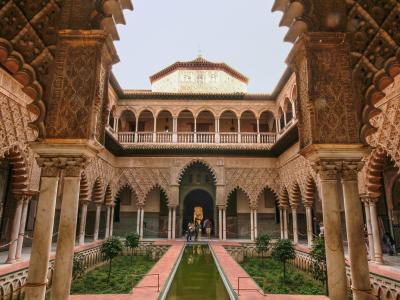
The museum is organised in galleries around the cloisters, with rooms arranged in chronological order. Visitors begin with art of the Middle Ages and the Renaissance, move to the Golden Age rooms, which are the principal ones, and continue to the eighteenth and nineteenth centuries. The later rooms include works by foreign artists such as Jan Brueghel the Elder, and by nineteenth-century Andalusian painters, whose scenes of Seville life and costume are often lively and colourful. The cloisters themselves, with their fountains, orange trees, columns and tiled walls, are a pleasant place to rest between galleries, and the Baroque stairway is a work of art in its own right.
The museum is closed on Mondays, and opening hours differ on Sundays and holidays, so check the official site. Entry has been inexpensive, with free entry for EU citizens and children on certain terms, and guided tours can be booked. A visit takes about two hours, and it is much quieter than the museums of Madrid.
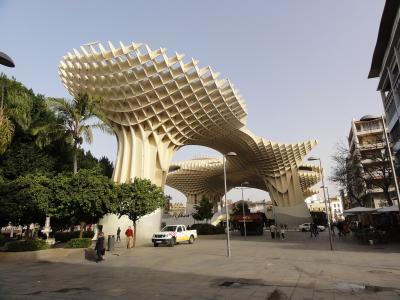
The museum is a short walk from the Plaza de la Encarnación and the Metropol Parasol, and the Alcázar, the cathedral and Barrio Santa Cruz are within easy reach on foot.
Categories
More photos coming soon
Hours & Fees
- Open
- Tue-Sat 9:00 AM – 9:00 PM; Sun 9:00 AM – 3:00 PM; Closed Mondays
- Admission
- €1.50 general; free for EU citizens and children
Hours and prices change, especially out of season. Check with the venue before you go.
Questions people ask
Quick Facts
Best Time to Visit
April to June and September to October offer mild, pleasant weather ideal for sightseeing.