







Parque Natural de Corralejo
- Admission
- Free
- Hours
- Open 24 hours a day, 7 days a week
- Where
- Fuerteventura, Canary Islands
- Directions
- Directions
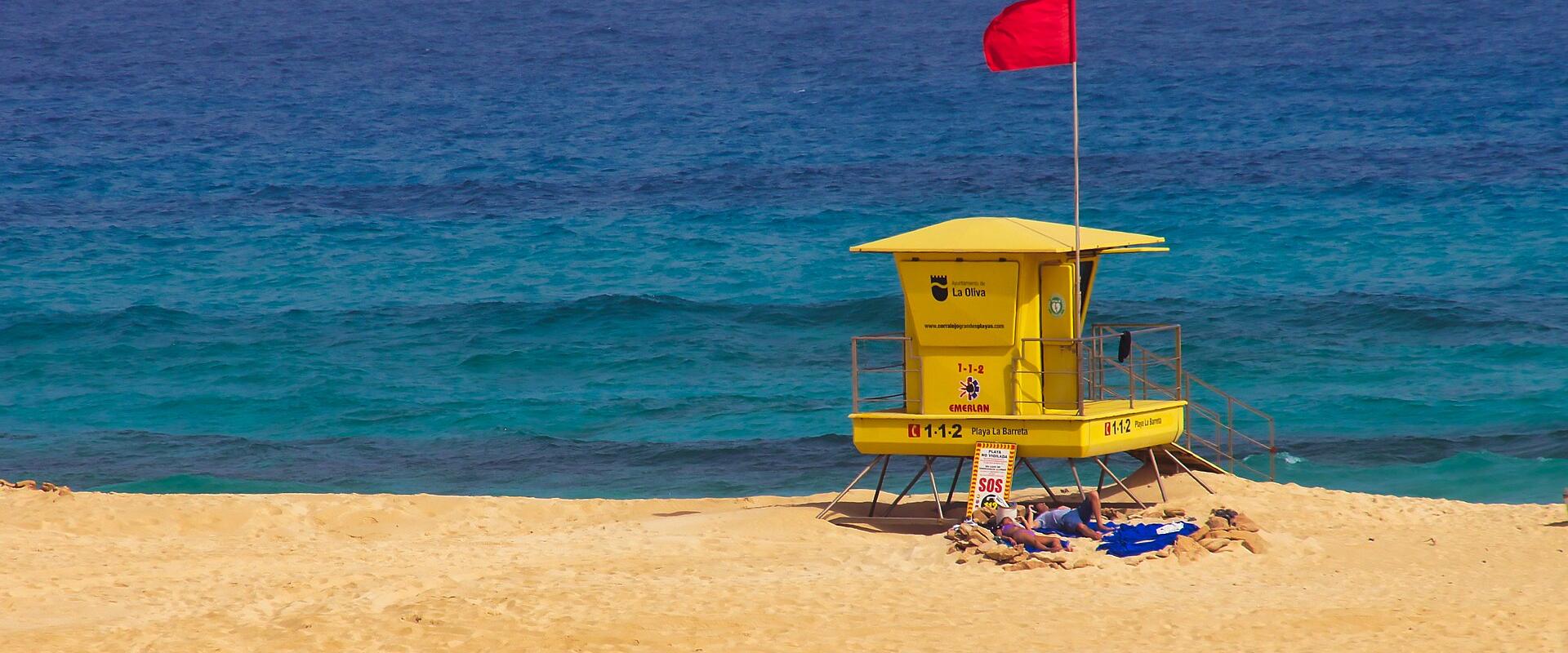
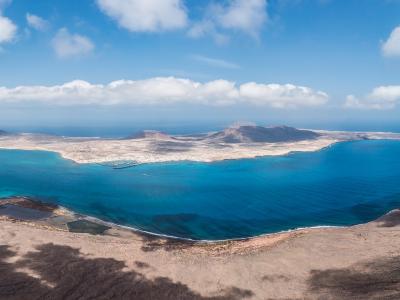
The Parque Natural de Corralejo, officially the natural park of the Corralejo dunes and the island of Lobos, covers the northern tip of Fuerteventura and is the largest area of living sand dunes in the Canary Islands. The park was created in the 1980s and 1990s to protect a landscape that is unusual in the archipelago: a broad belt of pale, almost white sand that stretches for about ten kilometres along the coast south of the town of Corralejo, backed by dark volcanic hills and facing the clear blue Atlantic. The dunes seem to belong in the Sahara, and indeed they look out toward Africa, but their origin is different. The sand is made of fragments of shells and marine organisms, ground down by the sea and blown inland by the strong trade winds for thousands of years.
The contrast of colours is the park's greatest attraction. The dunes are a bright, clean white that glows in the sun, the sea is a shifting mix of turquoise and deep blue, and behind them, the cones of volcanoes rise in shades of brown and red. The shapes of the dunes change with the wind, so no two visits look quite the same. Some dunes are high and steep and can be climbed, with wide views from the top, while the beaches in front are broad and gently sloping. The beaches, known collectively as the Grandes Playas, are some of the best on the island for swimming, though the surf can be strong and there are currents, so care is needed.
The dunes are also a fragile ecosystem. Specialised plants, among them salt-tolerant shrubs and grasses, help to hold the sand and provide a habitat for insects, lizards and birds, and the park is important for seabirds and migrants. Visitors are asked to stay on paths and avoid trampling vegetation, and not to remove sand or shells. In places, the dunes are being buried or eroded by human pressure and by the construction of large hotels built within the park area in earlier decades, which remain a point of controversy. Walking away from the busiest beaches quickly brings you to quieter, more natural stretches.
The park lies along the FV-1 road between Corralejo and El Cotillo and Puerto del Rosario, with parking areas near the main access points. There are few services within the park, so bring water, sun protection and a hat, and watch for strong wind that carries fine sand. Ferries from the port of Corralejo go to the nearby island of Lobos and to Lanzarote. The park is open at all hours and entrance is free.
It suits families, walkers, photographers and beach lovers. Early morning and late afternoon offer the best light and the fewest people.
Categories
More photos coming soon
Hours & Fees
- Open
- Open 24 hours a day, 7 days a week
- Admission
- Free
Hours and prices change, especially out of season. Check with the venue before you go.
Nearby Attractions
Other places to visit in Fuerteventura
Questions people ask
Quick Facts
Best Time to Visit
June through September offers warm, dry weather ideal for beach activities.