







- Hours
- 24 hours a day
- Where
- Ibiza, Balearic Islands
- Directions
- Directions
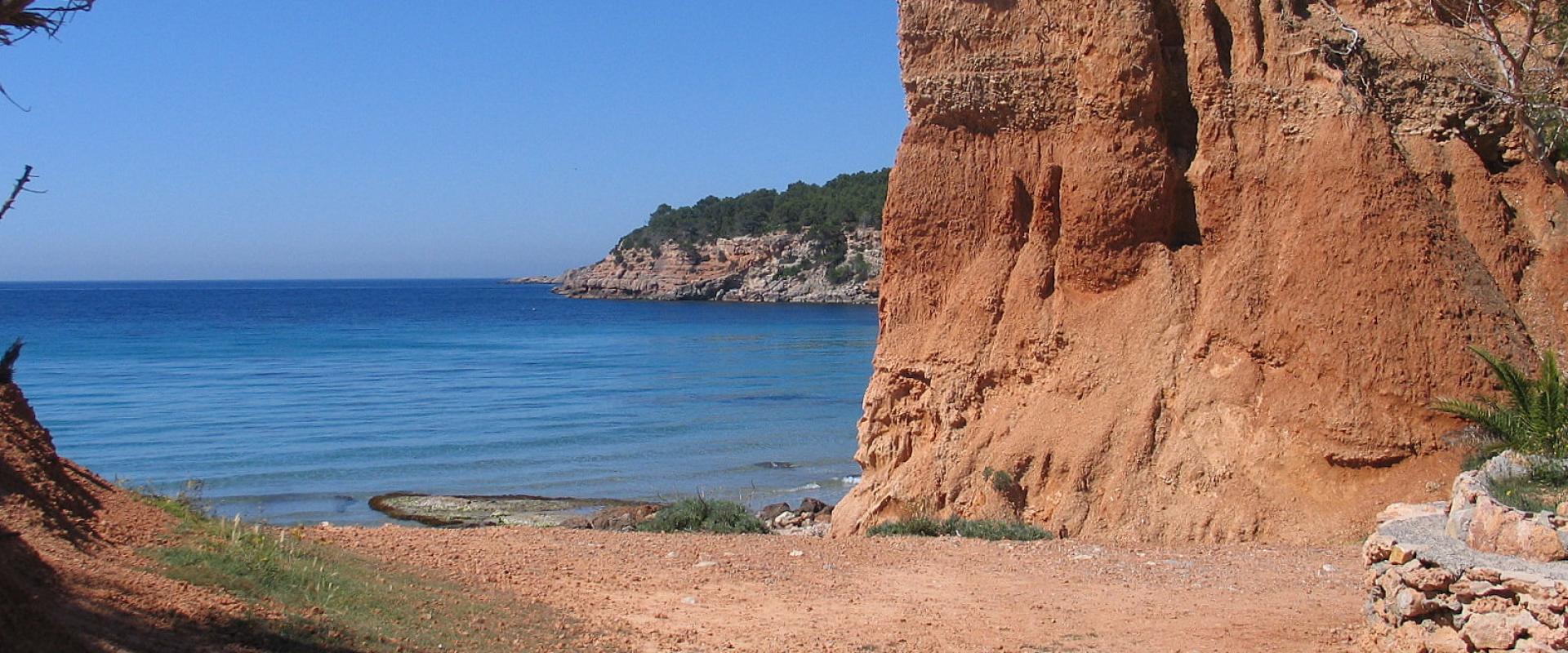
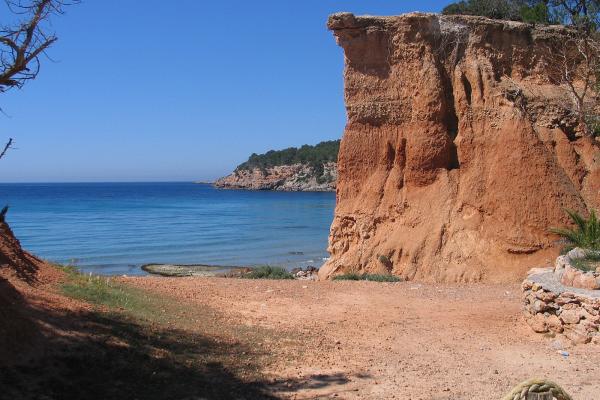
Sa Caleta is the oldest known Phoenician settlement on Ibiza, a small archaeological site on a low headland on the southwest coast of the island, in the municipality of Sant Josep de sa Talaia, near the beach of the same name with its ochre-coloured cliffs. The settlement was founded around the end of the eighth century or the start of the seventh century BC by Phoenician colonists, sailors and traders from the eastern Mediterranean, who were looking for places to exchange goods and to find metals and salt. It was occupied for about a century and then abandoned around 600 BC, when the inhabitants moved to the site of the present Ibiza Town, which became the main Phoenician city on the island. UNESCO listed Sa Caleta as part of the World Heritage Site Ibiza, Biodiversity and Culture in 1999, along with Dalt Vila and other places.
Because the village was left rather than rebuilt, it gives a rare picture of how an early colonial settlement was laid out. The remains consist of low stone foundations of houses, arranged in blocks with narrow streets and small squares, and they show that the community was organised in a planned way, with a fortification and a harbour. Excavations have revealed rooms for different activities, including workshops, storage rooms and ovens, as well as stone mills for grinding grain, and they suggest that the inhabitants practised farming, fishing, metalworking and the making of dyes from sea snails, the famous purple of the Phoenicians. Pottery, ornaments and tools found on the site show contacts with the wider Mediterranean.
The site is visually modest, since the remains are only a few courses high, and it takes some imagination to read the plan. Panels along the paths explain the structures, and an interpretation centre nearby provides context with displays, models and guided visits, and a virtual tour that reconstructs the village. The headland, with its pines, juniper scrub, red earth and views of the sea, adds to the interest. Part of the area also holds concrete remains of anti-aircraft batteries from the 1940s, a reminder of its use as a military position, so the visit combines very old and recent history.
The visit takes about half an hour, and the terrain is uneven, so comfortable shoes are advisable. The sun is strong, and there is little shade. Check the opening of the interpretation centre, since arrangements vary.
It suits history and archaeology lovers, and combines easily with a swim at nearby beaches, a visit to Ses Salines and a walk through Dalt Vila and the Castell d'Eivissa. Visitors in search of nightlife or large beaches will find a quieter side of Ibiza here.
More photos coming soon
Opening Hours
- Open
- 24 hours a day
Hours and prices change, especially out of season. Check with the venue before you go.
Nearby Attractions
Other places to visit in Ibiza
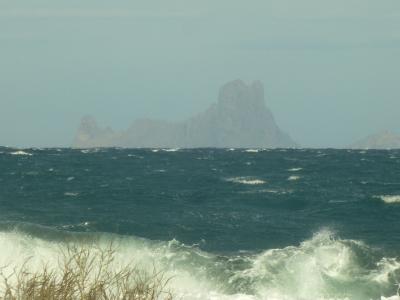
Es Vedrà
Coastal Views · Geological Sites
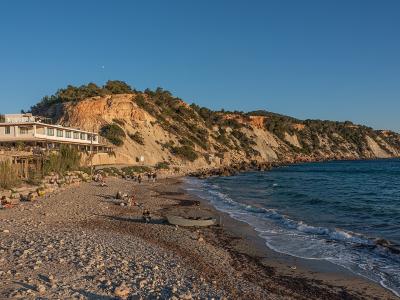
Cala d'Hort
Blue Flag beach with views of Es Vedrà
Free Coastal & Beaches · Nature & Outdoors
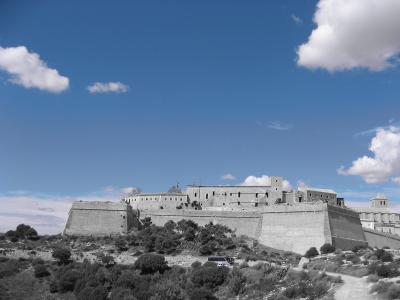
Castell d'Eivissa
Medieval fortress atop Ibiza's UNESCO Old Town
Architectural Heritage · Castles
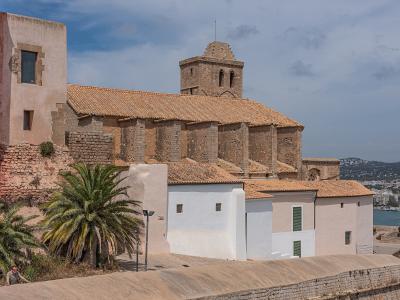
Catedral d'Eivissa
Gothic cathedral in Ibiza's historic Dalt Vila
Cathedrals · Historic Districts
Questions people ask
Quick Facts
Best Time to Visit
May through October offers warm, dry weather ideal for beach activities.