







- Admission
- Free admission
- Hours
- Open 24 hours, year-round
- Where
- Ibiza, Balearic Islands
- Directions
- Directions
The Parc Natural de ses Salines d’Eivissa i Formentera protects the southern end of Ibiza and the northern tip of Formentera, together with the shallow sea between them, and the Ibiza part is a mixture of salt pans, lagoons, dunes, pine woods and beaches. The park was declared in 2001, and it covers a large area, most of it sea. It is one of the most important natural areas in Ibiza’s Balearic archipelago, and its value was recognised by UNESCO as part of the World Heritage Site Ibiza, Biodiversity and Culture. Within a short distance of the island’s busiest resorts, it offers open, quiet landscapes, with long views and a lot of birdlife.
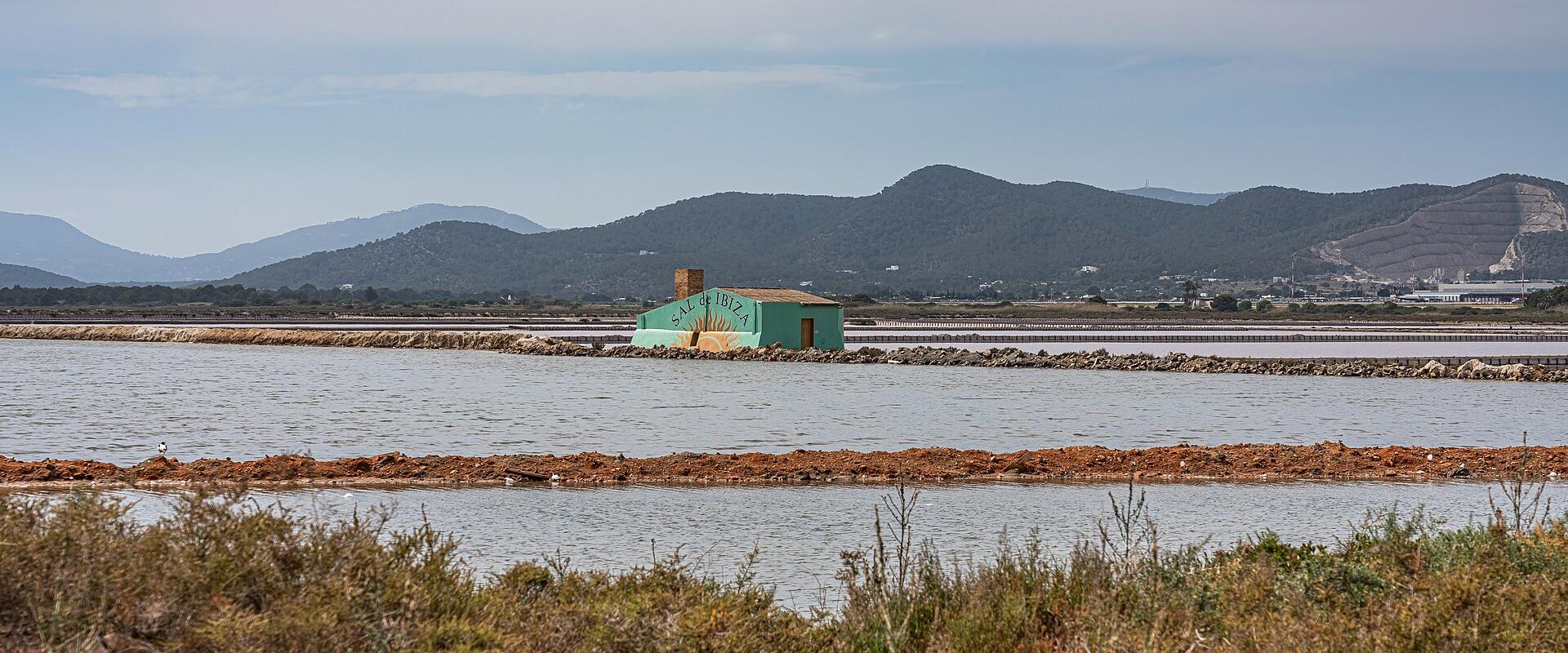
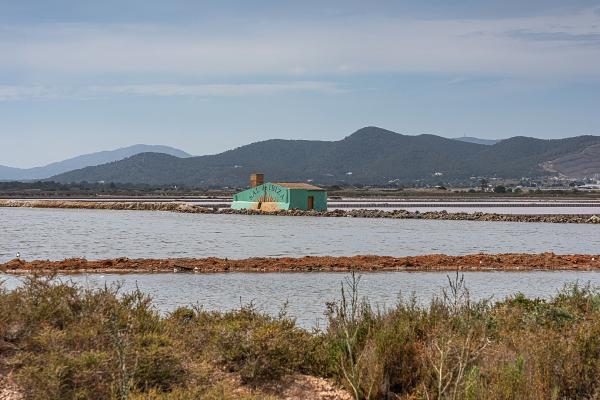
The salt pans are the central feature. Phoenician colonists were extracting salt here some twenty-six centuries ago, using the same simple principle that is used today: seawater is let into shallow ponds, the sun and the wind evaporate it, and the salt crystallises and is raked into white heaps. Salt was one of the island’s main exports for centuries, bringing wealth, and the Romans, the Moors and the Catalans all valued it. Even now, the Ibiza salt works remain active, and from the road the pale mounds of salt and the pink and orange water in the evaporating ponds, coloured by algae and tiny shrimp, make an unusual landscape. Pine woods and sabina junipers grow on the edges, and dunes, such as those at Es Cavallet, line the coast.
The wetlands are a stopover and wintering place for migratory birds. Flamingos feed in the shallow water, together with avocets, stilts, herons, sandpipers and other waders, and many species breed in the area. Birdwatchers go early in the morning or late in the afternoon, and binoculars are a help. The park is home to many plants, among them species adapted to saline soils, and under the sea, thick meadows of Posidonia oceanica seagrass, which help keep the water clear and provide nurseries for fish. The seagrass is protected, and it is part of the reason why the water here is so transparent.
Several watchtowers, built in the sixteenth and seventeenth centuries to warn against pirates, dot the coast, among them the Torre de sa Sal Rossa and the Torre de ses Portes, and they provide viewpoints. The beach of Ses Salines, also called Las Salinas Beach, a long strip of sand with shallow water and beach bars, is the most popular spot for swimming and sunbathing, and it is lively in summer, with music and a social scene. The quieter paths in the park lead through the salt flats and the dunes, and are suitable for walking and cycling.
The park is free to enter and open at all times. There is little shade, so bring sun protection, water and sturdy footwear. It is reached by car or bus from Ibiza Town and Sant Jordi, with parking at several access points, and a visitor office in Ibiza Town gives information. A visit can last from thirty minutes to a few hours. Late afternoon is the best time for light and birds, and the sunsets are often beautiful.
Categories
More photos coming soon
Hours & Fees
- Open
- Open 24 hours, year-round
- Admission
- Free admission
Hours and prices change, especially out of season. Check with the venue before you go.
Nearby Attractions
Other places to visit in Ibiza
Es Vedrà
Coastal Views · Geological Sites
Cala d'Hort
Blue Flag beach with views of Es Vedrà
Free Coastal & Beaches · Nature & Outdoors
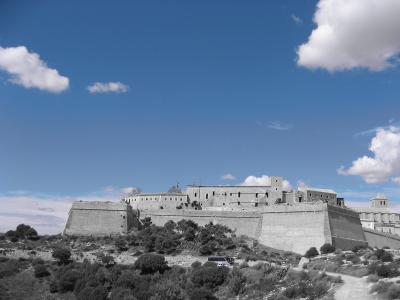
Castell d'Eivissa
Medieval fortress atop Ibiza's UNESCO Old Town
Architectural Heritage · Castles
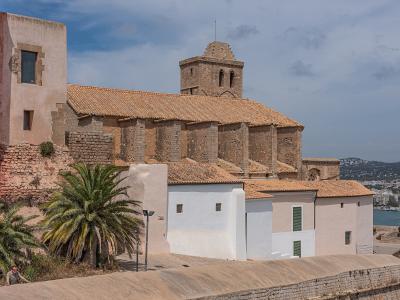
Catedral d'Eivissa
Gothic cathedral in Ibiza's historic Dalt Vila
Cathedrals · Historic Districts
Questions people ask
Quick Facts
Best Time to Visit
May through October offers warm, dry weather ideal for beach activities.