How tapas work in Madrid
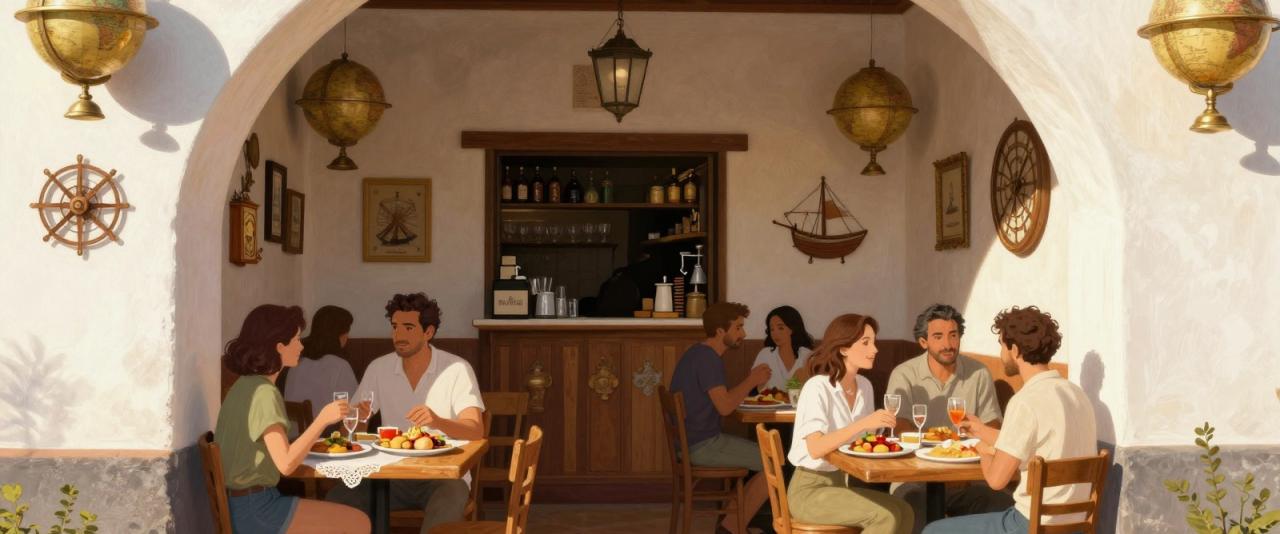
A tapas crawl in Madrid means moving between bars, ordering a drink and one or two small plates in each, and standing at the counter rather than settling in for a full meal. The habit is sometimes called ir de cañas (going for small beers) or, on weekend mornings, ir de vermut.
A few terms help when reading a chalkboard menu:
- Tapa: a small portion, sometimes served free with a drink, though in Madrid you will more often pay for food.
- Pincho: a single bite, often on bread or a skewer.
- Media ración and ración: half and full plates meant for sharing. A group of two or three usually does better ordering raciones and sharing.
- Caña: a small draught beer. A doble is larger. Vermut de grifo is vermouth on tap, often served with an orange slice and an olive.
When to go
Madrid eats late. The pre-lunch round starts around 1pm, with lunch itself at 2pm or later. The evening round usually begins after 8pm and runs until well after 10pm. Sunday around midday is a classic time in La Latina, when people drift over after the El Rastro flea market, which runs on Sunday and public holiday mornings in the streets around the Ribera de Curtidores.
Going slightly early, at about 1pm or 8pm, gets you space at the counter before the crowds.
Classic Madrid dishes to look for
Many Spanish tapas are found everywhere, but some are particularly associated with Madrid:
- Patatas bravas: fried potatoes with a spicy sauce. Recipes vary, and comparing them is part of the fun.
- Bocadillo de calamares: a crusty roll filled with fried squid rings, a Madrid staple, especially around the Plaza Mayor.
- Croquetas: creamy béchamel croquettes, often with ham (jamón), chicken or cod.
- Callos a la madrileña: a slow-cooked stew of tripe with chorizo and black pudding, typical in cold months.
- Oreja a la plancha: grilled pig's ear, a traditional bar dish.
- Tortilla de patatas: potato omelette, served by the wedge. Madrid bars argue over whether it should be runny in the centre.
- Boquerones en vinagre: anchovies marinated in vinegar, garlic and parsley.
Neighbourhoods to walk
La Latina. The streets of Cava Baja and Cava Alta, plus the area around Plaza de la Paja and Plaza de los Carros, have one of the densest concentrations of tapas bars in the city. It is at its liveliest on Sunday afternoons.
Around the Plaza Mayor and Sol. Convenient and historic, but aimed more at visitors; quality varies more here, so be selective.
Huertas (Barrio de las Letras). Between Sol and the Paseo del Prado, with older taverns and lively evenings.
Lavapiés. One of the city's most diverse districts, with traditional bars alongside places reflecting the neighbourhood's many communities.
Malasaña and Chueca. Younger, more contemporary bars, with modern takes on classic dishes.
Markets. The Mercado de San Miguel near the Plaza Mayor is a gourmet market with many stalls under one roof; it is convenient but busy and priced for visitors. Neighbourhood markets elsewhere in the city often have bar stalls with a more local crowd.
How to choose a good bar
Bars open and close regularly, so learning the signs of a good one is more useful than a fixed list:
- A local crowd at the counter, especially at peak times.
- A short, specific menu on a chalkboard rather than a laminated picture menu in several languages.
- House specialities that the bar is known for, often written up separately.
- Visible fresh food behind the counter, such as tortillas, croquetas or seafood.
- Prices displayed for both bar and table service; in some places sitting down costs more than standing.
Bar etiquette
- Order at the counter, and ask the bartender what the house speciality is.
- Pay at the end. Bartenders usually keep track of what you ordered, sometimes in chalk on the bar.
- Tipping is not expected in the way it is in North America; rounding up or leaving small coins is common for good service.
- It is normal to stay in each bar for only one round before moving on.
- Napkins on the floor are less common than they once were, so don't read them as a sign of quality.
A sample evening route
Start around 8pm in Huertas, with a vermouth and a plate of boquerones. Walk west past Sol to the Plaza Mayor for a bocadillo de calamares, then continue down to La Latina for croquetas and a ración to share on Cava Baja. Finish wherever there is space at the counter. Three or four stops with one or two plates each are enough for dinner.