Penagos and Cabárceno
Quiet Cantabrian municipality that holds the Cabárceno Nature Park
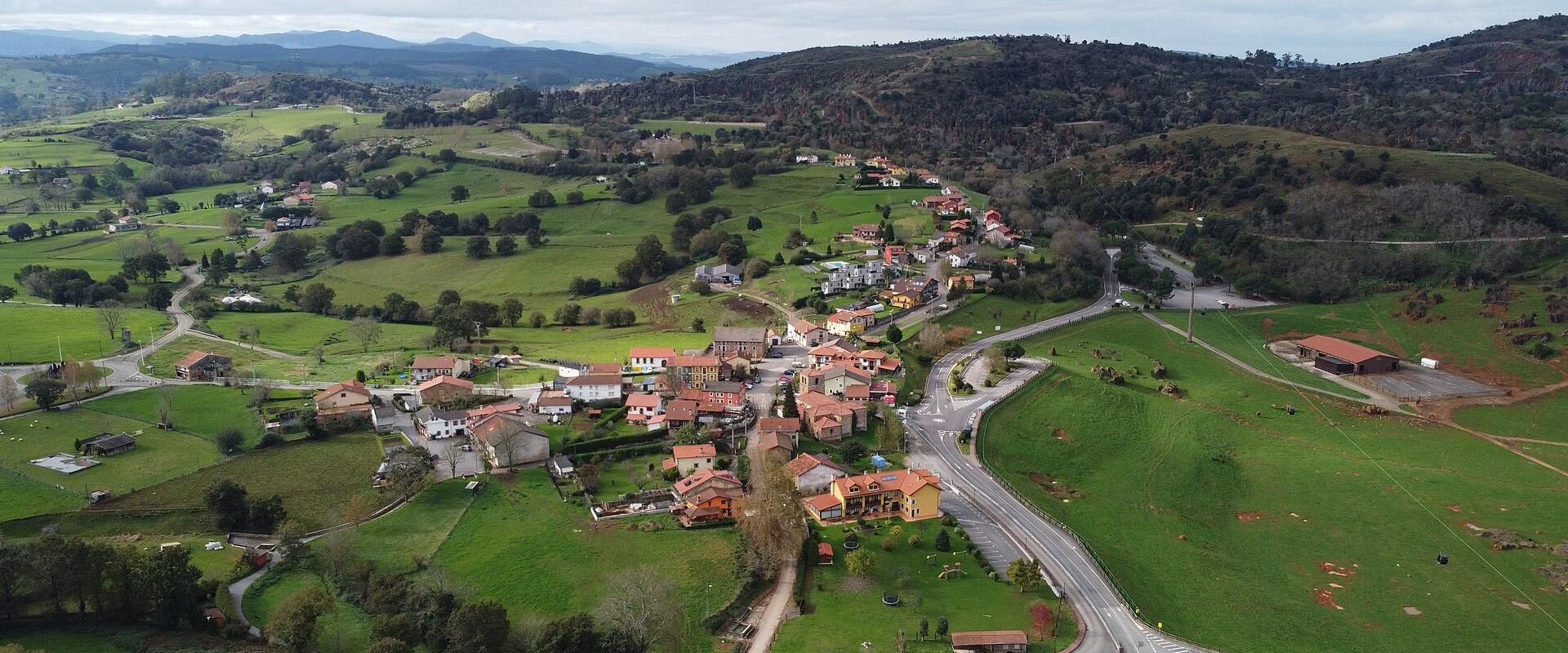
Penagos lies in the centre of Cantabria, a short distance inland from the capital Santander and from the bay. The municipality has about 2,250 inhabitants and an area of around 32 square kilometres, and it is divided into five localities. Penagos is the administrative centre, Sobarzo, Llanos and Arenal are smaller settlements, and Cabárceno is the locality that has given its name to the best-known attraction of the area. The land is hilly and green, with pasture for dairy cattle, scattered farmhouses and patches of woodland, and rain falls throughout the year, which keeps the countryside vivid.
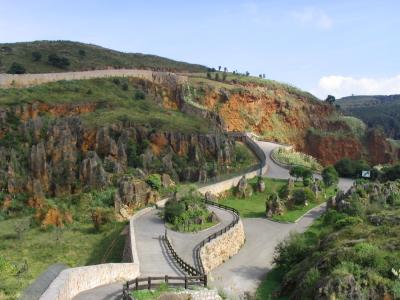
Cabárceno has an unusual history. The hills here are rich in iron ore, and mining took place in the area over a long period, ending in the late twentieth century. When mining stopped the huge open pits, rock walls and galleries remained, and the regional government of Cantabria converted the site into the Parque de la Naturaleza de Cabárceno, which opened in 1990. The park covers several hundred hectares and is run as a public enterprise. Instead of small cages, animals live in large enclosures set among the old mine workings, with natural rock, water and vegetation. Elephants, giraffes, rhinos, bears, big cats and many other species are kept, along with animals native to the Cantabrian mountains, and the layout is designed so that visitors can see many of them from the road and from viewing points. A cable car crosses part of the park and gives a view over the terrain. The park is large, and it takes a full day to see it properly, so plan the visit with the official map. Opening days and ticket prices change through the year, so check the park's website before going.
The rest of Penagos is quiet. Village churches, traditional houses with wooden balconies and stone walls, and small fields give the area a rural character, and there are few hotels, since most visitors stay in Santander or on the coast and come out for the day. The mountain of Peña Cabarga, which rises close to the park, is a popular viewpoint over the Bay of Santander, the coast and the Cantabrian range. A road climbs close to the summit, and from the top the view takes in the whole bay on a clear day.
The surrounding region is one of the most rewarding parts of northern Spain. Santander, with its beaches and the Magdalena Peninsula, is only a short drive away, and the historic village of Santillana del Mar and the Museum of Altamira lie further west along the coast. Cantabrian food is easy to find in local restaurants: cocido montañés, a hearty stew of beans, cabbage and pork, anchovies from Santoña, and the milk pastries and cheeses of the region.
Getting to Penagos is easiest by car, and Cabárceno is signposted from the roads south of Santander. The trip from the city takes about twenty minutes under normal conditions. Public transport to the park exists in some seasons but is limited, so check current services.
The best months for a visit are spring and early autumn. In summer the park is at its busiest, particularly in July and August and on weekends, and the animals are often more active in the cooler morning hours. Winter can be wet, but it is quiet, and the park remains open on many days of the year.
Best time to visit
April to June and September for mild weather and comfortable walking around the park; July and August are the busiest, and winter days are short and often wet.
What to see in Penagos and Cabárceno
Our picks first.
Penagos and Cabárceno by interest
The same sights, grouped by what you came for.
Did you know?
Checked facts about Penagos and Cabárceno, each with its source.
-
History
Industrial Heritage of Cabárceno
The Cabárceno Natural Park, located in the town of Penagos, was established on land that was previously part of a local mining operation, transforming an industrial site into a nature reserve.
Source: europezoos.com
Planning a visit to Penagos and Cabárceno
Good to know
- Currency
- EUR
- Language
- Spanish