







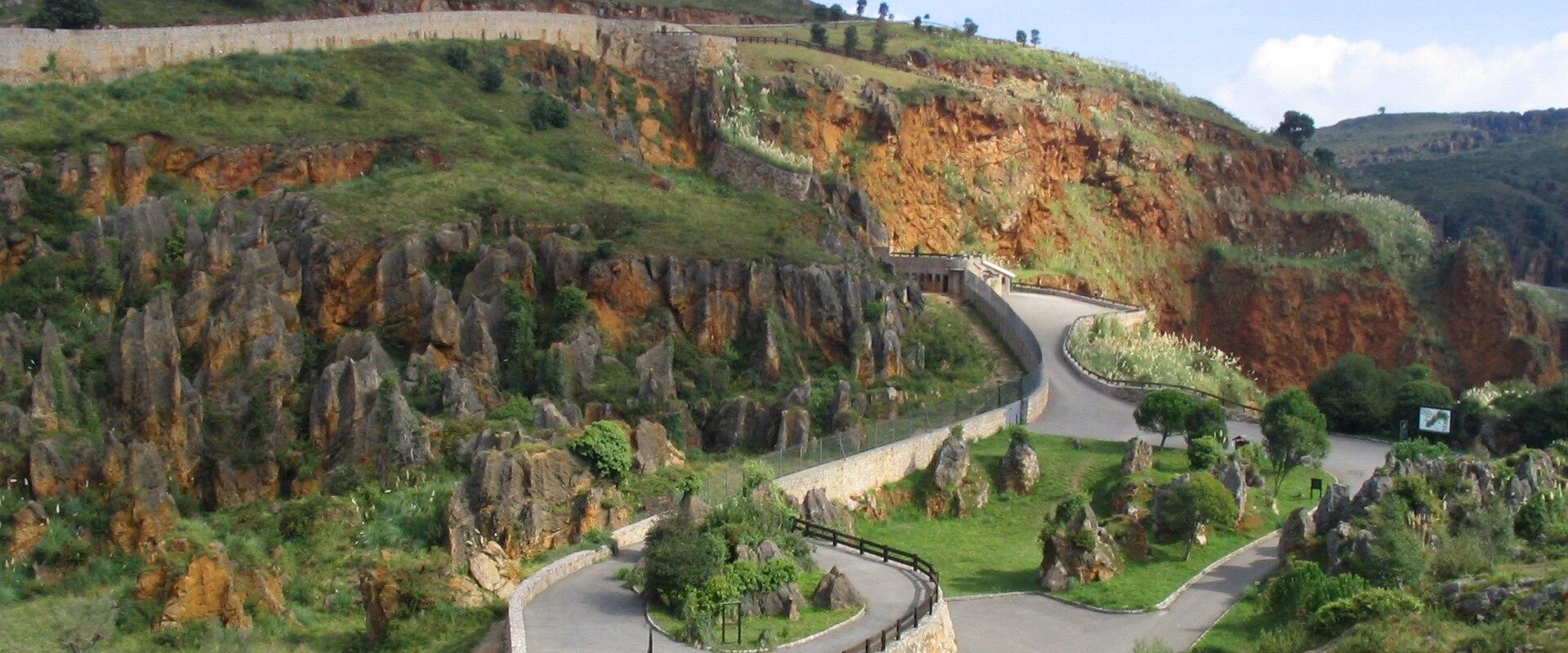
Parque de la Naturaleza de Cabárceno
- Where
- Penagos and Cabárceno, Cantabria
- Directions
- Directions
Cabárceno Nature Park, the Parque de la Naturaleza de Cabárceno, is a wildlife park in Cantabria, set in a former open-cast iron mine in the municipality of Penagos, about fifteen to twenty kilometres south of Santander. It is a short drive from Santillana del Mar and is often combined with a visit to the coast and the Altamira museum. The park opened in 1990, when the regional government decided to turn the exhausted mine, which had been worked since Roman times, into a place where animals could live in large enclosures, and it has become one of the main tourist attractions of the region.
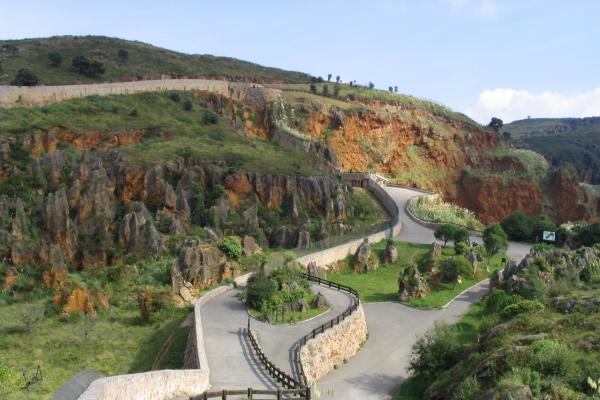
The setting is exceptional. The mining left a landscape of limestone crags, cliffs, hollows and lakes, and the animals live in huge spaces that follow these natural features. There are rocky outcrops, ponds, patches of woodland and open grassland, and the enclosures are often separated from the paths by moats or low barriers rather than tall fences, so visitors see the animals in settings that resemble their natural habitats. The park covers hundreds of hectares, and visitors move through it by car, bicycle or on foot, along a network of roads and walkways, with viewpoints and car parks at each enclosure.
The collection includes a wide range of species from several continents, among them elephants, giraffes, zebras, rhinoceroses, hippopotamuses, tigers, lions, bears, wolves, gorillas and chimpanzees, as well as many birds and reptiles. Brown bears are a special focus, since they are native to the mountains of northern Spain, and the park takes part in programmes for the conservation of endangered species. Several of the enclosures hold African and European animals, and the staff organise feeding demonstrations and talks at set times during the day. A cable car, the teleférico, crosses part of the park and offers an aerial view of the crags and enclosures.
The park is designed with educational and scientific purposes as well as leisure ones, and it works with research and conservation projects. Information boards at the enclosures give details of each species and its status in the wild. Families make up much of the public, and the large spaces suit children, but the distances are long, so it helps to plan a route in advance and decide how much to see.
The visit can take a full day. It is best to arrive early, bring water and food or plan to use the cafeterias, and wear comfortable shoes. Weather in Cantabria is changeable, so a rain jacket is a good idea. Opening hours and ticket prices vary by season, and the official site is the reliable source.
Categories
More photos coming soon
Nearby Attractions
Closest attractions by distance
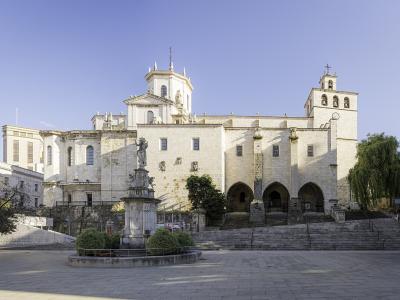
Catedral de Santander (Santa María)
Free Cathedrals · Historic Churches
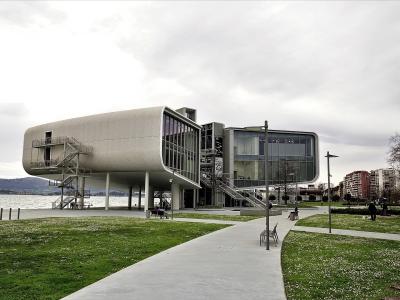
Centro Botín
Architectural Heritage · Coastal Views
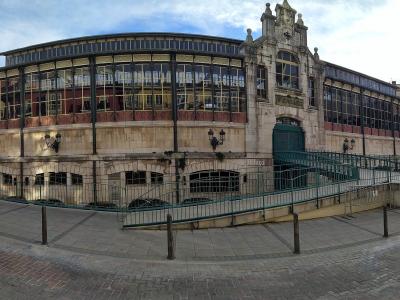
Mercado de la Esperanza
Free Urban Exploration
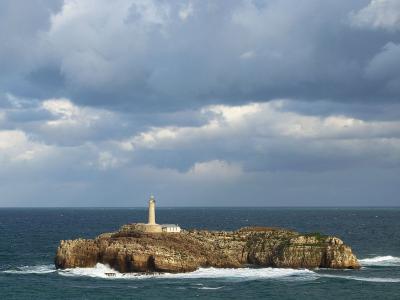
Mirador de la Isla de Mouro
Free Coastal Views · Islands
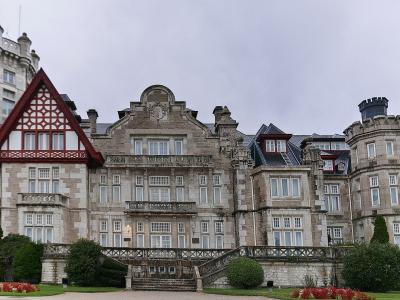
Palacio de la Magdalena
Coastal Views · History Museums
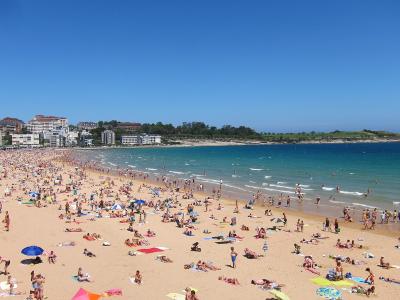
Parque de El Sardinero
Coastal & Beaches · Nature & Outdoors
Paseo de Pereda
Free City Centers · Coastal Views
Playa de la Concha
Free Coastal & Beaches · Beaches
Questions people ask
Quick Facts
Best Time to Visit
April to June and September for mild weather and comfortable walking around the park; July and August are the busiest, and winter days are short and often wet.