







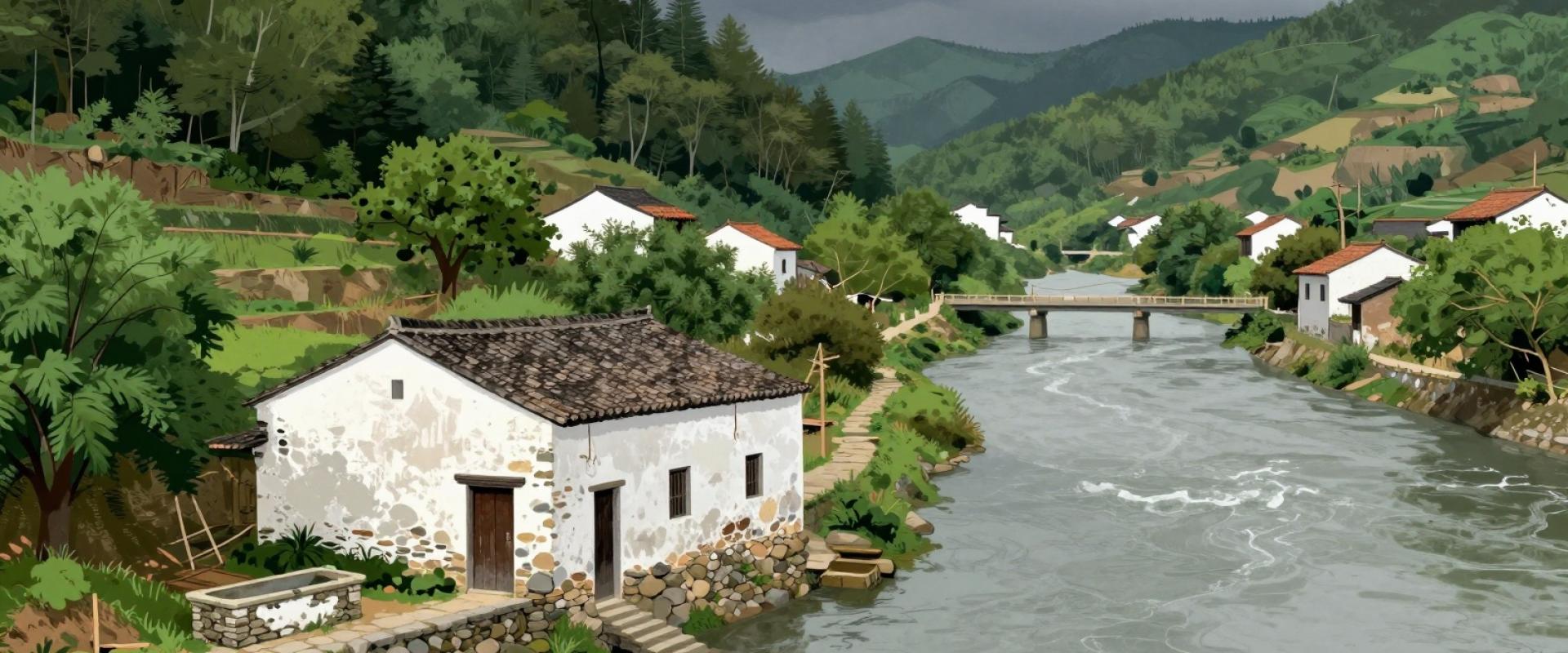
Cap de Menorca Natural Park
- Where
- Menorca, Balearic Islands
- Directions
- Directions
Menorca is a small island with a big reputation for protected landscape, and the northern coast is where its wildest scenery lies. The Cap de Menorca area lies on that northern side, where the terrain is rugged and exposed and where settlement is sparse. The island was declared a UNESCO Biosphere Reserve in 1993, in recognition of the way traditional farming, stone walls, small villages and natural areas have been kept in balance. Much of the coast is protected from development, and the northern shore is the least touched of all.
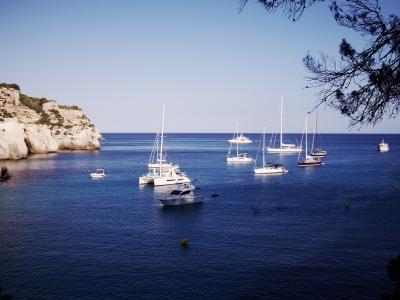
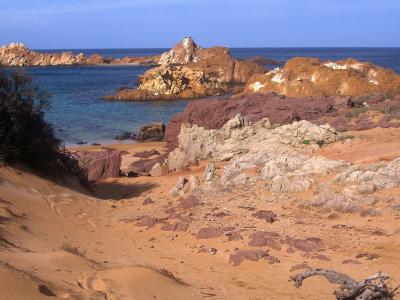
The character of the north is different from the more sheltered south. Dark, old rocks, mainly slates and sandstones, replace the pale limestone of the southern ravines and give the cliffs a darker, more weathered look. The Tramuntana, the cold northern wind, blows hard here for much of the year, and it shapes the vegetation: low, compact scrub, wild olive, juniper and aromatic shrubs press close to the ground, bent into streamlined shapes. The coast is made of long headlands, small bays and rocky points, and the sea is a deep, dark blue. In places, the landscape feels more like Brittany or the Scottish coast than a Mediterranean island.
The best way to see this part of Menorca is on foot. The Camí de Cavalls, a path of about 185 kilometres that circles the whole island, follows the coast and passes through the northern sections. It was originally a military and patrol route, and today it is a hiking and riding trail with way markers, gates and stone walls. Walkers can choose a short section or a longer day's walk, but there is little shade, and weather can change quickly, so water, sun protection and windproof layers are wise.
Wildlife includes seabirds, birds of prey and lizards, and the island is known for the Egyptian vulture, which nests on the cliffs. Lighthouses stand on some of the capes and give a sense of the island's maritime history.
There are no formal entrance fees for walking along the coast, and facilities are limited, so plan to bring food and water. The area suits walkers, photographers and nature lovers, who find a quiet contrast with the busier beaches of the south. Nearby are Cala Pregonda, the town of Es Mercadal and the Talaiot de Trebalúger, which together form a good day's circuit.
Categories
More photos coming soon
Questions people ask
Quick Facts
Best Time to Visit
May through September offers warm, dry weather ideal for swimming and beach activities.