History
Menorca’s history is a tapestry woven from the influences of various Mediterranean powers, reflecting its strategic position in the western Mediterranean. The island was first settled by the Talayotic culture, whose megalithic structures, such as the taules and navetas, remain visible today as testaments to a sophisticated Bronze Age society. Over the centuries, Menorca changed hands between the Romans, Visigoths, Moors, and British, each leaving a subtle imprint on the local culture. The British rule, in particular, left a lasting legacy, evident in the island’s architecture and the English name "Menorca" itself. This blend of influences creates a unique cultural identity, distinct from the other Balearic Islands, preserving a sense of tranquility and tradition that has defined the island for centuries.
Main Attractions
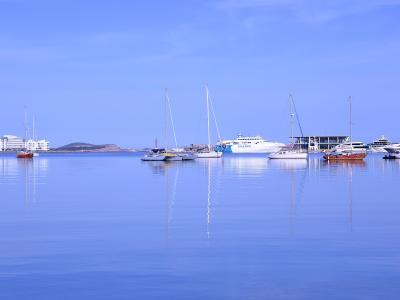
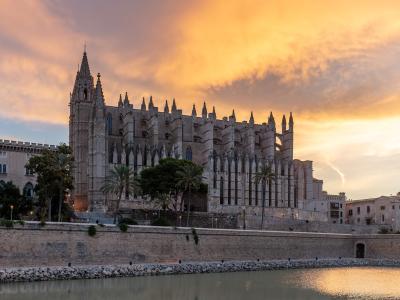
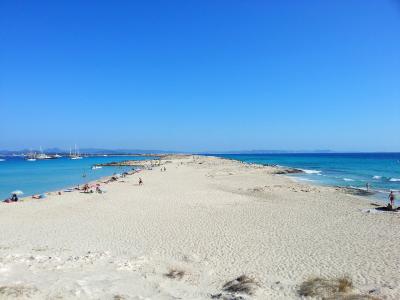
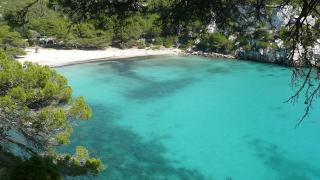
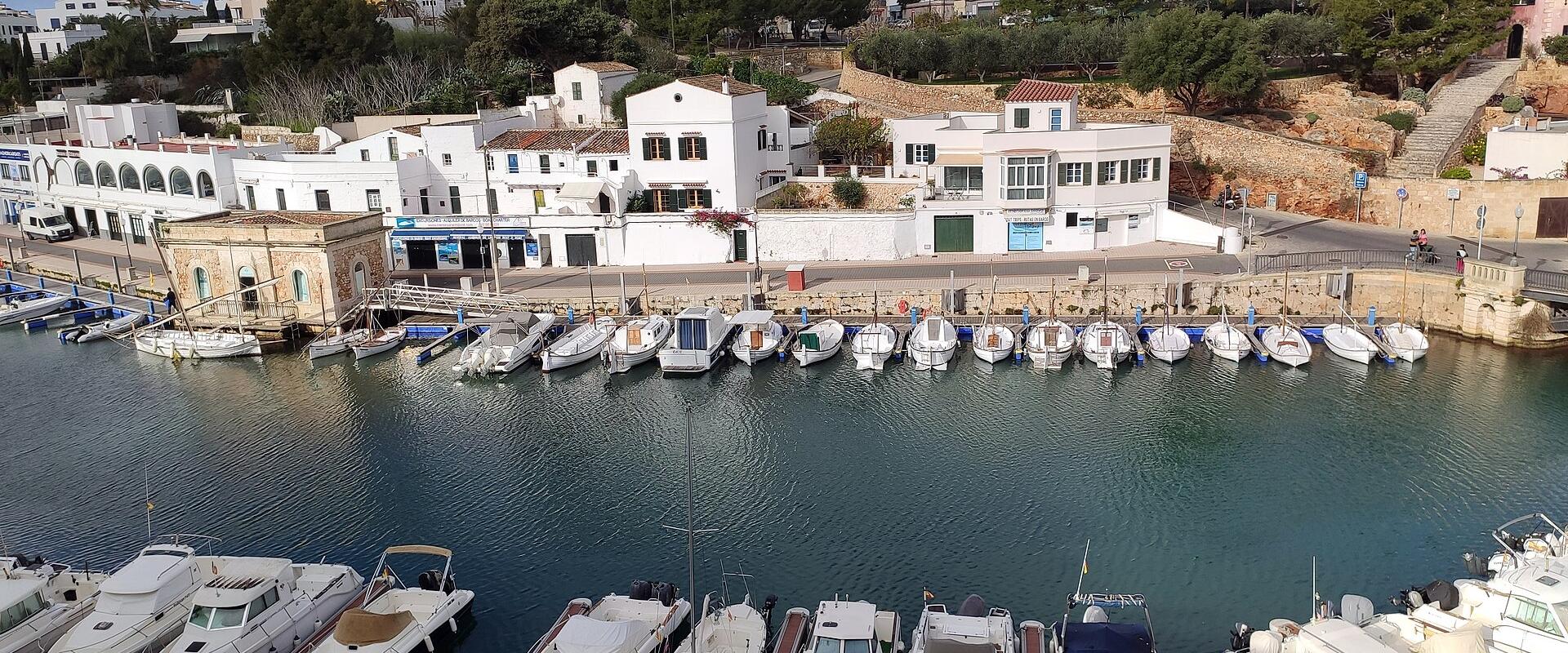
The primary attraction in Menorca is its natural beauty, characterized by over 70 beaches with turquoise waters and white or red sand. The island’s landscape is defined by its flat, limestone terrain, dotted with dry stone walls that create a patchwork of green pastures. Key destinations include the stunning coves of Cala Macarella and Cala Mitjana, known for their crystal-clear waters. In Maó, the capital, visitors can explore the historic port and the impressive Maó Cathedral. The island also offers a rich cultural heritage, with prehistoric sites like the Talayotic settlements of Torre and Torralba, offering a glimpse into the island’s ancient past.
Activities
Menorca is ideal for those seeking a relaxed and active holiday. Hiking is a popular activity, with the Camí de Cavells, a 210-kilometer trail that circles the island, offering stunning views of the coast and countryside. Cycling is another popular way to explore, with flat roads and gentle hills making it accessible for all levels. Water sports are also popular, with opportunities for swimming, snorkeling, and kayaking. The island’s clear waters are perfect for exploring underwater caves and marine life. Additionally, visitors can enjoy horse riding, with many stables offering guided rides through the countryside.
Getting There
Menorca is accessible by air and sea. Menorca Airport (MAH) is located in Maó, with regular flights from major Spanish cities and European hubs. The flight time from Madrid is approximately one hour. Alternatively, ferries operate from Barcelona, Valencia, and the Balearic Islands, with travel times ranging from 4 to 10 hours depending on the type of vessel. Once on the island, public buses connect major towns, but renting a car is highly recommended for exploring the island’s many hidden coves and villages.
Best Time to Visit
The best time to visit Menorca is during the spring (April to June) and autumn (September to October) months. During these periods, the weather is warm and sunny, with temperatures ranging from 20°C to 25°C, ideal for swimming and outdoor activities. The summer months (July and August) are hot and crowded, with higher prices and more tourists. The winter months are mild but can be rainy, with cooler temperatures. Visiting in the shoulder seasons offers the best balance of good weather, fewer crowds, and lower prices, making it the ideal time to experience the island’s natural beauty and tranquility.
Best time to visit
May through September offers warm, dry weather ideal for swimming and beach activities.
What to see in Menorca
Our picks first.
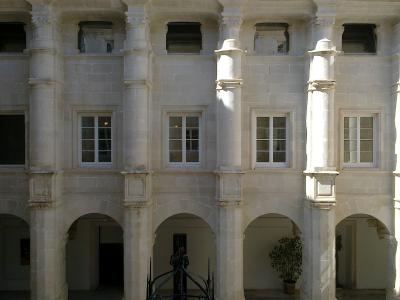
Museu de Menorca
Museums & Culture · Archaeological Museums
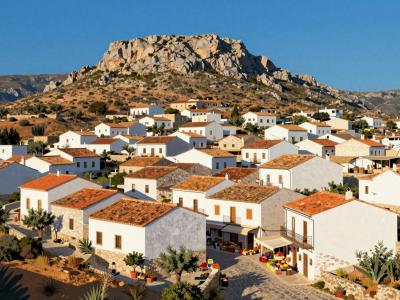
Es Mercadal Market
Free Cultural Events · Markets
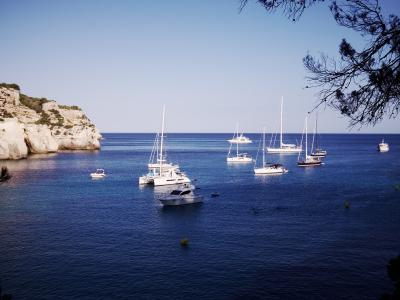
Cala Macarella
Free Coastal & Beaches · Nature & Outdoors
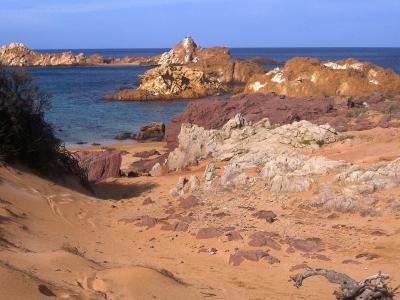
Cala Pregonda
Free Coastal & Beaches · Nature & Outdoors
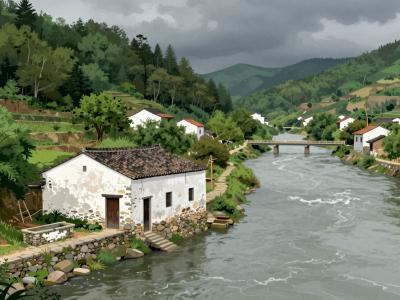
Cap de Menorca Natural Park
Coastal Views · Hiking Trails
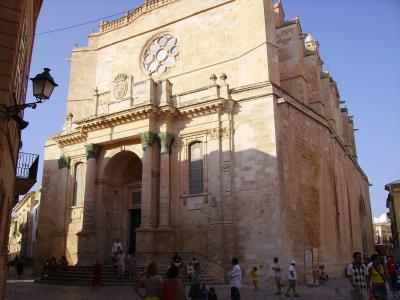
Catedral de Santa Maria de Ciutadella
Cathedrals · Historic Churches
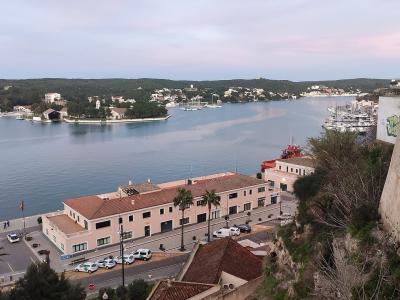
Port de Mahón
Free Coastal & Beaches · Urban Exploration
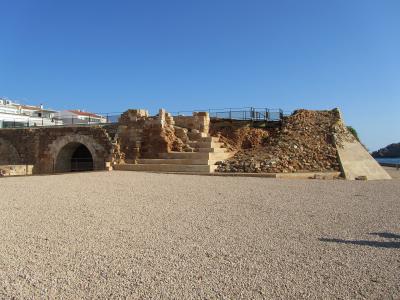
Es Castell de Sant Antoni
Ancient Ruins · Castles
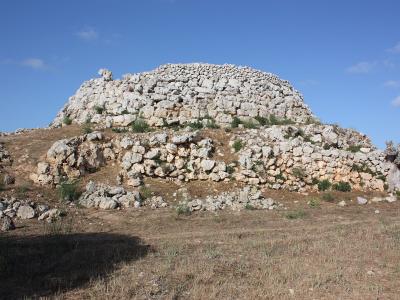
Talaiot de Trebalúger
Historic Heritage · Museums & Culture
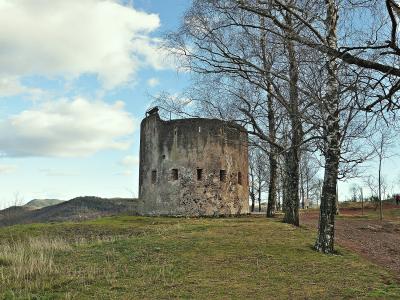
Torre de Sant Francesc
Historic Churches · Religious Sites
Menorca by interest
The same sights, grouped by what you came for.
Planning a visit to Menorca
Itineraries that include Menorca
Good to know
- Currency
- EUR
- Language
- Spanish