







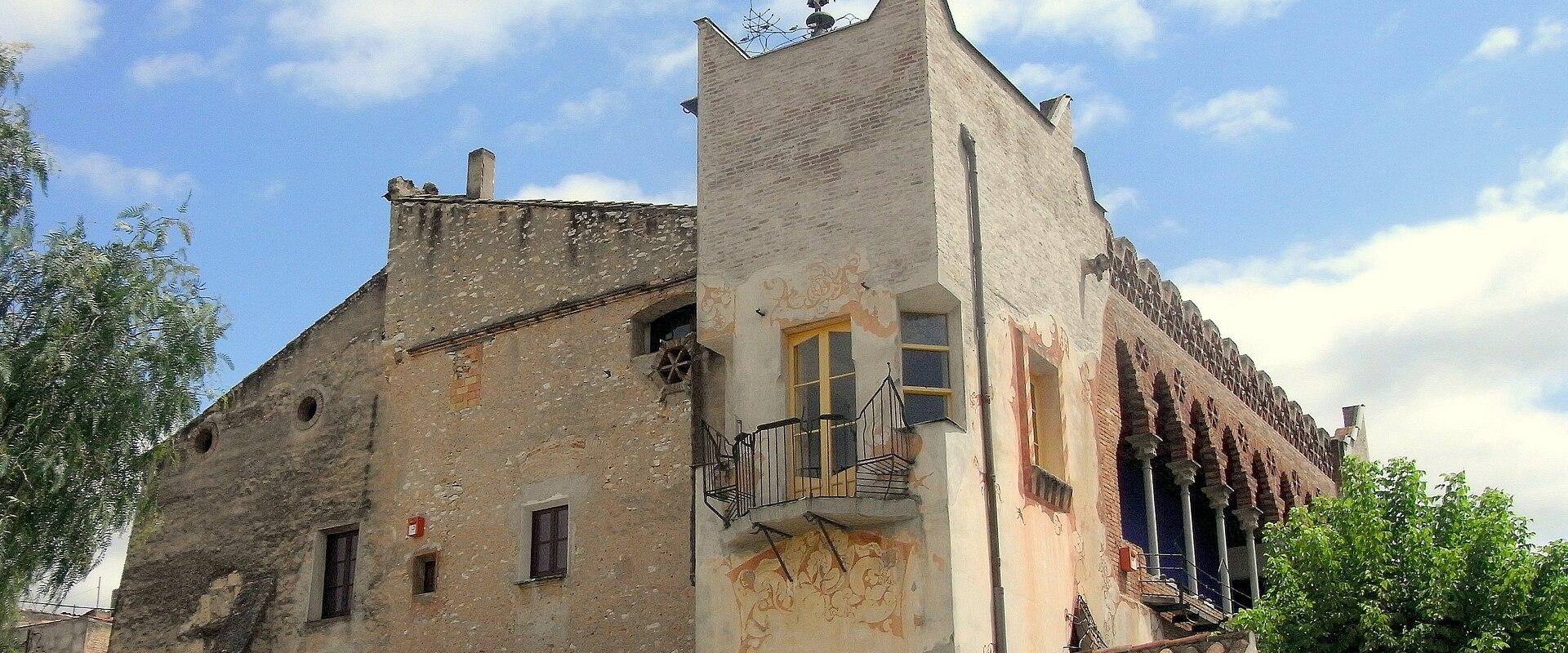
Casa del Poble
- Where
- Tarragona, Catalonia
- Directions
- Directions
Casa del Poble, the House of the People, is the name given in Catalonia to a type of building that served as a meeting place for working people, cooperatives, trade unions and civic associations, and the Tarragona building that carries this name belongs to that tradition. The movement for such houses grew in the late nineteenth and early twentieth centuries, when cities were industrialising and workers’ organisations wanted premises of their own, for meetings, education, mutual aid and cultural events. Many were run by political parties, unions or cooperatives, and they often held libraries, classrooms, theatres and cafes, as well as offices. The idea expressed a belief that culture and education should be open to all, and that ordinary people should have places in which to organise.
The sources available for this guide give very little reliable detail about the Tarragona building itself, and some of the information supplied in the past referred to a different place, the Poble Espanyol on Montjuïc in Barcelona, which is an open-air architectural museum with replicas of buildings from across Spain and should not be confused with this site. For that reason, this description sticks to the type of place and its setting rather than to specific dates or features. It is best to ask at the local tourist office about the building’s history, current use and whether visitors can enter.
What can be said is that a Casa del Poble in a Catalan city is normally a civic and social centre, with a role in local life that extends beyond tourism. Its programme may include talks, exhibitions, concerts, courses and meetings, and it is often active in the evening. For this reason, public access varies with the events scheduled, and in many cases the building can be visited only when something is taking place. Visitors who are curious about the social history of the city often find that even the exterior says a lot, with the architecture of the period, the signs and the inscriptions that record its origins.
Tarragona offers plenty of context. The city was the Roman capital of the province of Hispania Tarraconensis, and its Roman Amphitheatre, by the sea, the Roman Walls and the circus are on the UNESCO list. Later layers include the medieval upper town, with its cathedral, and the nineteenth-century districts around the Rambla Nova, where the life of ordinary residents unfolded. A building like the Casa del Poble belongs to the last of these, and it represents the modern, civic and working-class history of the city, which is less visited than the Roman past.
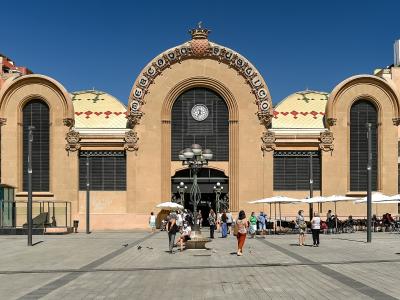
In practice, the best approach is to include it in a walk around the lower town on the way between the Mercat Central, the Rambla Nova and the Balcó del Mediterrani, and to look at the exterior. Check locally for access.
Categories
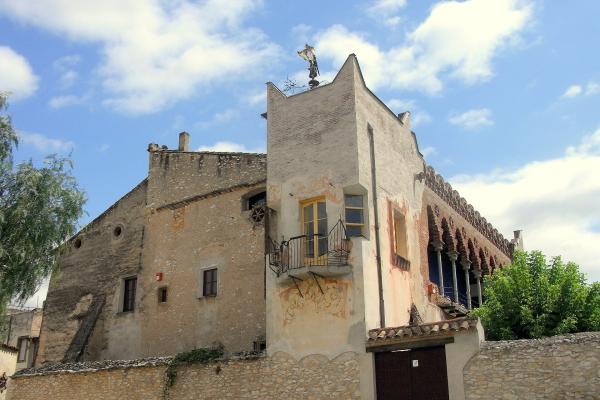
More photos coming soon
Questions people ask
Quick Facts
Best Time to Visit
May through June and September offer warm, dry weather ideal for exploring the city.