







Tarragona Cathedral
- Admission
- Free admission
- Hours
- Tuesday to Sunday, generally 10:00 AM to 5:00 PM or 7:30 PM
- Where
- Tarragona, Catalonia
- Directions
- Directions
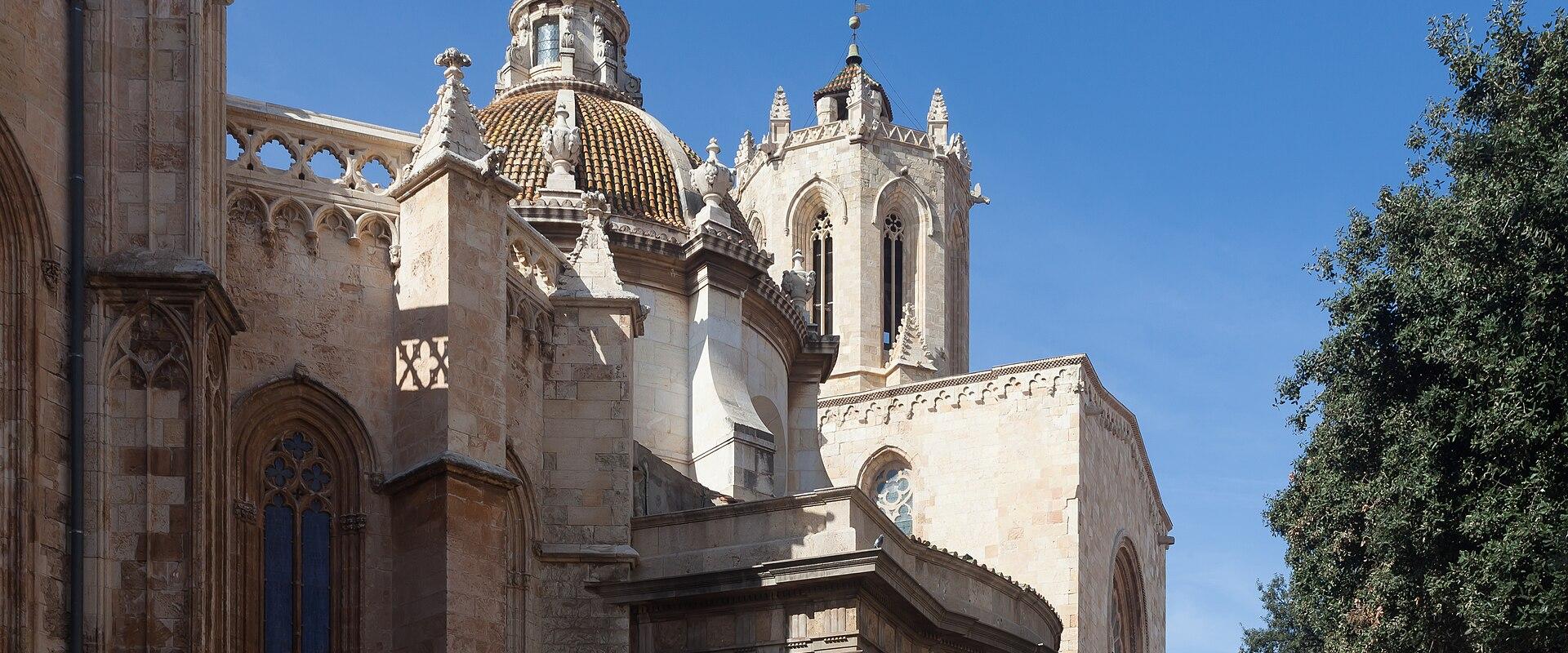
Tarragona Cathedral crowns the highest point of the old city, on a hill that has been a sacred site for more than two thousand years. The Romans built a temple here, in the upper part of their provincial capital Tarraco, in a position that was visible from the sea. Later the site held a church from the Visigothic era and a mosque, and after the reconquest of the city in the twelfth century, the archbishop began a new cathedral on the same hill, with work starting in the later part of the century and continuing for generations until it was consecrated in 1331. Reused Roman columns and carved fragments are built into the walls and cloister, which gives the building a layered feel.
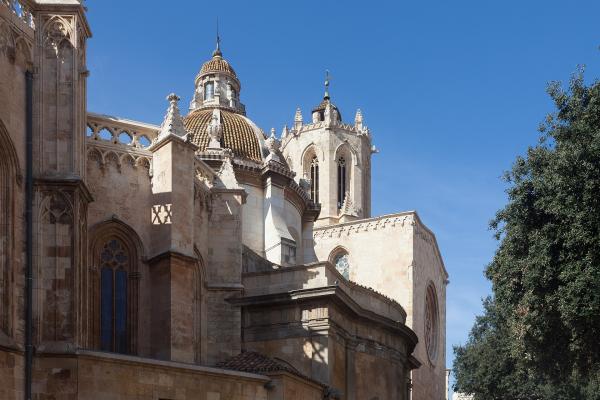
The church is a masterpiece of the transition from Romanesque to Gothic, and the two styles meet in a harmonious way. It has a basilica plan with a central nave and two aisles, ending in three apses, and the pillars rise to pointed vaults. The façade has a huge rose window, one of the largest in Spain, above a deep portal, with sculptures of the apostles on the jambs. A broad flight of steps leads up from the square to the entrance, and the setting at the top of the hill adds to the impression of grandeur.
Inside, the high altar holds a splendid alabaster retable dedicated to Saint Thecla, the patron saint of Tarragona, carved in the fifteenth century by the sculptor Pere Joan, one of the outstanding Gothic works in Catalonia. The side chapels contain altarpieces, tombs and other works from different periods, including a Renaissance chapel. The cloister, entered from the church, is a large and peaceful space with columns whose carved capitals show scenes from the Bible and from everyday life, and inscriptions and a mix of Romanesque and Gothic details.
A museum in the cathedral buildings, the diocesan museum, displays tapestries, textiles, paintings and liturgical objects. The cathedral is the centre of the festival of Santa Tecla in September, with giants, fire-runners and castells, the human towers for which Catalonia is famous. The surrounding streets of the old town, with their medieval houses and squares, lie below.
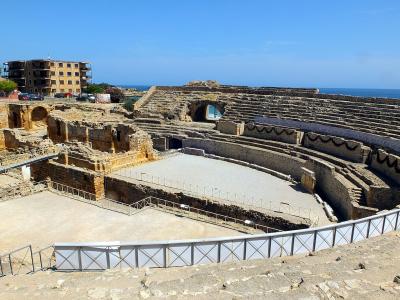
The cathedral is a short walk from the Roman Walls, the National Archaeological Museum and the Balcó del Mediterrani, a viewpoint over the sea, and the Roman Amphitheatre of Tarraco is close to the coast. It suits history and architecture lovers, and allows a good overview of Tarragona's two thousand years in one place. Allow an hour. Opening hours and ticket arrangements change by season, so check them before going.
Categories
More photos coming soon
Hours & Fees
- Open
- Tuesday to Sunday, generally 10:00 AM to 5:00 PM or 7:30 PM
- Admission
- Free admission
Hours and prices change, especially out of season. Check with the venue before you go.

Questions people ask
Quick Facts
Best Time to Visit
May through June and September offer warm, dry weather ideal for exploring the city.