
History
Tarragona’s history is a profound narrative of imperial power and cultural continuity, spanning over two millennia. Founded by the Romans as Tarraco, it served as the capital of the province of Hispania Citerior and later the capital of Hispania Tarraconensis. Its strategic location on the Mediterranean made it a vital hub for trade and military logistics. The city’s importance is evidenced by its designation as a UNESCO World Heritage Site for its Roman monuments. Following the fall of the Roman Empire, Tarragona remained a significant religious and political center under Visigothic and Moorish rule, before being reclaimed during the Reconquest. This layered history is visible in the architecture, where Roman foundations support medieval cathedrals and modern structures, creating a unique palimpsest of civilizations.
Main Attractions
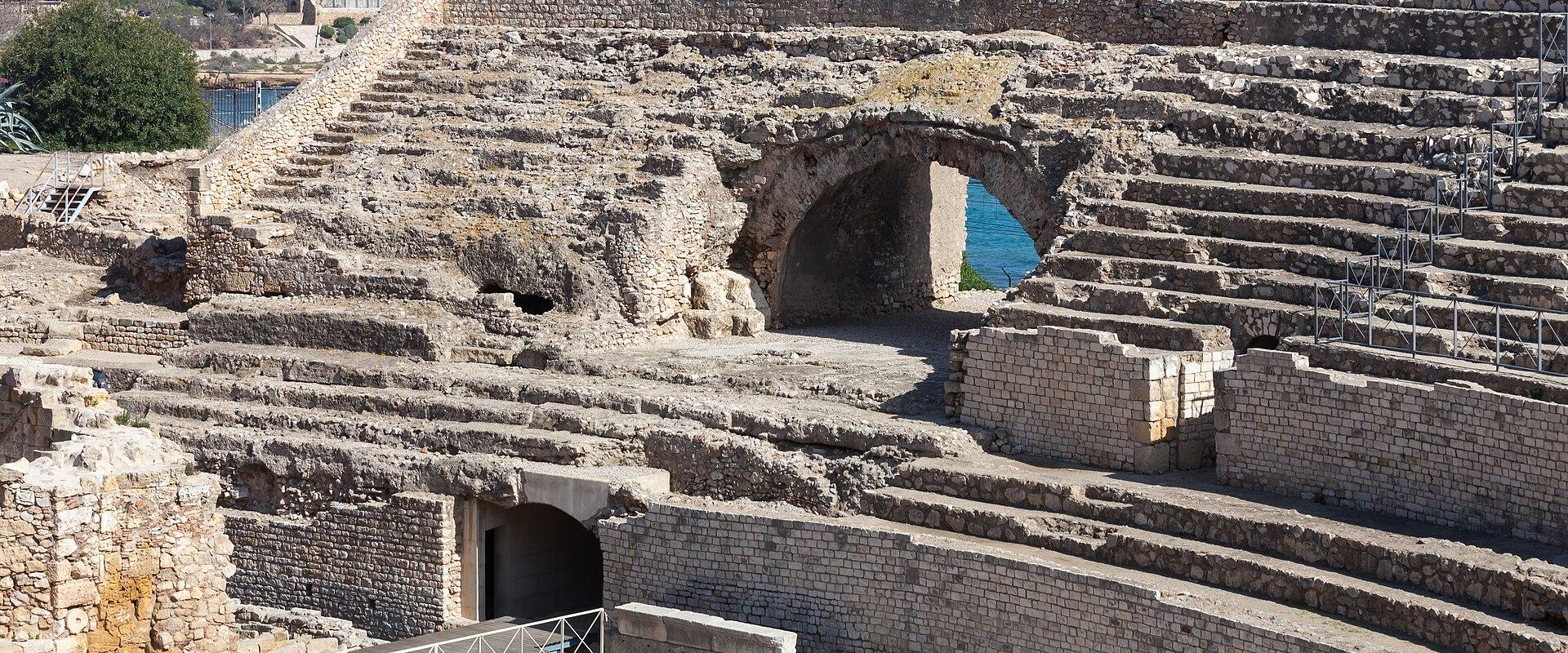
The primary attraction in Tarragona is the Roman Amphitheatre, located directly on the coastline. This 2nd-century structure, once used for gladiatorial games, offers stunning views of the Mediterranean and a tangible connection to the city’s imperial past. Nearby, the Roman Circus, one of the best-preserved in the world, provides insight into the chariot races that entertained ancient crowds. The Gothic Cathedral, built on the site of an ancient Roman temple, dominates the old town with its imposing facade and intricate interior. The Balcó del Mediterrani, or Balcony of the Mediterranean, offers panoramic views of the coast and is a popular spot for watching sunsets. These landmarks collectively showcase the city’s rich historical heritage and architectural diversity.
Activities
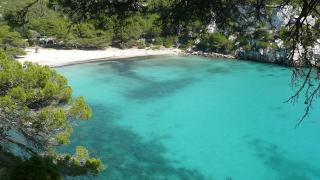
Visitors to Tarragona can engage in a variety of activities that highlight its cultural and natural offerings. Exploring the Old Town’s narrow streets and squares is a primary activity, allowing visitors to immerse themselves in the medieval atmosphere. The El Serrallo fishing port offers fresh seafood and a vibrant local scene. For those interested in history, the National Archaeological Museum of Tarragona provides a comprehensive overview of the region’s past. The city’s beaches, such as Platja del Miracle, offer opportunities for swimming and sunbathing. Additionally, the nearby Costa Daurada region provides access to other historical sites and natural parks, making Tarragona an ideal base for exploration.
Getting There
Tarragona is well-connected by rail and road. The city is located approximately 100 kilometers south of Barcelona, with frequent train services connecting the two cities in about one hour. The train station is centrally located, providing easy access to the historic center. For those traveling by car, the AP-7 highway offers a direct route from Barcelona and other major cities in Catalonia. Public transportation within the city is efficient, with buses connecting the main attractions. For those arriving by air, Reus Airport is the nearest, located about 30 kilometers away, with regular flights from various European destinations.
Best Time to Visit
The best time to visit Tarragona is during the spring (April to June) and autumn (September to October) months. During these periods, the weather is mild and pleasant, with comfortable temperatures ideal for exploring the city’s outdoor sites. The summer months can be hot and crowded, particularly in August, while the winter months are cooler but still mild. Visiting in September offers the added benefit of the Santa Tecla festival, a major local celebration. It is advisable to book accommodation in advance, especially during peak tourist seasons, to ensure availability.
Best time to visit
May through June and September offer warm, dry weather ideal for exploring the city.
What to see in Tarragona
Our picks first.

Museu d'Art de Tarragona
Museums & Culture
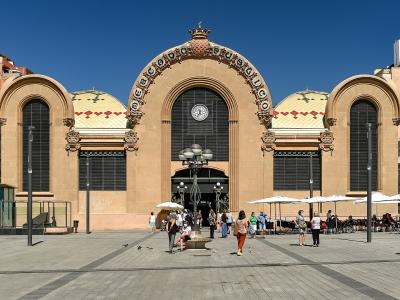
Mercat Central
Architectural Heritage · Markets
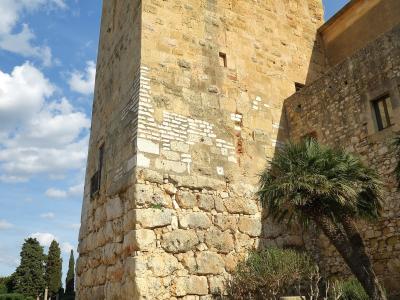
Roman Walls (Muralla Romana)
From €5 Architectural Heritage · Historic Walls
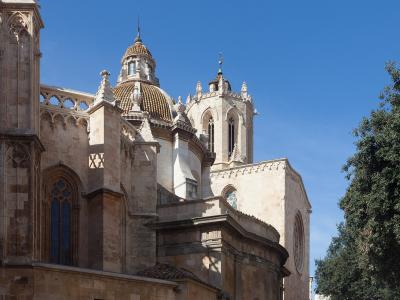
Tarragona Cathedral
Free Historic Heritage · Architectural Heritage
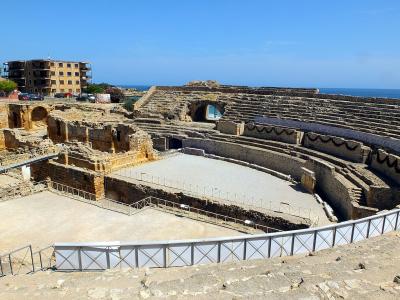
Roman Amphitheatre of Tarraco
Ancient Ruins · Archaeological Museums
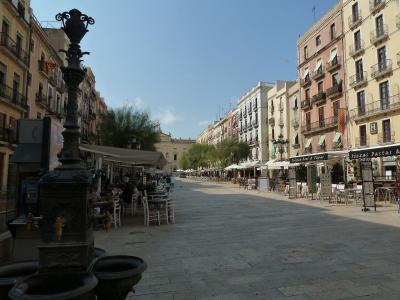
Plaça de la Font
Historic Heritage · Urban Exploration
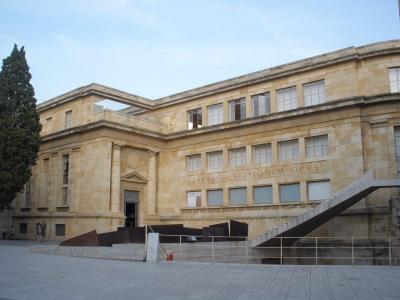
National Archaeological Museum of Tarragona
Archaeological Museums
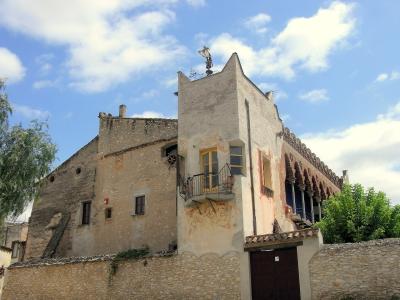
Casa del Poble
Museums & Culture · Urban Exploration
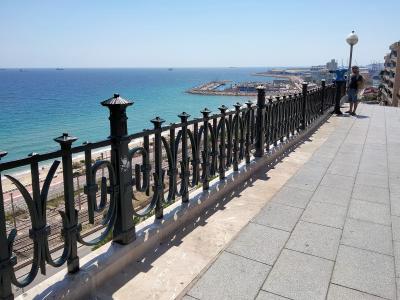
Balcó del Mediterrani
Coastal Views · Urban Landmarks
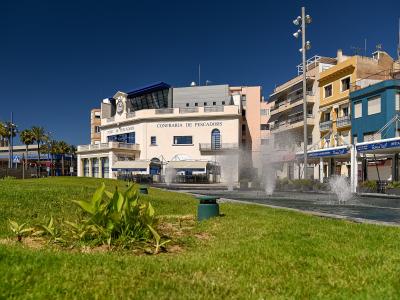
El Serrallo
Free City Centers · Coastal Views
Tarragona by interest
The same sights, grouped by what you came for.
Did you know?
Checked facts about Tarragona, each with its source.
-
History
The 1978 Los Alfaques Disaster
On July 11, 1978, a tragic accident occurred near Tarragona involving a road transport of liquefied gas, which resulted in 217 fatalities.
Source: m.imdb.com
Planning a visit to Tarragona
Itineraries that include Tarragona
Good to know
- Currency
- EUR
- Language
- Spanish