







Roman Walls (Muralla Romana)
- Admission
- €5
- Hours
- Daily 9:00 AM – 6:30 PM (Closed Mondays). Summer hours (e.g., 17–30 August) are 9:00 AM –...
- Where
- Tarragona, Catalonia
- Directions
- Directions
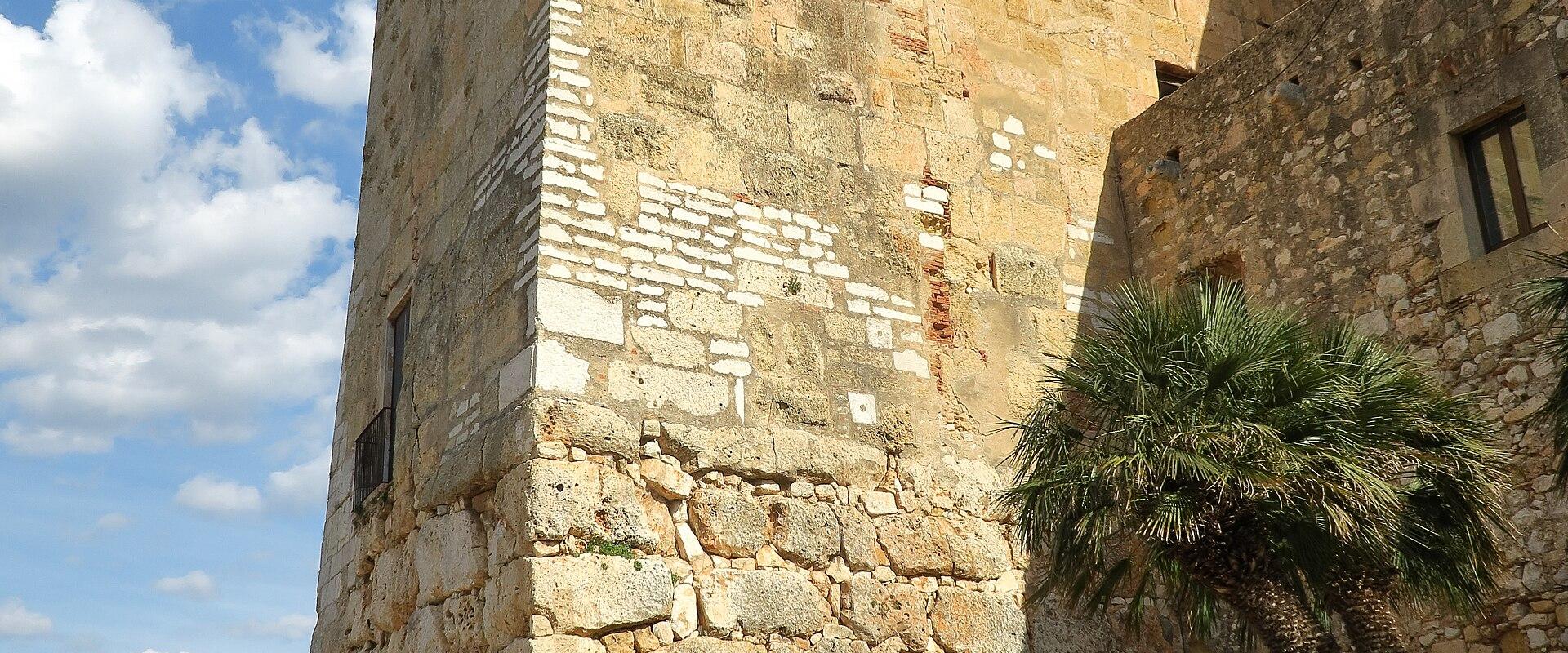
The Roman Walls (Muralla Romana) of Tarragona are the remains of the defences of ancient Tarraco, called Tárraco in Spanish, the Roman city that became the capital of the province of Hispania Tarraconensis, and they are part of the Archaeological Ensemble of Tarraco, which UNESCO listed in 2000. The wall was begun in the late third century BC, when the Scipio brothers used the site as a base during the war against Carthage. The lowest courses are built of huge irregular blocks of stone, often called megalithic or cyclopean, fitted together without mortar, and the upper parts were added by the Romans in later centuries with smaller, regular stonework. The full circuit was about three and a half kilometres long, and sections of it remain standing around the old town.
The visitor route follows about a kilometre of the wall on the Passeig Arqueològic, a landscaped path set between the ancient wall and the later defences. The route starts near Rambla Vella and passes under towers and bastions that show different periods of building. Walking along it, you can see how the wall was rebuilt after centuries of attacks, adapted for artillery in the eighteenth century, and used as a base for houses and gardens. The ancient and the later defences stand side by side, giving a view of two thousand years of military engineering in one stretch.
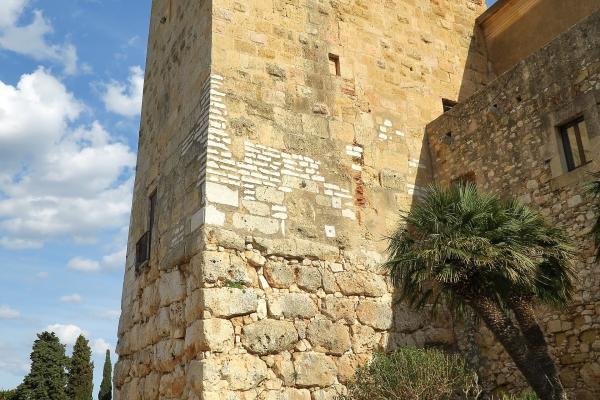
Two towers stand out. The Torre de l’Arquebisbe, the Archbishop’s Tower, was a Roman tower that was altered in the medieval period and later became part of the archbishop’s palace, so it shows both Roman and medieval stone. The Torre de Minerva, the Minerva Tower, takes its name from a relief of the goddess Minerva built into the wall, which is considered one of the oldest Roman sculptures in the Iberian Peninsula, along with an early inscription. Two original posterns, small side doors in the wall, survive and give a sense of how the defenders moved in and out.
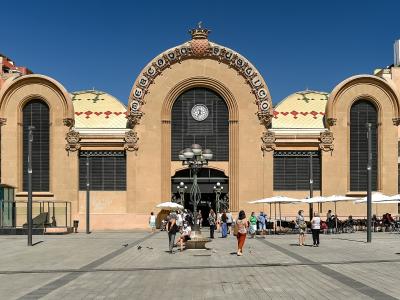
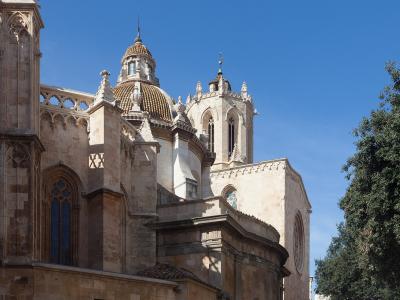
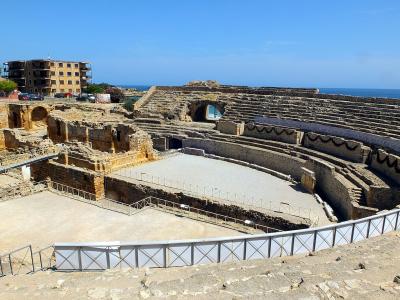
The walls are close to the cathedral, in the upper part of the old town, and the Roman Amphitheatre by the sea, the Mercat Central and the National Archaeological Museum of Tarragona are a short walk away. The Balcó del Mediterrani, a lookout above the sea, is at the end of the Rambla Nova, and the quarter of El Serrallo, the old fishermen’s area, is down by the harbour.
The site is open most days and closed on Mondays, and a small fee is charged for entry. The summer hours may be shortened, so check the schedule. A visit takes around an hour, and the shade is limited, so bring a hat in summer.
Categories
More photos coming soon
Hours & Fees
- Open
- Daily 9:00 AM – 6:30 PM (Closed Mondays). Summer hours (e.g., 17–30 August) are 9:00 AM – 2:30 PM.
- Admission
- €5
Hours and prices change, especially out of season. Check with the venue before you go.
Nearby Attractions
Other places to visit in Tarragona

Questions people ask
Quick Facts
Best Time to Visit
May through June and September offer warm, dry weather ideal for exploring the city.