







Castro de Elviña
- Admission
- Free admission
- Where
- A Coruna, Galicia
- Directions
- Directions
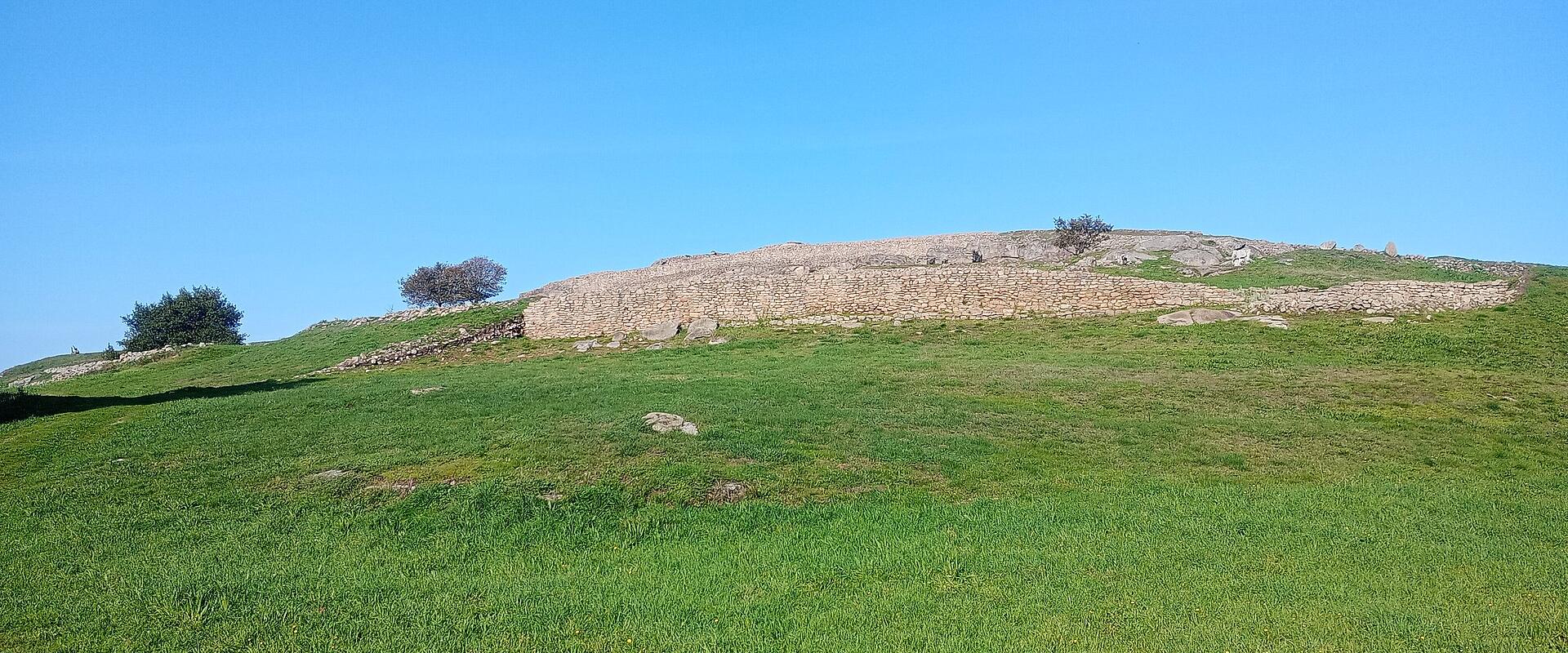
The Castro de Elviña is an Iron Age hillfort on the edge of A Coruña, Spain, on the slopes of the Monte da Zapateira, close to the University of A Coruña campus of Elviña. A castro is the type of fortified village characteristic of Galicia and northern Portugal in the centuries before and during Roman rule, and it belongs to what archaeologists call the Castro culture (Castreño), a people usually described as Celtic in language and tradition. People lived at Elviña from around the third century BC until the fourth century AD, which means that the settlement outlasted the Roman conquest and continued under Roman rule, and it is regarded as one of the largest castros in the north of Galicia.
The layout is a good example of how these places were defended. The settlement covers more than four hectares on the top and the slopes of a hill, and it is enclosed by three concentric ramparts or walled enclosures, one inside the other, so that attackers had to break through several lines. A monumental entrance flanked by large towers or bastions led into the village, and within the walls archaeologists have found the remains of round and oval stone houses, paths and areas of work. The structure of the settlement shows an organised community that could build substantial defences and live in a densely packed village.
The finds from excavations at the site, including pottery, tools, ornaments and other objects, are kept in the Museo Arqueolóxico e Histórico, the San Antón Museum at the Castelo de San Antón in the city centre. The most celebrated item associated with the area is a hoard known as the Tesouro de Elviña, a reminder that these communities had skilled craftsmen. A visit to the museum helps to fill in what is no longer visible on the hill, since the castro itself consists mainly of low walls and foundations, with grass and vegetation covering much of it.
The visit is organised as a guided tour, and places are limited, so it is necessary to make a reservation in advance through the museum. The tours run at set times on certain days of the week and month, which differ between summer and winter, and groups are kept small. Admission is free, but the reservation is compulsory. Check the current timetable and booking details before travelling, since arrangements change.
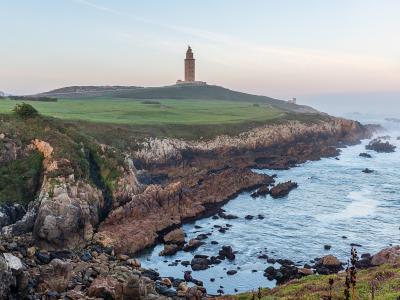
From the top of the hill, there are broad views over the city, the valleys and the surrounding hills, which helps to explain why the site was chosen. The Tower of Hercules, the seafront promenade and the old town of A Coruña are all within reach in the same day, so the castro can be combined with the city’s Roman and later heritage. Wear sturdy shoes, since paths are uneven, and bring a light waterproof, because Galician weather is changeable.
Categories
More photos coming soon
Admission Fees
- Admission
- Free admission
Hours and prices change, especially out of season. Check with the venue before you go.
Questions people ask
Quick Facts
Best Time to Visit
June through September offers warm, dry weather ideal for exploring the coastal city.