







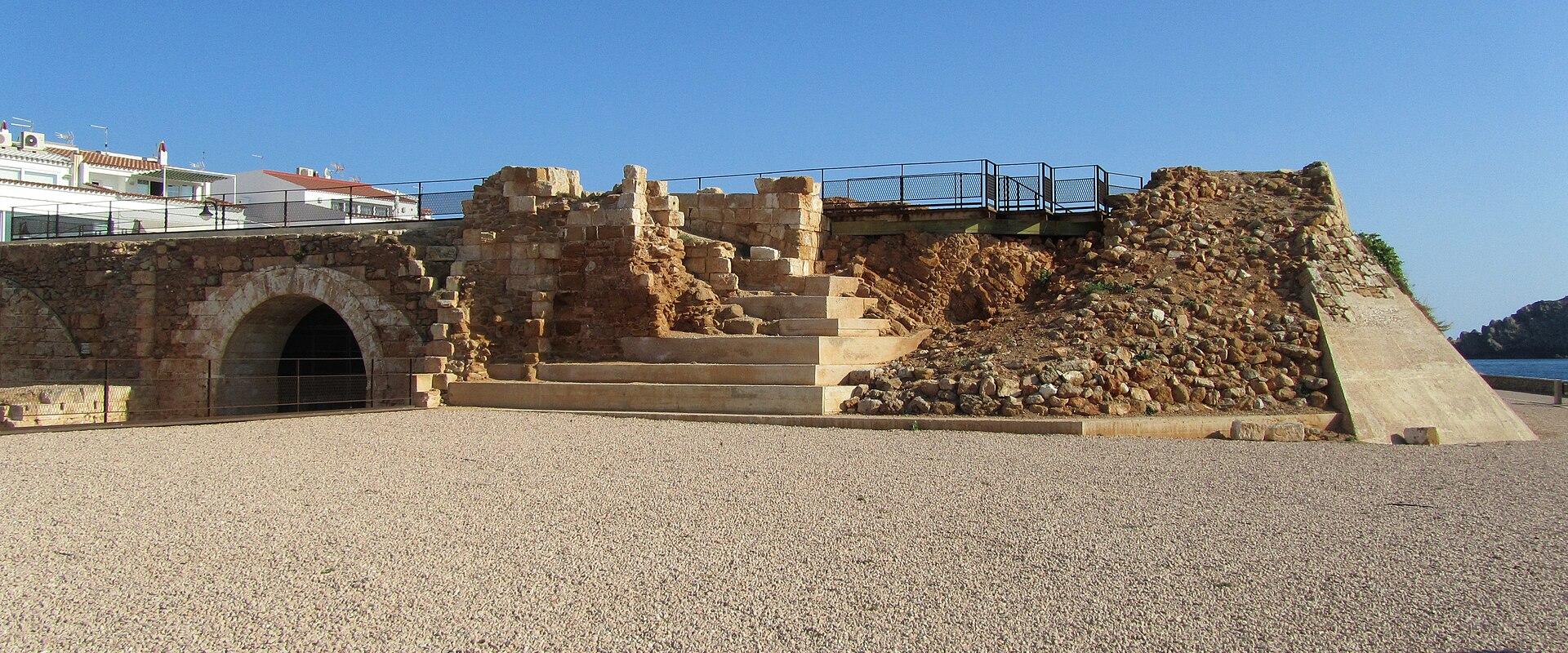
Es Castell de Sant Antoni
- Where
- Menorca, Balearic Islands
- Directions
- Directions
Fornells is a quiet fishing village on the north coast of Menorca, set on one of the largest natural harbours of the island, a long bay that cuts deep into the land. Because the bay was sheltered and easy to enter, it was both useful and vulnerable, and for centuries the island's rulers tried to defend it. The Castell de Sant Antoni, the Castle of Saint Anthony, was one of the defences. Construction began in the seventeenth century, in the reign of Philip IV of Spain, at a time when pirate raids and the threat of Ottoman fleets were a constant danger on the Balearic coasts. It was built to guard the mouth of the harbour, and it played a part in the early life of the village, since settlement tends to grow where a garrison provides protection.
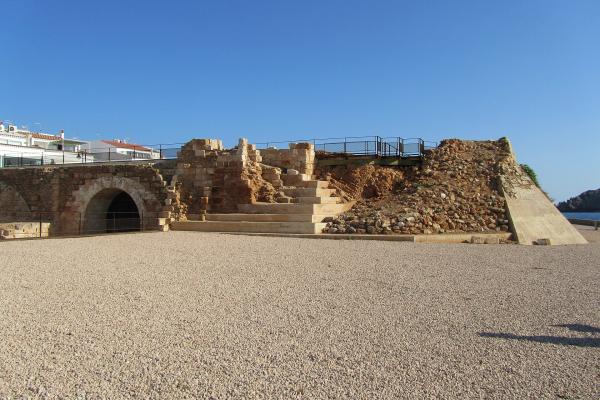
Only ruins remain today. Menorca changed hands several times in the eighteenth century, passing between British, French and Spanish control, and the defences of the island suffered in these struggles. Fornells' fortress was taken apart after the island changed hands, in a process similar to the demolition of the much larger San Felipe Castle at Mahón, which the Spanish levelled in the late eighteenth century. What stands now is a low outline of walls and foundations on a rocky point beside the water. The site is protected as a Bien de Interés Cultural, the highest category of heritage listing in Spain, and its remains give an impression of how a small coastal fort was laid out.
A later defensive structure, the Torre de Fornells, a round stone tower from the early nineteenth century, stands on the other side of the harbour mouth and is better preserved. Together they give a sense of how this stretch of coast was guarded across the centuries. The tower can be visited, and it houses a small display on the history of the area.
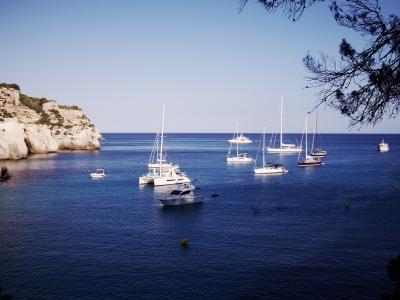
For visitors, the ruins are more about the setting than about the stones. The walk along the shore gives views over the bay, with sailing boats at anchor and the low, whitewashed houses of Fornells behind. The village is known for a particular dish, the caldereta de langosta, a lobster stew that is the signature of the north coast, and restaurants along the waterfront serve it. The bay is popular for sailing and windsurfing.
The site is open and free. It suits anyone who likes to combine a short walk with history, and it works well in the late afternoon, when the light is soft. From Fornells you can reach the northern coast, Cala Pregonda and the Cap de Menorca area by road.
Categories
More photos coming soon
Questions people ask
Quick Facts
Best Time to Visit
May through September offers warm, dry weather ideal for swimming and beach activities.