







Iglesia de San Francisco
- Where
- A Coruna, Galicia
- Directions
- Directions
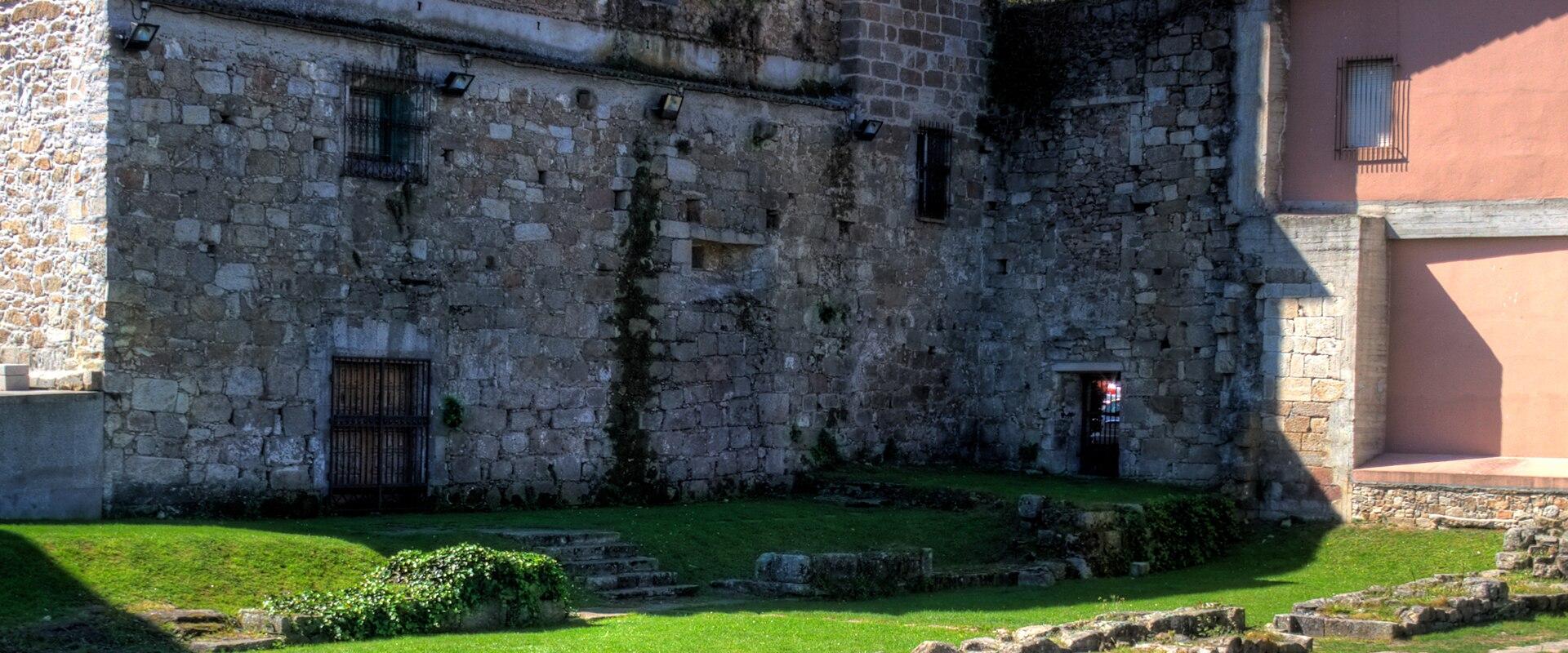
The Iglesia de San Francisco is part of the old town of A Coruña, the Ciudad Vieja, a quiet district of small squares, churches and gardens above the harbour, and it is one of the places where the medieval history of the city can be traced. A Franciscan convent was established in this part of the city in the thirteenth century, according to local tradition after a visit by Saint Francis himself on his way to Santiago de Compostela. The Gothic church and the buildings around it grew over the following centuries, and the complex was important enough to host the most significant event in the city's history: the meeting of the Cortes of Castile in 1520.
That gathering took place when the young King Charles I of Spain, soon to become the Emperor Charles V, was preparing to sail from A Coruña to Germany to be crowned emperor. He called the Cortes to the city to ask for money to pay for the journey, and the demands caused anger in the cities of Castile, helping to set off the revolt of the Comuneros. Whatever the details, the convent of San Francisco is remembered as the setting where the assembly met, which gives the site a place in the political history of Spain. Today, little remains of the old convent apart from walls and parts of the church, with a bell tower, so the visit is a short, thoughtful stop rather than a long tour.
Some of the carved stone details are notable. One capital shows an early form of the arms of Castile and León, the castle and lion that became the emblem of the Spanish crown, and floral decoration adorns other capitals. The building has been altered by later uses and changes, including a long period when the convent buildings served military purposes, so many of the features have been lost. The interior is calm, with high stone walls and a sober atmosphere.
The church lies in the old town near the Plaza de Carlos I and a short walk from the Jardín de San Carlos, a small garden built on a bastion of the old walls, which holds the tomb of Sir John Moore, a British general killed at the Battle of Elviña in 1809 during the Peninsular War. The streets around hold other old churches, such as the Collegiate Church of Santa María del Campo and the Church of Santiago, as well as restaurants and small squares.
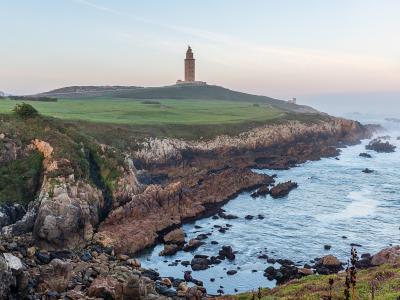
It suits history lovers and those who enjoy quiet corners of a city. From here, the Plaza de María Pita, the Mercado Central and the Paseo Marítimo are within walking distance, and the Tower of Hercules lies farther along the coast. Check the opening hours locally, as small historic churches often open at limited times.
More photos coming soon
Questions people ask
Quick Facts
Best Time to Visit
June through September offers warm, dry weather ideal for exploring the coastal city.