







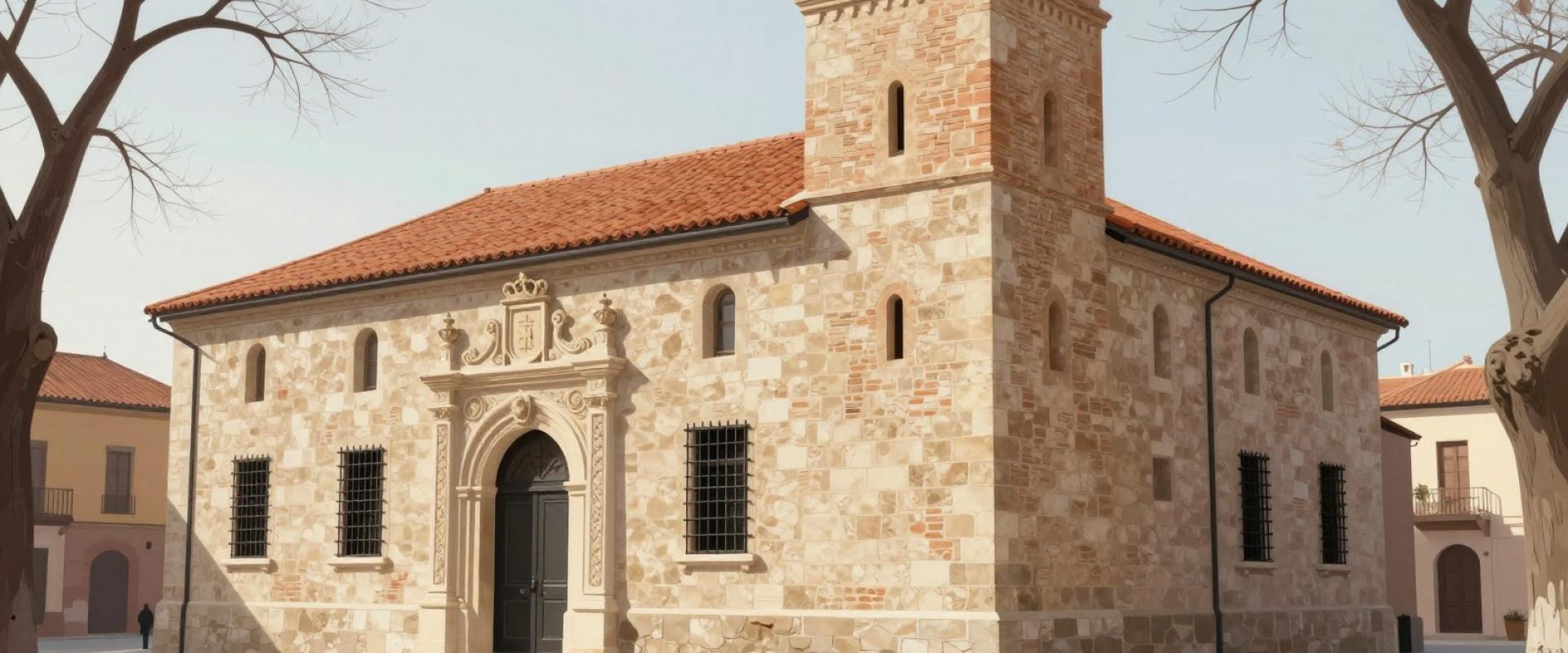
Iglesia de San Juan de los Caballeros
- Where
- Zamora, Castile and León
- Directions
- Directions
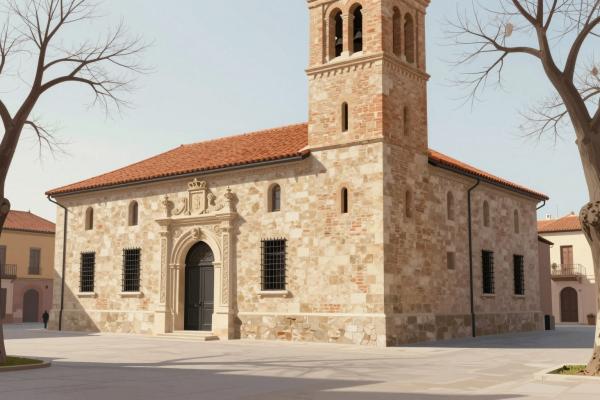
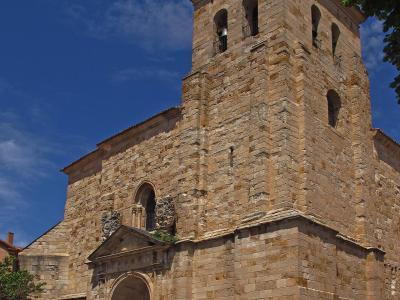
The Iglesia de San Juan de los Caballeros is a Romanesque church in Zamora, standing in a quiet area near the castle and the old city walls, on the edge of the old town. Zamora has more Romanesque churches than almost any other city in Europe, with over twenty built in the twelfth and thirteenth centuries, and this is one of the most charming. It is dedicated to Saint John, and the name refers to the knights, the caballeros, who were associated with the church in the Middle Ages. The building was altered over the centuries, and it was restored in the twentieth century to bring back its medieval character.
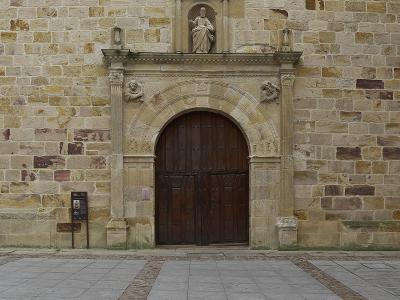
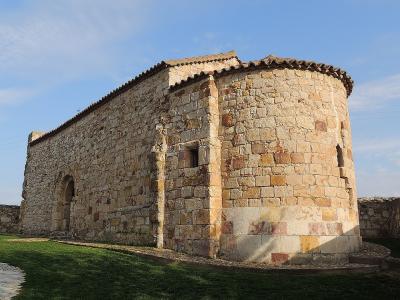
The church is built of stone in the typical Zamora manner, with a basilica plan of three naves separated by round arches on cylindrical pillars, and a simple, strong exterior. The arches, thick walls and small windows are characteristic of the Romanesque, and the interior has the quiet, austere atmosphere of that period. The portal, in carved stone, shows the decorative details of the style, and the church has an apse at the east end. Although it stands somewhat outside the main walls, it was integrated into the life of the city, and it belongs to a group of churches that mark the layout of medieval Zamora.
The church is closely linked to local tradition. Zamora figures in a famous story from the eleventh century, the siege of the city by King Sancho II of Castile, in which the king was killed by a traitor, Vellido Dolfos, and the episode inspired the Romancero, the old Spanish ballads that tell of the Cid and the siege. The Romancero Zamorano is part of this heritage, and the old quarter around the church is associated with such tales. A visit gives you a chance to connect the stones with the stories.
Today the church is also home to the Museo Baltasar Lobo, which displays works by the sculptor Baltasar Lobo, a Zamora-born artist who lived most of his life in Paris and was a friend of Picasso. His smooth, rounded figures of mothers and children are shown in the church's naves, and the contrast between the medieval stone and the modern sculpture is memorable. The museum's hours may differ from those of the church, so check before you go.
The church is a short walk from the Iglesia de San Ildefonso, the Colegiata de Santa María la Mayor, the Parador de Zamora and the Museo de Zamora, as well as the banks of the Duero. It suits lovers of Romanesque art and quiet places. Zamora's Holy Week processions, among the most solemn in Spain, draw visitors in spring.
Categories
More photos coming soon
Nearby Attractions
Other places to visit in Zamora
Questions people ask
Quick Facts
Best Time to Visit
May through September offers warm, dry weather ideal for exploring the city.