







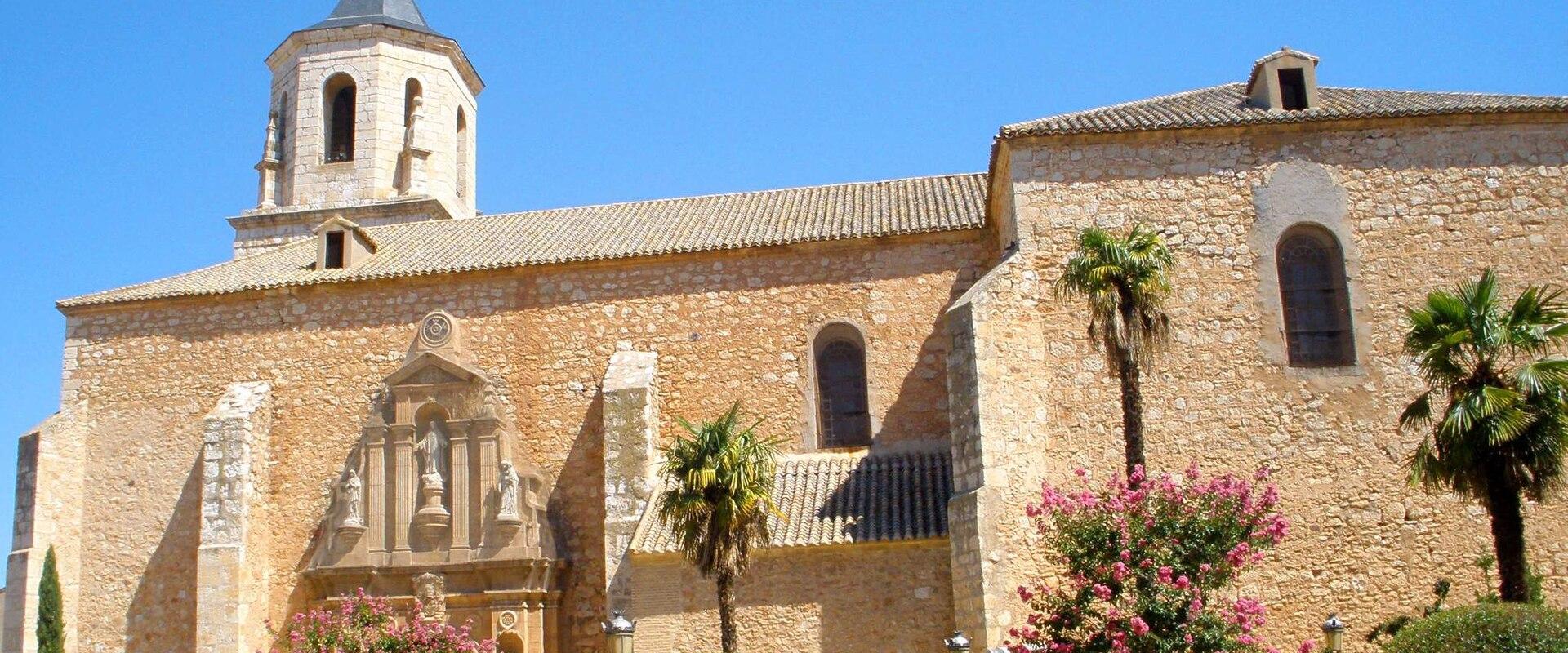
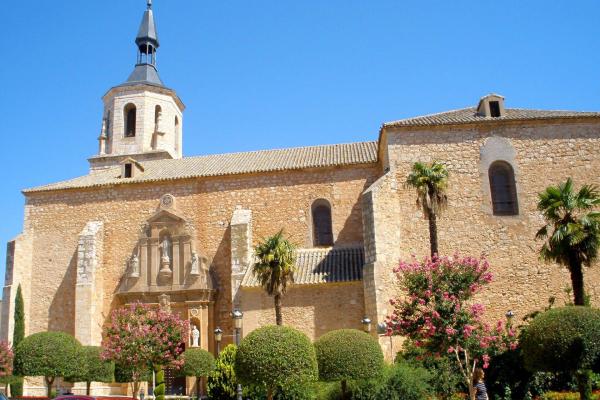
Iglesia de San Pedro Apóstol
- Admission
- Free admission
- Where
- Ciudad Real, Castile-La Mancha
- Directions
- Directions
The Iglesia de San Pedro Apóstol is one of the main Gothic churches of Ciudad Real, in La Mancha, and it dates from the later Middle Ages, when the city was growing under royal patronage. It stands at Calle General Rey, in the old town, and it was built mainly in the fourteenth century and extended in the fifteenth. The sources available for this guide disagree on the names of the builders and patrons, and one account gives an unusual name for a military confraternity, which cannot be confirmed here, so the history is given in general terms: a parish church paid for by the local nobility and townspeople as the city prospered.
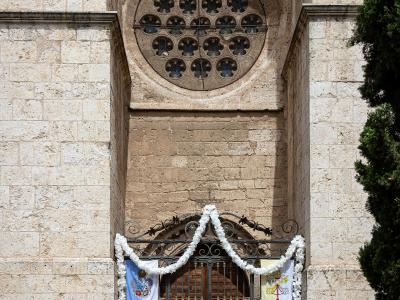
The building follows the Gothic style of Castile. Its porticos and windows have pointed arches, the interior is simple and well proportioned, and the proportions give the church a sober dignity, appropriate to a town on the plain. The exterior is built of local stone and brick, as is common in La Mancha, where fine building stone is scarce. Like many churches in the region, it has been altered at various times, and some chapels and furnishings date from later periods.
The most interesting section is the Capilla de los Coca, a chapel of the late fifteenth century. It is known for its Hispano-Flemish (Hispano-Flamenco) style, a blend of Spanish and Flemish art that was fashionable in the period when Flemish painters and sculptors influenced Spain. The chapel contains an alabaster altarpiece, a retablo, carved with fine detail, and a tomb of a member of the Coca family, with a lifelike sculpted figure. The alabaster has a warm, glowing quality, and the chapel shows the wealth of a noble family of the time.
The church is a working parish church, and opening hours for visitors are limited, especially outside the main season. The times given for visits are short, in the morning and evening, and on Sundays the church is occupied with services, so plan ahead. Admission is free, and visitors are expected to behave quietly and respectfully.
Ciudad Real itself was founded in the thirteenth century by King Alfonso X, and the church is one of several historic buildings in the centre. The Cathedral of Ciudad Real, the Museo de Ciudad Real and the Casa de la Cadena are within walking distance, and the medieval Puerta de Toledo is another landmark. The Parque de la Ciudadela provides a green space nearby. Ciudad Real is also close to the windmills and villages associated with Don Quixote, such as Campo de Criptana, which is a separate excursion by car.
Categories
More photos coming soon
Admission Fees
- Admission
- Free admission
Hours and prices change, especially out of season. Check with the venue before you go.
Nearby Attractions
Other places to visit in Ciudad Real
Questions people ask
Quick Facts
Best Time to Visit
May through October offers pleasant weather, ideal for exploring the region's cultural sites.