







Museo de Ciudad Real
- Where
- Ciudad Real, Castile-La Mancha
- Directions
- Directions
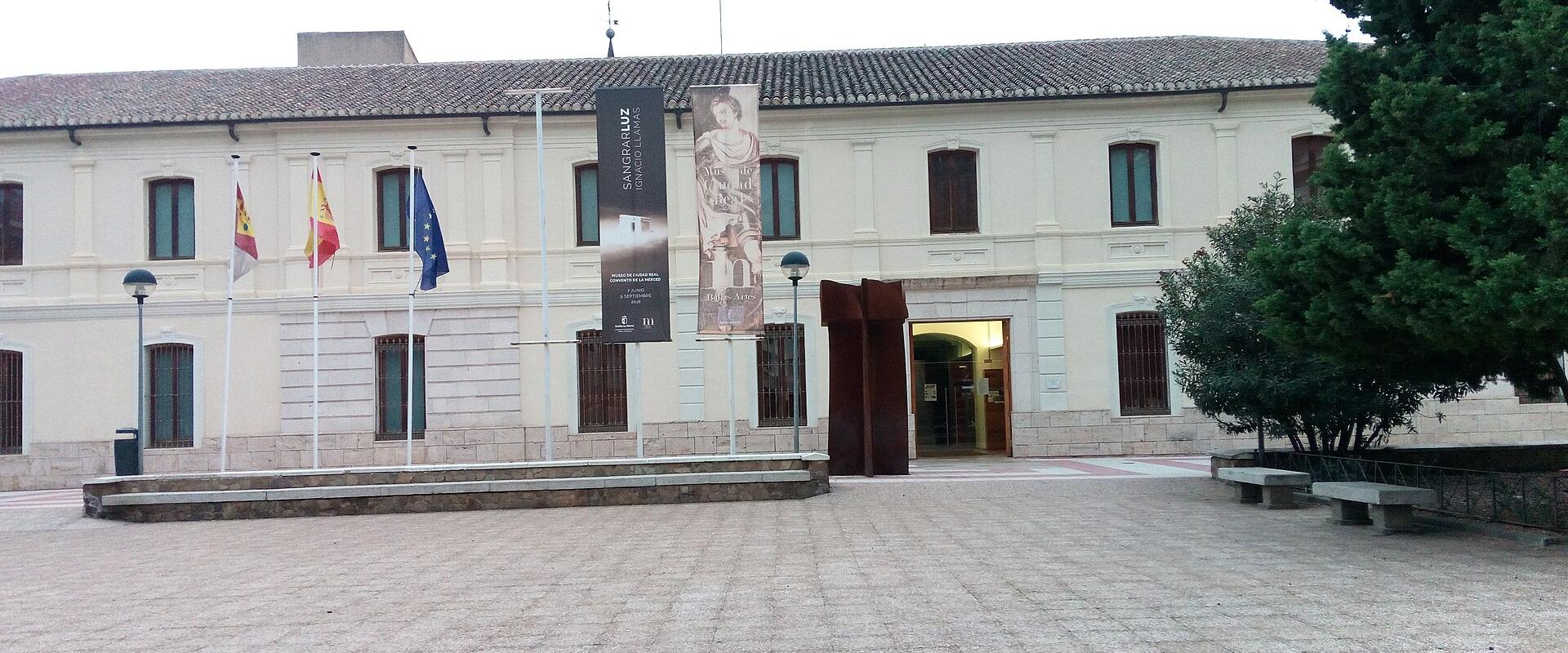
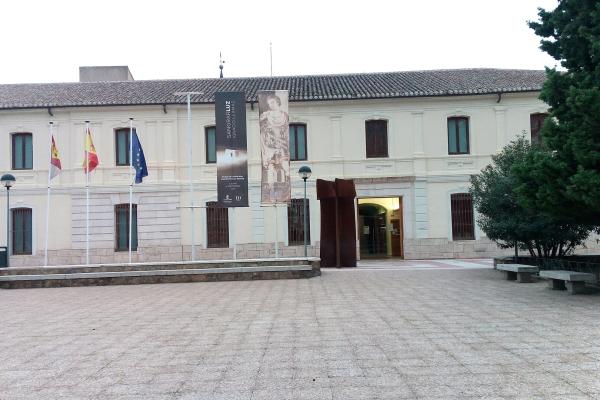
The Museo de Ciudad Real is the city's museum of natural and cultural history, and it is best known for a paleontology collection that is unusual in a provincial museum. It works on two sites: the main building on Calle del Prado holds the archaeological and paleontological collections, while the fine arts are displayed in the former Convento de la Merced, a short walk away. The two together give a view of the region of La Mancha from the deep past to the present, and the museum is a good starting point for understanding the land south of Madrid before heading out into it.
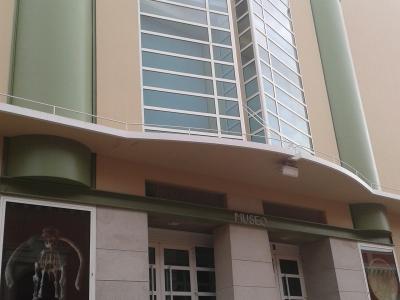
The paleontology section is the most surprising. The rocks of the province of Ciudad Real record a very long span, from the oldest periods of the Paleozoic era, including the Cambrian, to the recent Quaternary, and the displays include fossils from this whole range. Among the highlights is a reconstructed skeleton of Anancus arvernensis, an extinct relative of the elephants with long straight tusks, whose remains were found in the region, and the museum also shows remains of an extinct rhinoceros, Stephanorhinus etruscus. These animals lived here when the landscape was very different, with lakes, rivers and wooded plains, and the skeletons give a vivid sense of the scale of ancient life.
The archaeological collection covers human history from prehistory to the medieval period. Highlights include pottery of the Bell Beaker culture, stone arrowheads and tools, and an Iberian sphinx, one of the carved stone figures that guarded the tombs and sanctuaries of the Iberian peoples. Bowls and other ceramics from the Almohad period, when the region was under Muslim rule in the twelfth century, show how daily life changed through the ages. The area was a frontier for centuries, with the military orders of Calatrava holding castles and fortresses in the hills.
The fine arts section, in the Convento de la Merced, shows paintings and sculpture by local and regional artists, and it provides a different view of local culture. The convent buildings add atmosphere, and the cloister is calm.
The museum is close to the Cathedral of Santa María del Prado and the Mudéjar Puerta de Toledo, and the Plaza Mayor is a short walk away. In the surrounding area, the windmills of Campo de Criptana and the archaeological park of Alarcos are other places to explore. It suits families, school groups and travellers interested in science and history. Check the current opening days and hours before going, as it keeps a regular but limited schedule.
More photos coming soon
Nearby Attractions
Other places to visit in Ciudad Real
Questions people ask
Quick Facts
Best Time to Visit
May through October offers pleasant weather, ideal for exploring the region's cultural sites.