







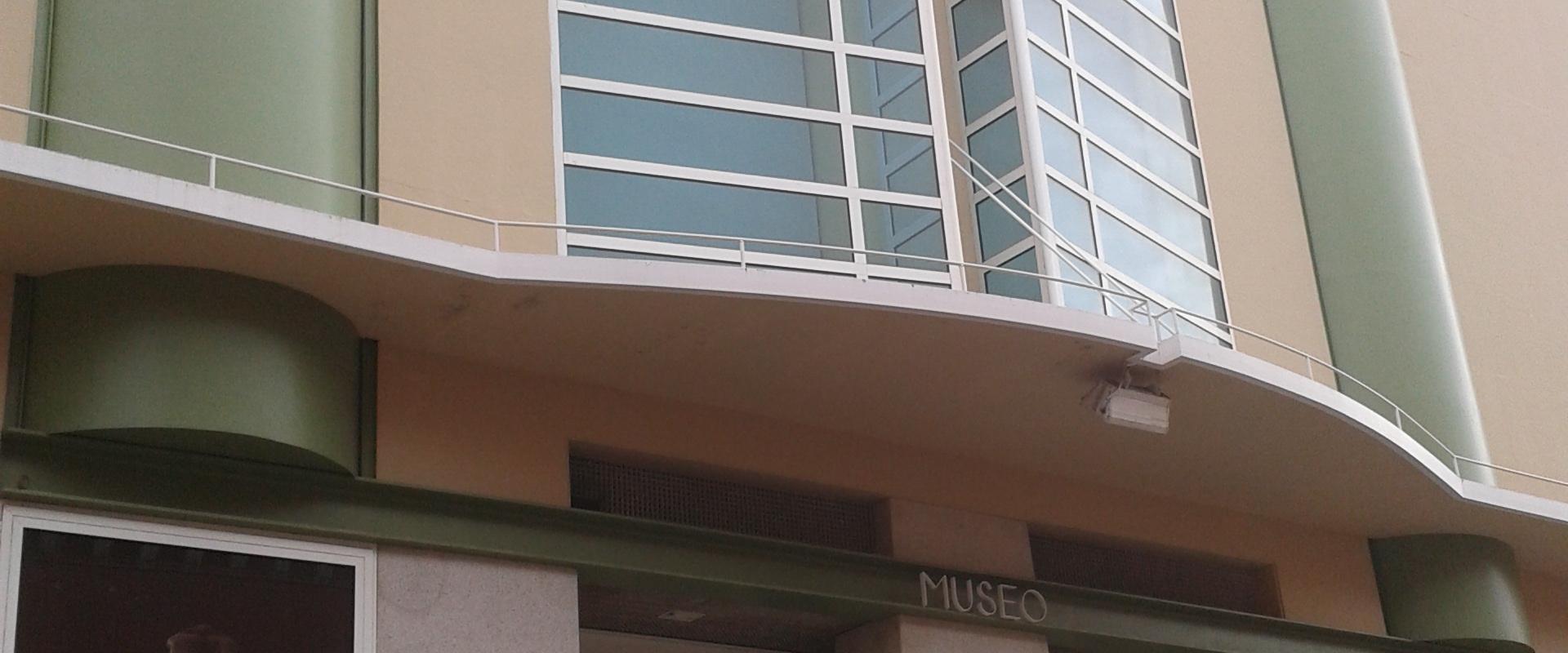
Museo de la Ciudad Real (Casa de la Cadena)
- Where
- Ciudad Real, Castile-La Mancha
- Directions
- Directions
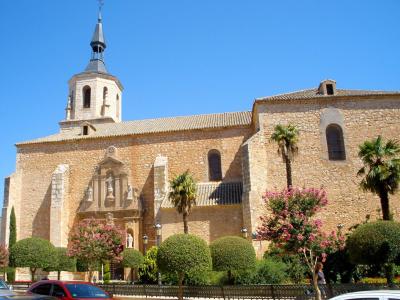
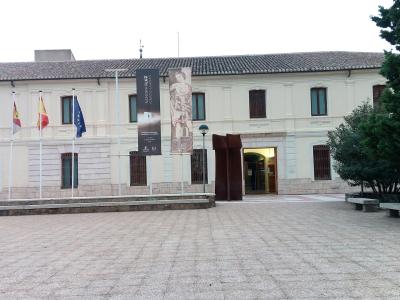
Ciudad Real is the capital of its province in La Mancha, the high, flat country made famous by Don Quixote, and its museum is the place to learn about the layers of history beneath those plains. The Museo de Ciudad Real is the city's main museum of archaeology, paleontology and ethnography. It occupies the Casa de la Cadena, a seventeenth-century noble house, and the Convento de la Merced, a former convent where part of the collection is displayed. As the museum's different sections are in separate historic buildings, it helps to confirm which site you are visiting.
The archaeological collection tells the story of the province from the oldest human traces to the Roman period. La Mancha was not an empty land in prehistory: the Bronze Age left remarkable fortified settlements known as motillas, which are artificial mounds of earth and stone with defensive walls, wells and storerooms, and the Motilla del Azuer is the best-known example. The museum presents pottery, tools, weapons and ornaments from these communities, as well as material from Iberian and Roman sites. Finds from local excavations illustrate trade routes and daily life, including coins, jewellery and household items.
Paleontology is a less common feature in a provincial museum, and it adds an unusual dimension. The volcanic landscape of the Campo de Calatrava, to the south of Ciudad Real, and the sediments of the region have preserved fossils, and displays explain how the land changed over millions of years. The ethnographic section focuses on traditional rural life in La Mancha: farming, shepherding, crafts, pottery and clothes, as well as the cuisine and festivals that survive today.
The museum is a good introduction before exploring the city and its surroundings. Ciudad Real was founded in the thirteenth century by King Alfonso X, who named it Villa Real, and its medieval layout survives in parts. The Mudéjar Puerta de Toledo, a gate from the fourteenth century, and the Cathedral of Santa María del Prado are among the main monuments. In the surrounding countryside, the windmills of Campo de Criptana and the Motilla del Azuer are well known, so the museum complements a trip into La Mancha.
It suits history lovers, families and travellers who like to understand a place before seeing it. A visit usually takes an hour or so. As the museum's arrangements, opening days and exhibitions change, check the official channels before going.
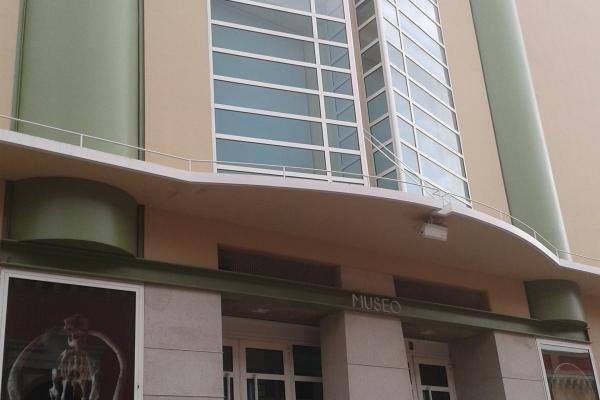
More photos coming soon
Nearby Attractions
Other places to visit in Ciudad Real
Questions people ask
Quick Facts
Best Time to Visit
May through October offers pleasant weather, ideal for exploring the region's cultural sites.