







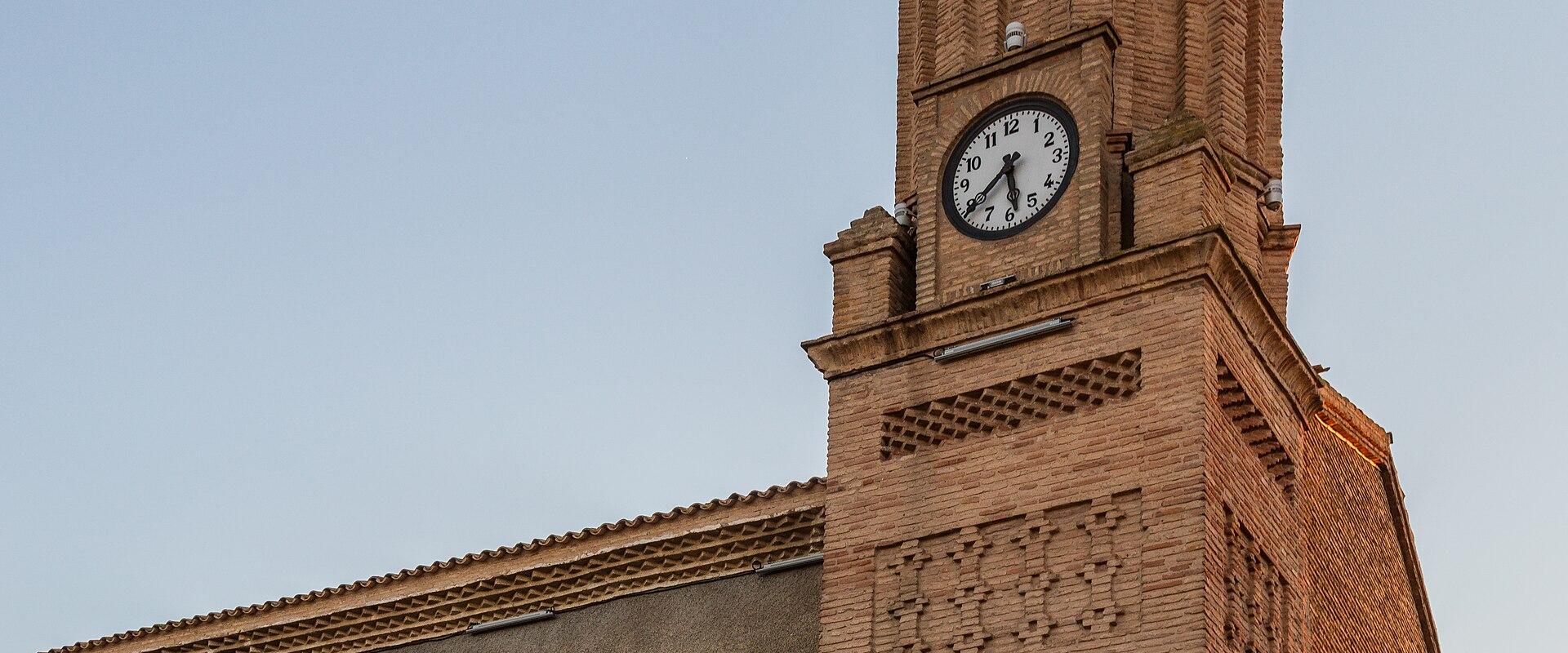
Iglesia de San Pedro Mártir
- Where
- Zamora, Castile and León
- Directions
- Directions
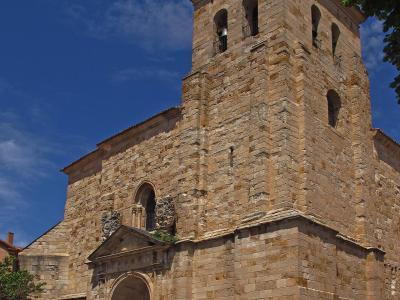
The church of San Pedro y San Ildefonso stands in the Plaza de San Ildefonso, in the Old Town of Zamora. The church lies close to the Calle de los Francos, one of the main streets of the old quarter, and it is considered the most important religious building in Zamora after the Cathedral.
The church began in the Romanesque period. Its origins are usually placed in the eleventh century and associated with the reign of King Fernando I of León and Castile, and it is said to stand on the site of an earlier church. At one time it was the largest church in the city, with three naves. Over the following centuries, it was modified repeatedly, and from the fifteenth century on, the interior was rebuilt so that a single wide nave under a high, elongated pointed vault replaced the original structure. As a result, the church combines Romanesque survivals with Gothic and later work.
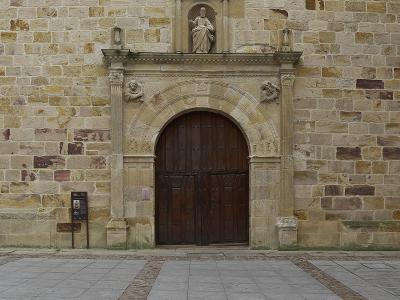
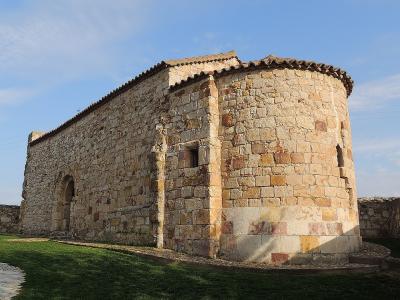
The Romanesque remains are still visible in parts of the building. The southern wall and portions of the northern wall belong to the old church, and the central semicircular apse and the transept also survive from that period, so a visit gives a chance to compare the early stonework with the later alterations. In the early eighteenth century the architect Joaquín Churriguera, a member of the family that gave its name to the exuberant Churrigueresque style, redesigned the tower and built the West entrance, and the contrast between this Baroque façade and the Romanesque fabric is one of the church’s most interesting aspects.
Inside, the sacristy holds a sixteenth-century Flemish triptych, a painted altarpiece with three panels, which is among the treasures of the church. The building is protected as a Bien de Interés Cultural and as a National Monument, declared in 1974, and it contains relics linked to saints honoured in Zamora, which make it a place of continuing devotion. Visitors can expect a calm interior, a place in Zamora’s long religious history and a sense of the long layering of history.
The church is in the same quarter as the other Romanesque churches of Zamora, such as San Andrés, Santiago el Viejo, San Vicente and San Juan de los Caballeros, as well as the Colegiata de Santa María la Mayor, so it is easily included in a walking tour of the old town. The Museo de Zamora and the Parador are nearby. Opening hours are limited, so check locally.
Categories
More photos coming soon
Nearby Attractions
Other places to visit in Zamora
Questions people ask
Quick Facts
Best Time to Visit
May through September offers warm, dry weather ideal for exploring the city.