







Iglesia de San Vicente
- Where
- Zamora, Castile and León
- Directions
- Directions
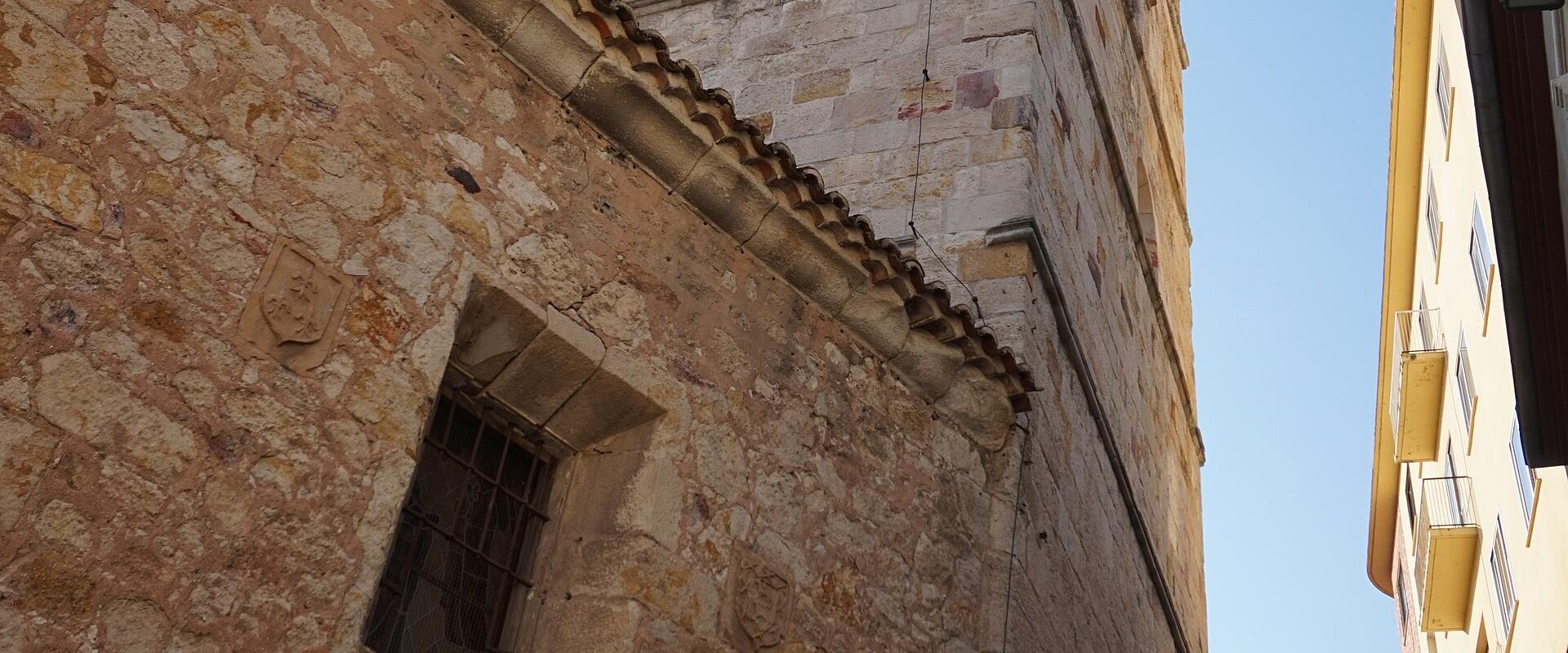
The Iglesia de San Vicente Mártir is one of the Romanesque churches that give Zamora its reputation as an open-air museum of the style. It lies in the old quarter of the city, in what was once an arrabal, a suburb outside the earliest walls, close to the Plaza Mayor, and it is partly hidden by the houses and later buildings around it, so it is worth looking for. The church is dedicated to Saint Vincent, a deacon and martyr from the early fourth century who was killed under Diocletian and is widely honoured in Spain, and it belongs to the great wave of church building that took place in Zamora in the twelfth and early thirteenth centuries.
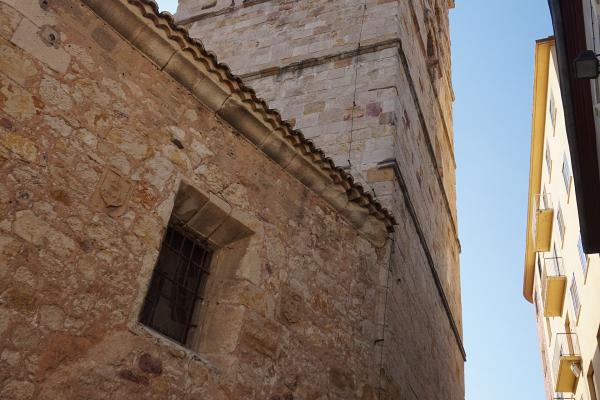
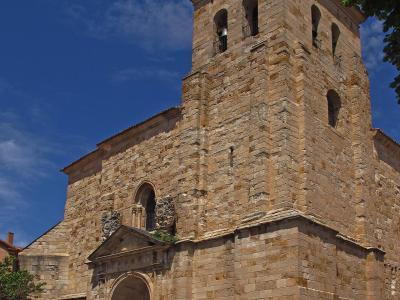
In its original form, the church was a basilica with three naves, in the style of the period, and it was substantial for a parish church. Over the following centuries, it was altered. In the sixteenth and seventeenth centuries the interior was remodelled so that a single nave replaced the original arrangement, and the church lost some of its early structure. What survives of the Romanesque work is mainly found in the side walls and the western gable, the hastial, which keeps the character of the original, with thick stone masonry, small openings and simple arches. The remainder of the building was rebuilt in later styles, so the result is a mixture of old and new in which the Romanesque element is partial.
The church is protected as a national monument, and it is valued as one of the group of Zamora’s Romanesque buildings that together illustrate the way the city developed. Its significance lies not only in the details of the stone but in its place in the pattern of parishes that grew in the medieval city, each with its own church, in a town that was an important frontier position on the Duero. The simple, solid lines of the surviving walls give a good idea of what these churches looked like when they were new.
A visit is mainly an exterior one, and the best approach is to look at the stonework and the western end, which shows the Romanesque style most clearly. The interior is only open at set times, usually around services, and the sources available here give no fixed hours, so check locally. The church’s modest scale and quiet position make it a contrast to the larger monuments, and it rewards a slow look.
San Vicente is easily combined with a walk around the old town. The Cathedral, the Colegiata de Santa María la Mayor, the Iglesia de San Ildefonso, San Juan de los Caballeros and Santiago el Viejo are all within a short distance, and the Museo de Zamora and the Parador are nearby. Allow about fifteen minutes.
More photos coming soon
Nearby Attractions
Other places to visit in Zamora
Questions people ask
Quick Facts
Best Time to Visit
May through September offers warm, dry weather ideal for exploring the city.