







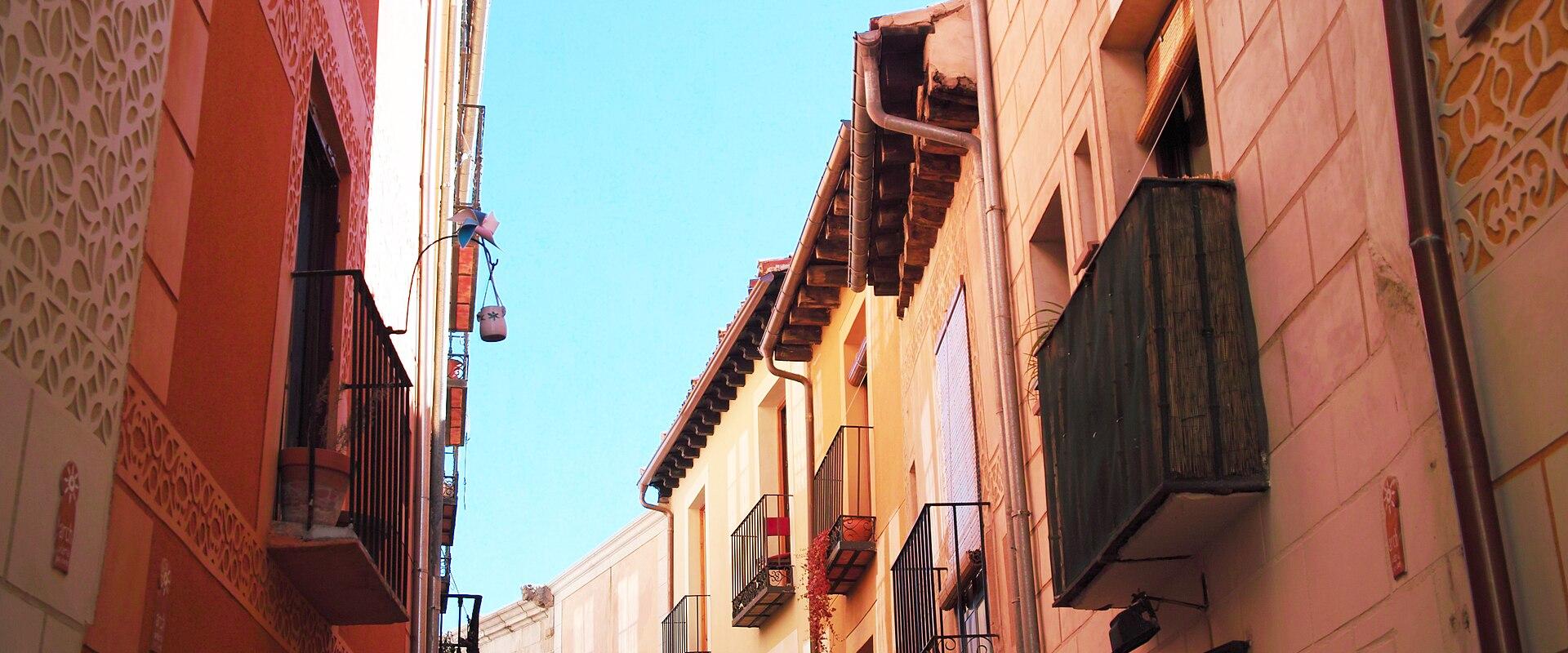
Jewish Quarter (Judería)
- Admission
- Free for the quarter
- Hours
- Open daily, but specific hours may vary by establishment.
- Where
- Segovia, Castile and León
- Directions
- Directions
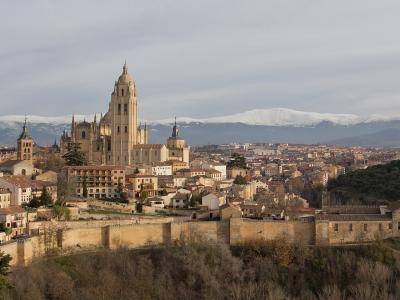
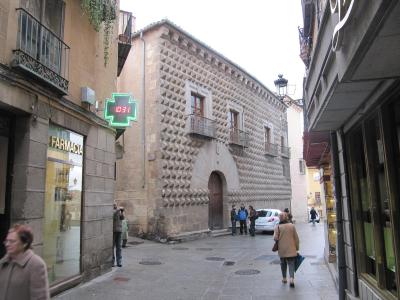
The old Jewish Quarter of Segovia, the Judería, occupies a steep part of the old town between the cathedral, the Canonjías area and the slope that falls toward the valley of the Eresma. The Jewish community of Segovia was one of the largest and richest in Castile for centuries. Records point to settlement here from the Middle Ages, and by the fifteenth century the aljama, as the community was called, had its own synagogue, schools, a cemetery on the hillside and a role in the finances of the town and the crown. The quarter was a self-governing neighbourhood, and its narrow lanes and tall houses reflect the dense layout of a walled medieval enclave.
The centre of the community was the Sinagoga Mayor, the main synagogue, which stood near what is now the Plaza del Corpus. After a fire and later changes in the fifteenth century, the building became a church, the Iglesia del Corpus Christi, and the church has been rebuilt after a fire in the nineteenth century. Its horseshoe arches and the shape of the building recall its earlier use. Visitors can still see the church and the surrounding streets, which are named after Jewish history, such as Calle de la Judería Vieja.
The quarter's story ends abruptly. In 1492, the Catholic Monarchs ordered all Jews in Castile and Aragon to convert or leave. Abraham Seneor, the royal treasurer and chief rabbi of Castile, who came from Segovia, converted and was baptised with the monarchs as sponsors, while many of his community left for Portugal, North Africa and the Ottoman Empire, taking their language and customs with them. The Jewish cemetery, on the slope facing the Alcázar across the Eresma valley, is visible from a viewing point, and it can be reached on a walking route.
Today, the area is a calm and picturesque part of the city. A small interpretive centre, the Centro Didáctico de la Judería, set up in a historic house, explains the history and daily life of the community, with displays of artefacts and models. Signs along the streets and information panels guide walkers through the quarter. The district is quieter than the area around the Segovia Aqueduct and the Plaza Mayor.
It suits history lovers and walkers, and it combines naturally with the Segovia Cathedral and the Alcázar of Segovia. A walk down to the Parque del Río Eresma takes you through the cemetery viewpoint. Check opening times for the interpretive centre before visiting.
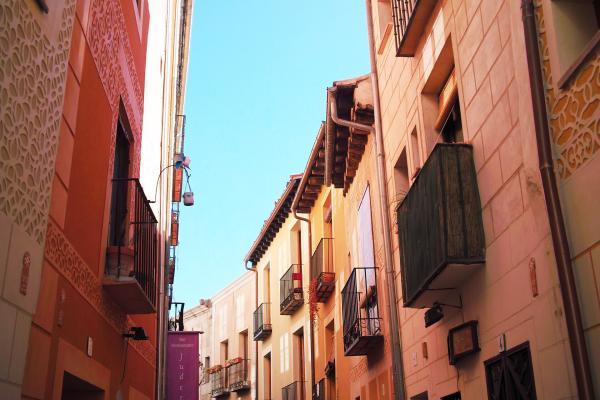
More photos coming soon
Hours & Fees
- Open
- Open daily, but specific hours may vary by establishment.
- Admission
- Free for the quarter
Hours and prices change, especially out of season. Check with the venue before you go.
Nearby Attractions
Other places to visit in Segovia
Questions people ask
Quick Facts
Best Time to Visit
May through September offers warm, sunny weather ideal for exploring the historic center.