







Segovia Aqueduct
- Where
- Segovia, Castile and León
- Directions
- Directions
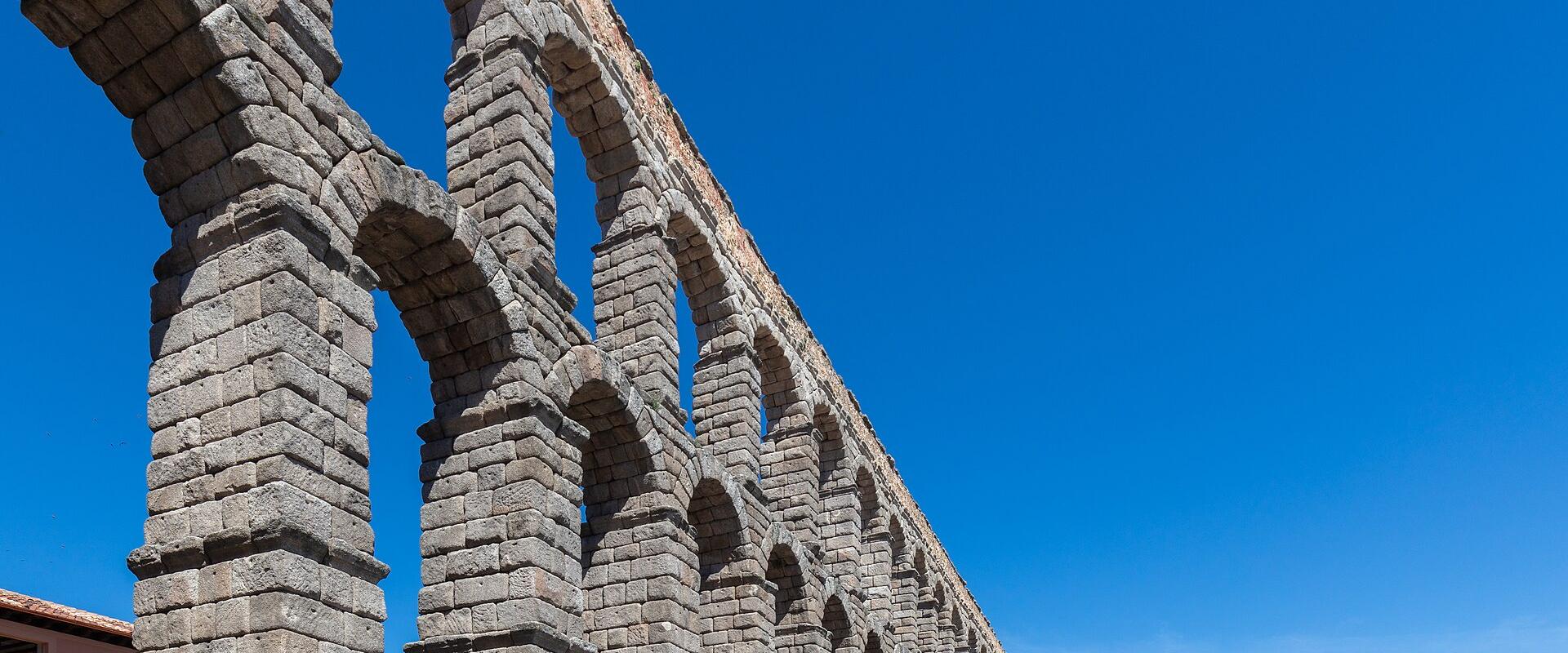
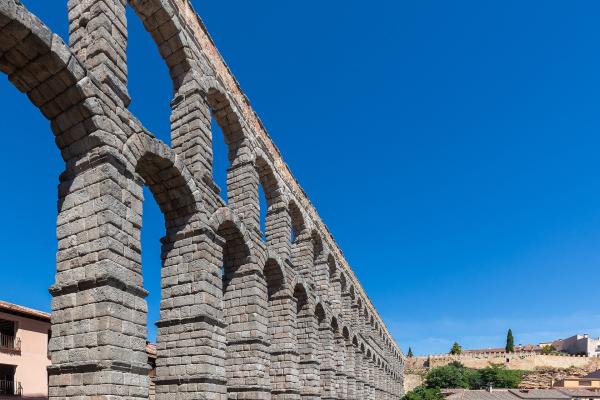
The Segovia Aqueduct is the best-known Roman monument in Spain and one of the most complete anywhere in Europe. Built in the late first or early second century AD, it carried water from the Río Frío in the nearby mountains into the city, over a distance of some seventeen kilometres, with the final stretch across the valley where the old town begins. The monumental section in the city is about 800 metres long and reaches a height of roughly 28 metres at the Plaza del Azoguejo, where two tiers of arches stack up in a single sweep.
What makes the aqueduct extraordinary is its construction. The granite blocks were cut and set without any mortar, held in place by their own weight and the precise geometry of the arches. Nothing fancy decorates it; the beauty lies in rhythm and scale, with more than a hundred arches marching in line. A small niche near the centre holds a statue of the Virgin, a reminder that the monument was later adopted into the religious life of the city. Repairs under the Catholic Monarchs in the fifteenth century saved it from decay, and the water channel remained in service for centuries, into modern times.
UNESCO inscribed the Old Town of Segovia and its aqueduct on the World Heritage list in 1985. The monument is not fenced like a museum piece; it is part of the street scene, and you can walk beneath the arches, look up from the Plaza del Azoguejo and follow the steps that lead up the side to a higher viewpoint. A viewing area at the top allows a glance along the line of the channel. Climbing on the stones themselves is not allowed.
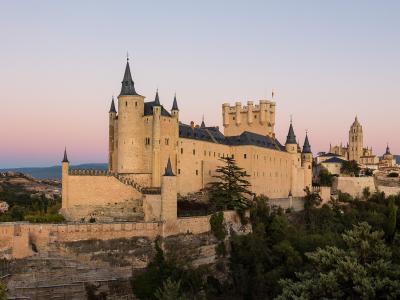
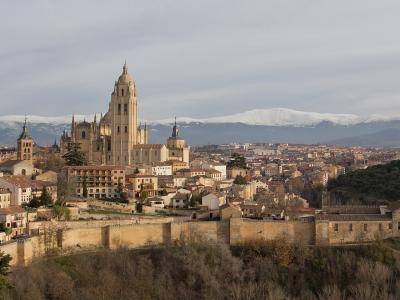
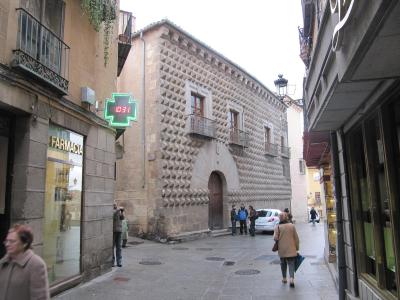
The best times for photography are early morning and late afternoon, when low light brings out the texture of the granite and the crowds are thinner. From the aqueduct, Calle Real leads uphill through the old town toward the Casa de los Picos, Segovia Cathedral and eventually the Alcázar, so the monument makes a natural start to a day in the city. The Jewish Quarter and the Parque del Río Eresma are also nearby.
It suits everyone: history lovers, families and casual visitors, since viewing it costs nothing. Segovia is also known for its roast suckling pig, cochinillo asado, served in restaurants around the Azoguejo, which gives the visit a natural lunch stop.
Categories
More photos coming soon
Questions people ask
Quick Facts
Best Time to Visit
May through September offers warm, sunny weather ideal for exploring the historic center.