







Museo de Zamora
- Where
- Zamora, Castile and León
- Directions
- Directions
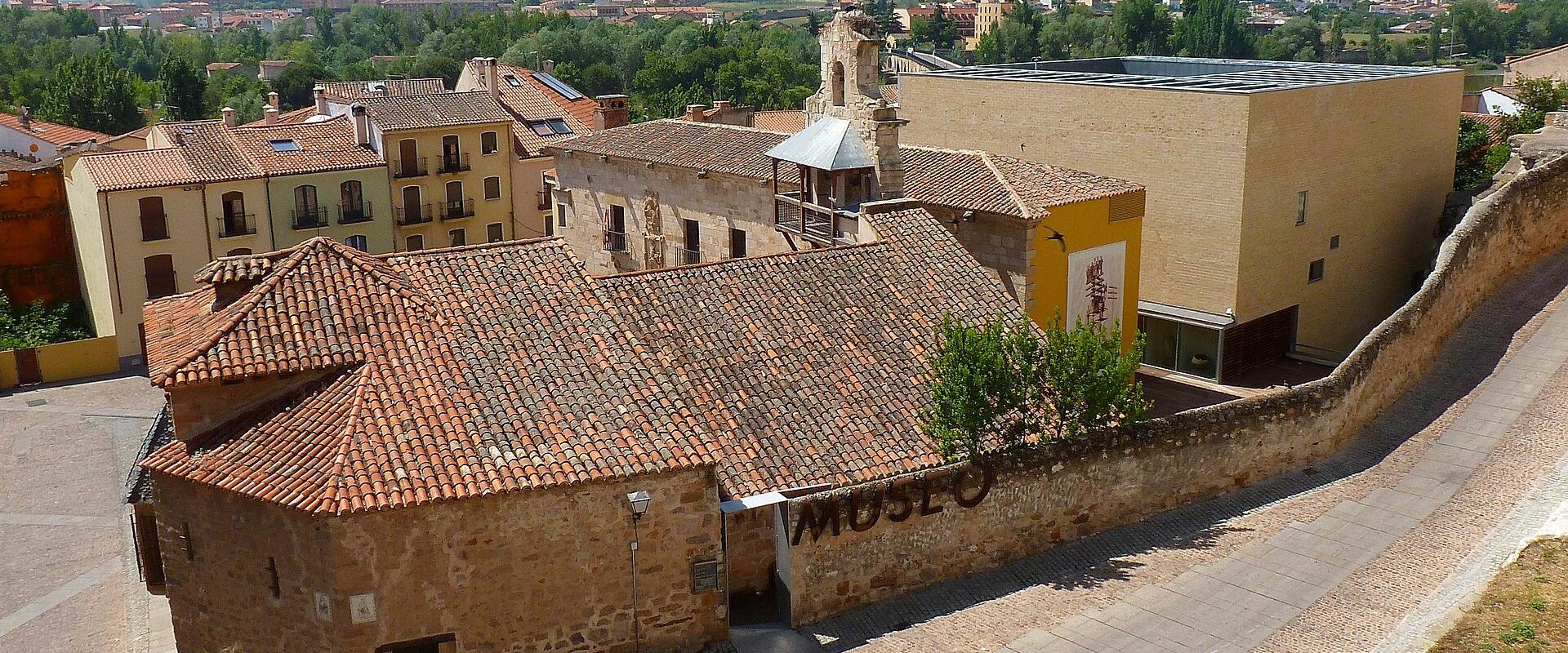
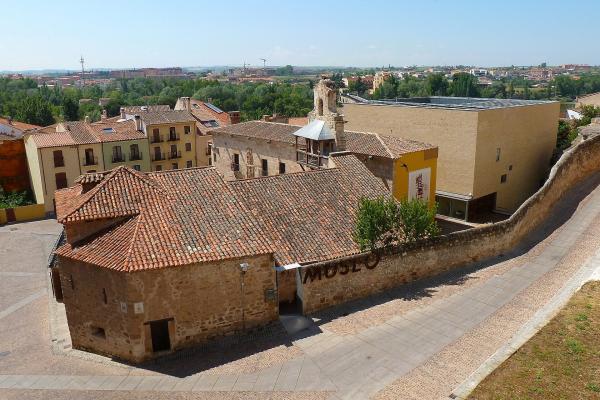
The Museo de Zamora is the provincial museum of Zamora, a small city on the Duero river in the north-west of Castile and León, and it is housed in a building that combines the old and the new. The museum occupies the Palacio del Cordón, a sixteenth-century palace named after the stone cord carved over its doorway, a symbol of the Franciscans, with a large modern extension designed by the architects Luis Moreno Mansilla and Emilio Tuñón. The new part, with its pale walls, simple geometry and pattern of openings, forms a calm backdrop to the old stone, and the two are linked by courtyards and walkways. The museum lies in the Santa Lucía district, close to the cathedral and the river, and a short walk from the old churches.
The collections are divided into two main sections: archaeology and fine arts. The archaeology galleries follow the human story of the province from prehistory through the Roman and medieval periods. Zamora lay on the old routes of the Duero valley, and the displays include Roman pottery and mosaics from villas of the region, as well as objects from the early medieval period, when the area was a frontier between the Christian kingdoms and Al-Andalus. Among the best-known pieces is the Visigothic treasure of Villafáfila, a hoard of gold-plated crosses and other liturgical objects that gives a rare glimpse of the art of the seventh century.
The fine arts section covers painting, sculpture and decorative arts from the Middle Ages to the twentieth century. It includes carved Romanesque and Gothic figures from the churches of the province, Renaissance and Baroque altarpieces and paintings, and works by artists of the region. Zamora is famous for its Holy Week sculptures, the processional figures carried through the streets, and the museum helps to understand the artistic tradition behind them. Later rooms show nineteenth- and twentieth-century works.
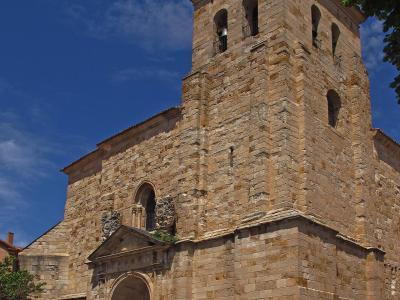
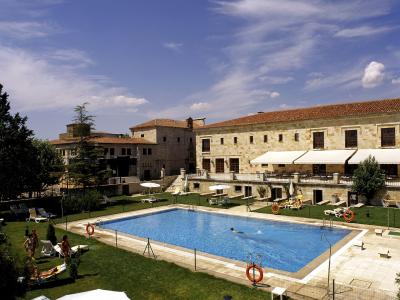
The museum is a good introduction to the city, which has an exceptional number of Romanesque churches built in the twelfth and thirteenth centuries. Within walking distance are the Colegiata de Santa María la Mayor, the Iglesia de San Juan de los Caballeros, the Iglesia de San Ildefonso, the Iglesia de Santiago, the Iglesia de San Pedro Mártir, the Iglesia de San Vicente and the Iglesia de San Andrés, as well as the Parador de Zamora in a former palace. The museum is calm and uncrowded, unlike the great national museums.
It suits history and art lovers, and a visit takes about an hour and a half. Opening hours follow a seasonal schedule, so check in advance.
Categories
More photos coming soon
Nearby Attractions
Other places to visit in Zamora
Questions people ask
Quick Facts
Best Time to Visit
May through September offers warm, dry weather ideal for exploring the city.