
Palacio del Infantado
15th-century palace housing the Provincial Museum
- Admission
- Free
- Hours
- Tuesday through Sunday 10:00 to 14:00; closed on Mondays
- Where
- Guadalajara, Castile-La Mancha
- Directions
- Directions
The Palacio del Infantado is the grandest historic building in Guadalajara, a late Gothic palace built in the fifteenth century for the Mendoza family, one of the most powerful noble houses in Castile. The Mendozas held the title of Dukes of the Infantado, and Íñigo López de Mendoza, the second duke, began the palace around 1480, with the architect Juan Guas, who also worked on the cathedral of Toledo and the monastery of San Juan de los Reyes, designing it. The building was completed in the 1490s and was meant to show the family’s importance and rival the courts of the kings. It is one of the finest examples of the style that blends Gothic and Mudéjar traditions, sometimes known as Isabelline.
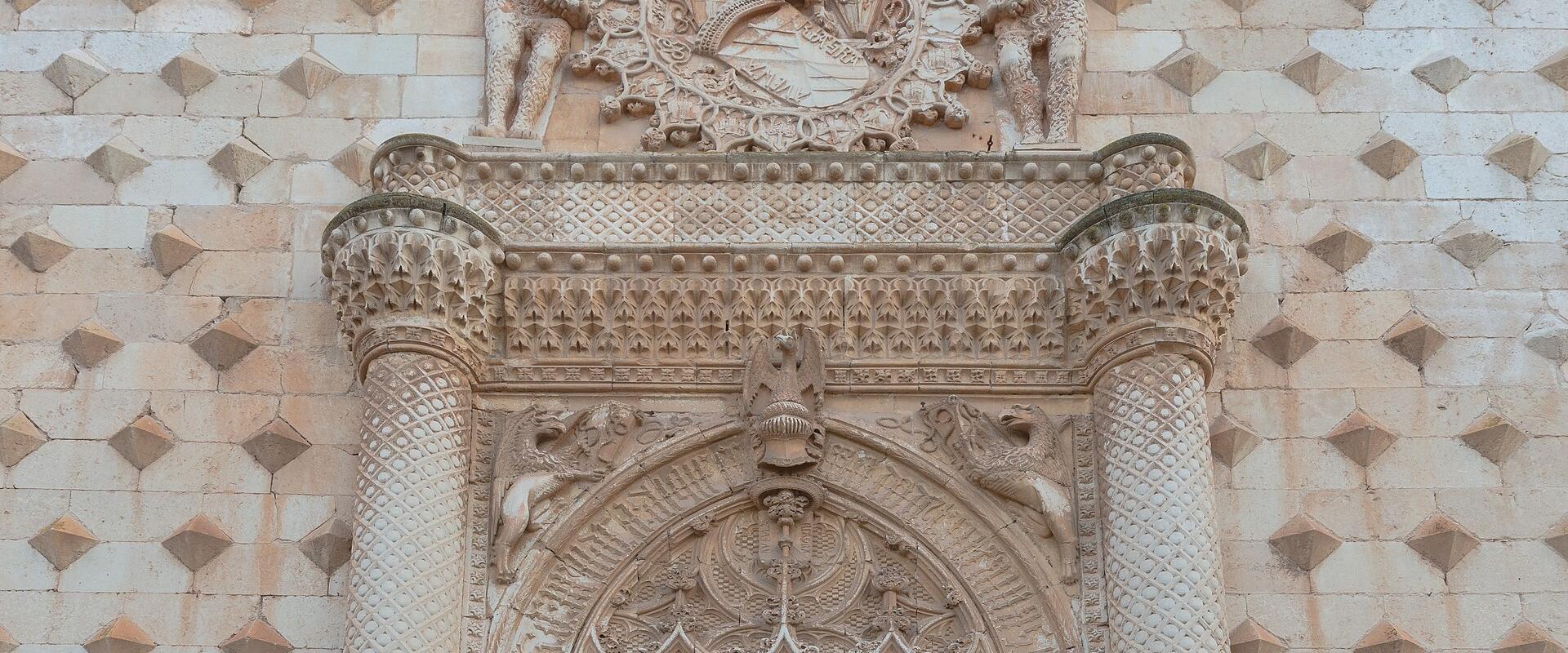
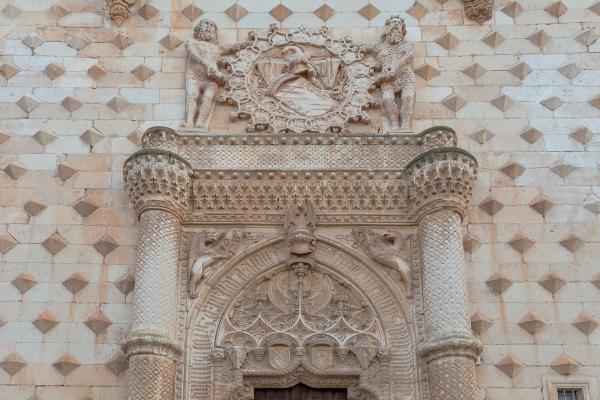
The façade is the most famous part. The stone front is studded with rows of diamond-shaped points, in the manner known as diamond-point rustication, which gives the wall a faceted, glittering surface, and above it runs a gallery of arches and a carved cornice. The main doorway is richly decorated with the heraldry of the Mendozas, and the combination of strict geometry and fine detail is striking. The Gothic and Mudéjar forms are combined with early Renaissance details, a mixture typical of Spain around 1500.
The interior centres on the Patio de los Leones, the Lions’ Courtyard, a two-storey cloister with twisted columns, richly carved arches and lions on the upper level, one of the most elegant courtyards of its time. The palace once had magnificent halls, with painted ceilings and tapestries, and it received kings and nobles. According to tradition, Francis I of France, the prisoner of Charles V, was lodged here during his captivity in Spain in the 1520s, a story that shows its status. In the following centuries the Mendozas moved to other residences, and the palace was used for various purposes.
The palace suffered grave damage in the Spanish Civil War, when it was bombed in 1936 and 1937 and burned, and it lost its roofs and much of its interior. Only the façade and the Lions’ Courtyard survived in reasonable condition. It was reconstructed after the war, with the main rooms rebuilt and the painted ceilings restored in the Frescoes Room, and the palace now houses the Provincial Museum of Guadalajara. The museum displays archaeological finds, including Roman mosaics, medieval and Renaissance art, and a collection of sculpture, and one room has frescoes with painted ceilings.
The palace is open on most days, with shorter hours on some, and it is closed on Mondays, and entry has been free, though it is wise to check. A visit takes about an hour. It stands in the centre of Guadalajara, which is about fifty kilometres north-east of Madrid, so it can be visited on a day trip, perhaps together with the nearby towns of the Alcarria region.
Categories
More photos coming soon
Hours & Fees
- Open
- Tuesday through Sunday 10:00 to 14:00; closed on Mondays
- Admission
- Free
Hours and prices change, especially out of season. Check with the venue before you go.
Nearby Attractions
Closest attractions by distance
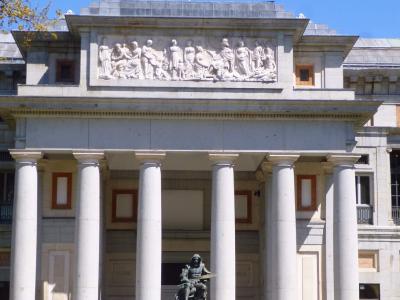
Museo del Prado
Museums & Culture · Art Museums
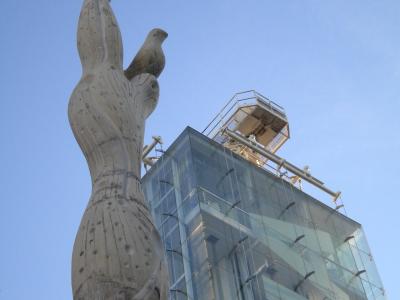
Reina Sofía Museum
From €12 Museums & Culture · Abstract Art
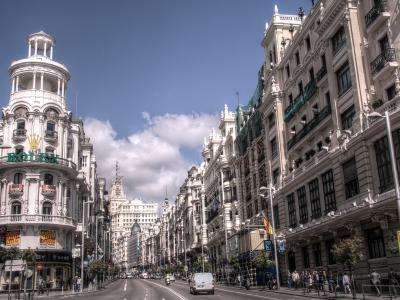
Gran Vía
City Centers · Historic Districts
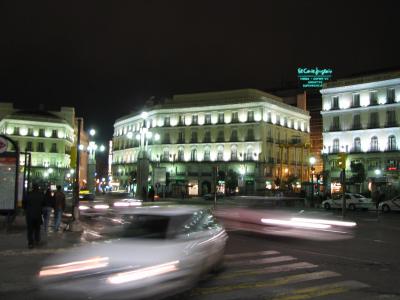
Puerta de Sol
Historic Heritage · City Centers
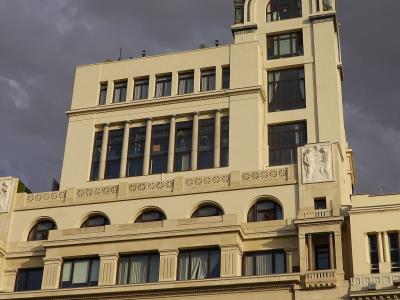
Círculo de Bellas Artes
Art Museums · Cultural Centers
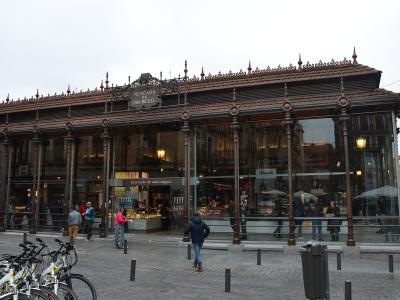
Mercado de San Miguel
Free Cultural Centers · Markets
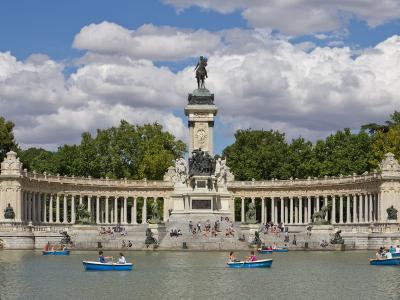
Retiro Park (Parque del Buen Retiro)
Free Cultural Events · Gardens
Royal Palace of Madrid (Palacio Real)
Architectural Heritage · City Centers
Questions people ask
Quick Facts
Best Time to Visit
April to June and September to October offer mild weather and fewer crowds.