







Plaza de Toros de Teruel
- Where
- Teruel, Aragon
- Directions
- Directions
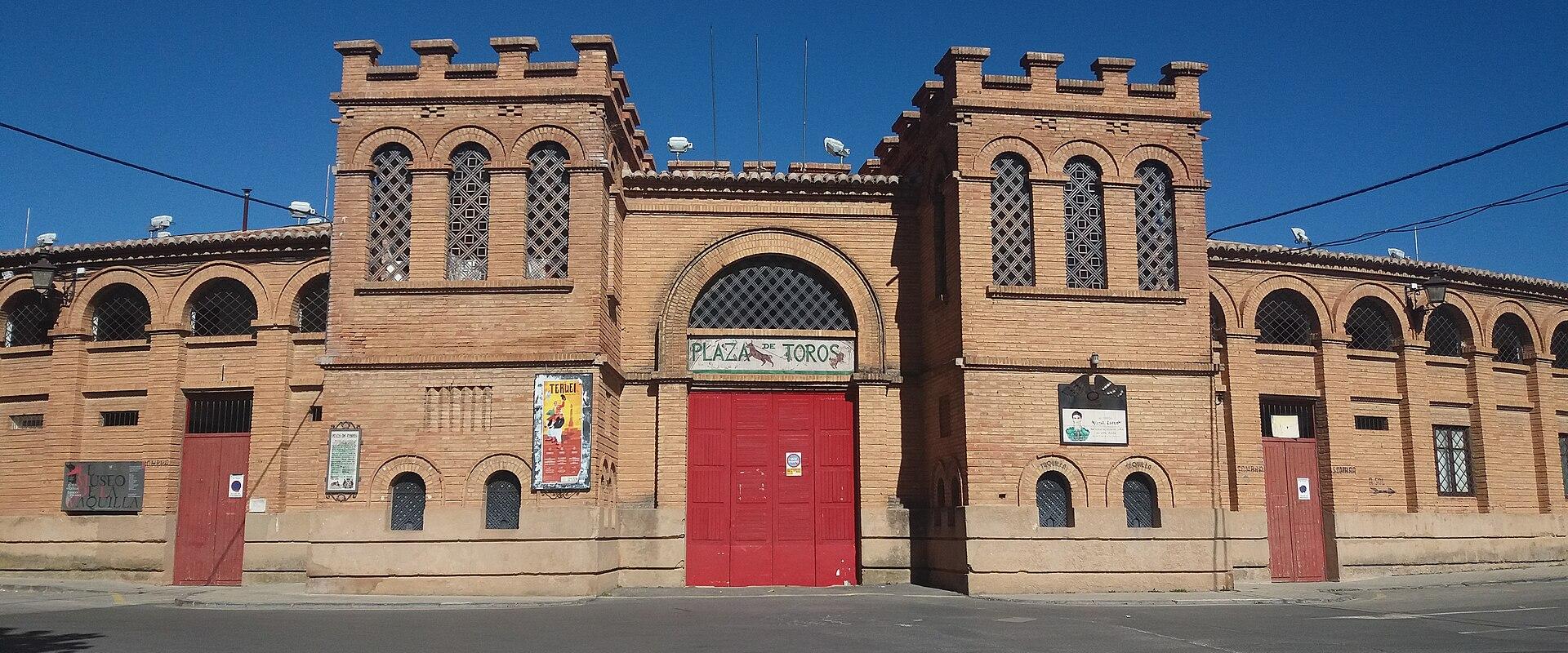
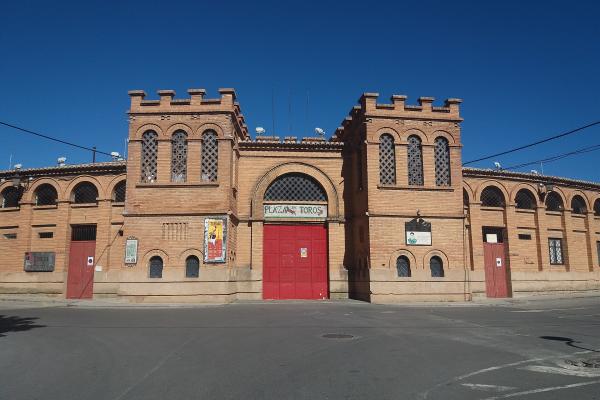
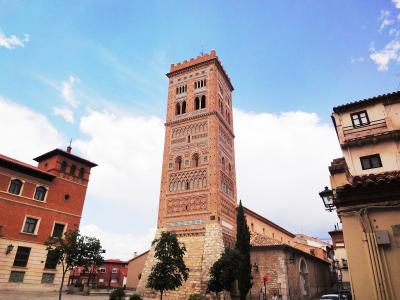
The Plaza de Toros de Teruel is a brick bullring in the city’s modern district, and it is one of the best examples in Aragon of the Neomudéjar style, the twentieth-century revival of the brick-and-tile architecture that Teruel is famous for and that reflects the city’s Moorish heritage in a later, Christian-built form. The building dates from the first half of the twentieth century and was designed to match the city’s older Mudéjar towers, so its walls are laid in patterned red brick with arches and decorative bands that recall the work of medieval craftsmen. The architect is not firmly established in the sources available here, so this guide does not name one. The walls change colour through the day, and at sunset the brick glows warmly, which is the best time to see it.
A bullring may not be the first thing people associate with Teruel, since the city is better known for its Mudéjar towers and for the legend of the Lovers of Teruel. But bullfighting has deep roots in the region, and the ring is used for more than bullfights. It hosts concerts, sporting events and shows, and it is the main venue for the city’s biggest festival, the Vaquilla del Ángel, held in July, in which the town fills with crowds in red neckerchiefs, music and street celebrations. The festival, sometimes referred to as the Feria del Ángel, ends with the ritual of the vaquilla in the ring and the square, and for several days the city’s normal rhythm changes.
The tour of the building, where available, gives access to the stands and to parts of the interior, and visitors who are interested in the history of bullfighting can learn about the tradition, its terms and its role in local life. A small display about the Vaquilla festival may also be found there, though what is open varies with the date, so check ahead. Opinions on bullfighting are divided, and visitors who choose to see an event should know what to expect; those who prefer to avoid it can simply admire the architecture from outside.
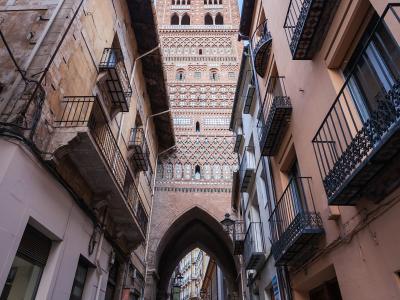
The ring sits near the centre but away from the historic core, so the walk from the old town takes a few minutes. Plaza del Torico, with its small bull statue on a column, is the symbolic centre of the old town, and the Casco Histórico, Iglesia de San Martín and Torre del Salvador, which are Mudéjar landmarks, are close by. The Museo de Teruel and the dinosaur museum offer other options in the city.
Ticket office hours change through the year, and on festival days the building is very busy.
Categories
More photos coming soon
Nearby Attractions
Other places to visit in Teruel
Questions people ask
Quick Facts
Best Time to Visit
June through September offers warm, dry weather ideal for exploring the historic center.