

History
Teruel’s history is a fascinating tapestry woven from Islamic influence, Christian reconquest, and romantic legend. Situated at 900 meters in the Aragon region, the city was originally a Moorish settlement before being captured by Christian forces in the 12th century. This transition led to the development of Mudéjar architecture, a unique style that blends Islamic artistic traditions with Christian religious structures. The city’s most famous historical narrative is the legend of "The Lovers of Teruel," a tragic romance comparable to Romeo and Juliet, which centers on the Mausoleum of the Lovers in the San Pedro church. This story has become integral to the city’s identity, earning it the nickname "City of Love." Beyond its urban history, the surrounding province is known as the "Cradle of Dinosaurs" due to its rich paleontological heritage, with fossils dating back to the Jurassic period found in the nearby Maestrazgo region.
Main Attractions
The primary attraction in Teruel is its UNESCO World Heritage-listed Mudéjar architecture. The Cathedral of Santa María de Mediavilla features a stunning bell tower with intricate brickwork and geometric patterns, offering panoramic views of the city. Nearby, the San Martín Tower stands as another masterpiece of Mudéjar design, showcasing the region’s medieval craftsmanship. The historic center is divided into an upper, older section with charming, narrow streets and a lower, grid-patterned area containing the Town Hall and other civic buildings. The Old Viaduct, designed by engineer Fernando Hué in 1929, is a notable modern landmark with a large reinforced concrete arch that once held a Spanish record span. These structures, combined with the city’s extensive medieval walls and gates, create a cohesive historical landscape that invites exploration.
Activities
Visitors to Teruel can engage in a variety of activities that highlight its cultural and natural offerings. Exploring the historic center on foot is the best way to experience the city’s compact, hilly layout, allowing for close-up admiration of the architectural details. The Mausoleum of the Lovers offers a poignant glimpse into the city’s romantic legend, while the Dinopolis theme park provides an interactive experience for families, showcasing the region’s paleontological significance. For nature enthusiasts, the surrounding Maestrazgo region offers rugged landscapes and hiking trails, with medieval villages scattered throughout the area. The local gastronomy is also a key activity, with visitors sampling traditional Aragonese dishes, including high-quality cured meats and local wines, in the city’s numerous taverns.
Getting There
Teruel is accessible by road and rail, though it is less connected than major Spanish hubs. The A-23 highway connects Teruel to Zaragoza and Valencia, making it a convenient stop for road trips. Train services are available via the Renfe network, with connections from Zaragoza and Valencia, though frequencies may be lower than in larger cities. For those flying, the nearest major airports are in Zaragoza (approximately 1.5 hours away) and Valencia (approximately 2 hours away). Once in Teruel, the historic center is walkable, but renting a car is recommended for exploring the surrounding natural areas and villages. Public buses connect the city center to peripheral areas, but a vehicle offers greater flexibility for discovering the province’s hidden gems.
Best Time to Visit
The best time to visit Teruel is during the spring (April to June) and early autumn (September to October). During these periods, the weather is mild and pleasant, with comfortable temperatures ideal for navigating the city’s hilly streets and exploring outdoor sites. Summer months can be hot, with temperatures often exceeding 30°C, while winter months are cold, with occasional snow and freezing temperatures. Visiting in the shoulder seasons allows for a more relaxed experience, with fewer crowds and a greater opportunity to engage with local culture. It is advisable to check the weather forecast before traveling and to book accommodation in advance, especially during local festivals or peak tourist seasons.
Best time to visit
June through September offers warm, dry weather ideal for exploring the historic center.
What to see in Teruel
Our picks first.
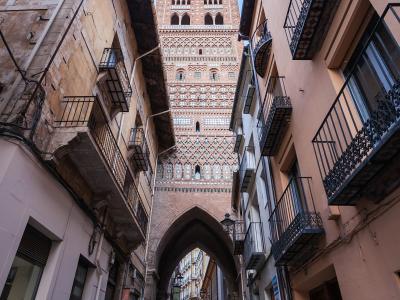
Torre del Salvador
Free Architectural Heritage · Historic Towers
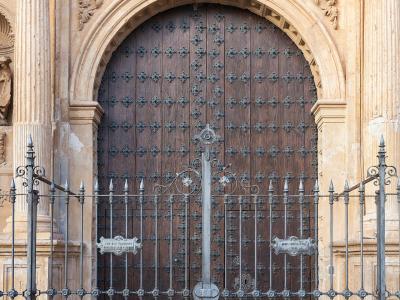
Iglesia de Santa María
Historic Heritage · Architectural Heritage
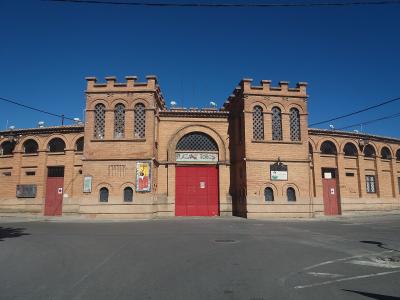
Plaza de Toros de Teruel
Architectural Heritage · Cultural Events
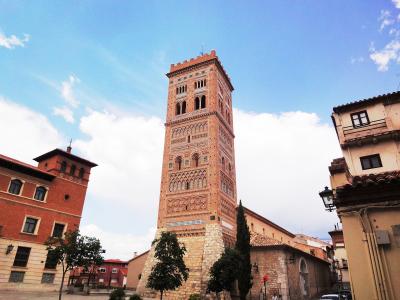
Mudejar Architecture of Teruel
From €2.50 Architectural Heritage · Historic Churches

Museo de los Dinosaurs de Teruel
Museums & Culture · Educational Sites
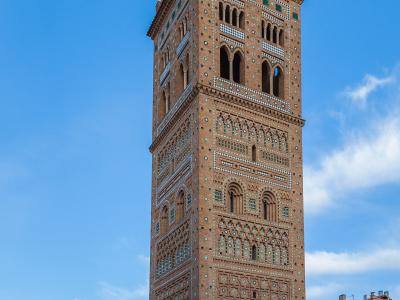
Iglesia de San Martín
Architectural Heritage · Historic Churches
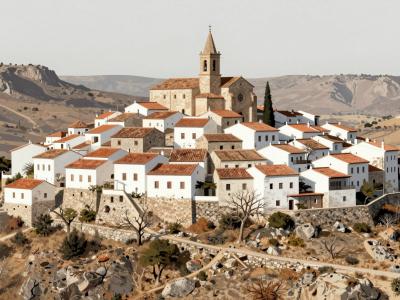
Casco Histórico (Old Town)
Architectural Heritage · Cathedrals
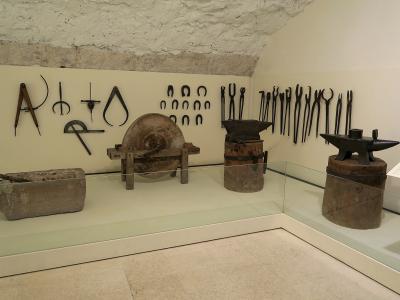
Museo de Teruel
Free Historic Heritage · Museums & Culture
Teruel by interest
The same sights, grouped by what you came for.
Did you know?
Checked facts about Teruel, each with its source.
-
History
Bloodiest Battle of the Spanish Civil War
The Battle of Teruel was fought between December 1937 and February 1938, resulting in some of the bloodiest fighting of the Spanish Civil War. The intense combat, combined with low temperatures, left significant scars on the city.
Source: en.wikipedia.org
Planning a visit to Teruel
Itineraries that include Teruel
Good to know
- Currency
- EUR
- Language
- Spanish