







Port de Mahón
- Admission
- Free admission
- Hours
- Public access is 24/7.
- Where
- Menorca, Balearic Islands
- Directions
- Directions
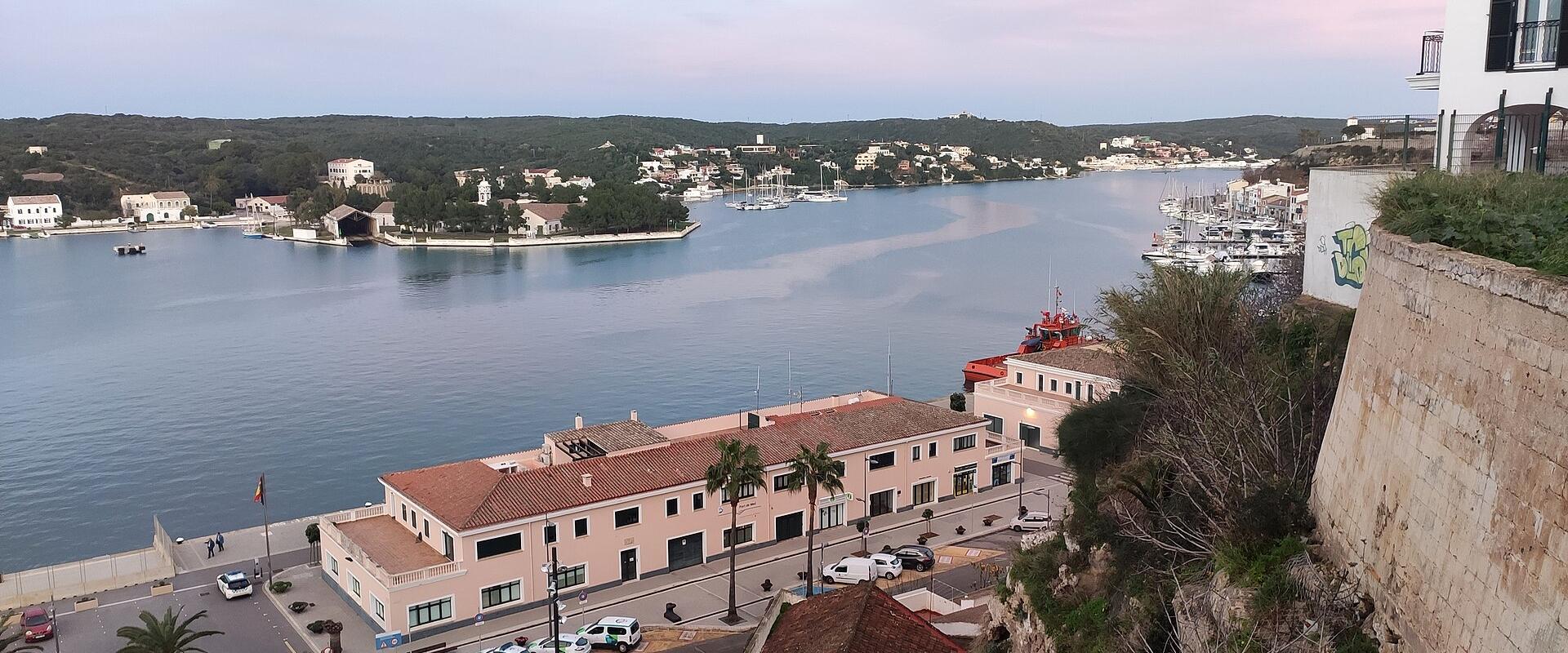
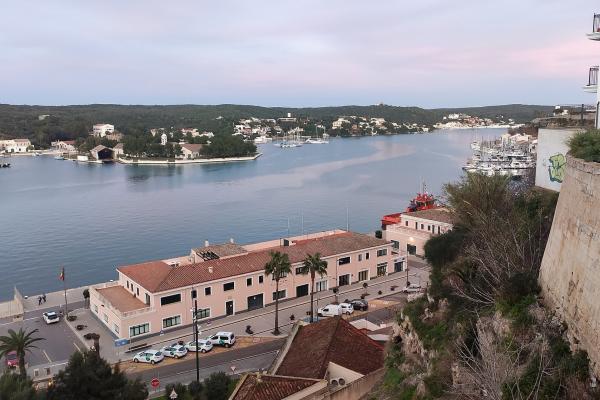
The Port de Maó, spelled Mahón in Spanish, is one of the largest natural harbours in the world, and it is the reason that Maó became the capital of Menorca. The inlet runs about five kilometres inland from the open sea, and it is deep and sheltered, with narrow entrance cliffs that make it hard for storms to enter. Sailors have valued it since ancient times, and tradition says that the name Maó comes from Mago, a Carthaginian general, although that is more tradition than proven fact. The harbour’s position in the western Mediterranean made it a prize for the European naval powers, and over the centuries the Phoenicians, Carthaginians, Romans, Moors, Spanish, French and British all used it.
The eighteenth century was the most eventful period. The British held Menorca for most of the time between 1708 and 1802, and they made Maó their main naval base in the western Mediterranean. They developed the harbour, built a naval hospital on an island in the middle of the inlet, now known as Isla del Rey, and left behind a legacy of architecture, such as sash windows in the town, as well as words and customs, and the local gin, made in the old British tradition. Defences guard the entrance. The Castillo de San Felipe, a huge fortress on the south side of the entrance, was dismantled in the 1780s, and the fortress of La Mola, a vast nineteenth-century stronghold on the north side, is open to visitors. A quarantine station, the Lazareto, stands on an island at the mouth of the harbour, dating from the end of the eighteenth century.
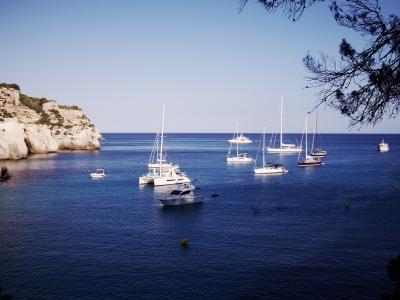
Today, the harbour is a place for walking, boat trips and eating. Along the waterfront, a promenade leads past quays with moored yachts and ferries, and the old fishermen’s quarter, Cales Fonts, has restaurants and bars set in old boat sheds, with tables right on the water. Boat tours leave from the quay and take about an hour, giving views of the fortifications, the islands and the villas along the shore. Steep stairs, the Costa d’en Deu, climb from the quay to the old town above, where the Museu de Menorca and the market are found.
The harbour is also linked to a popular claim, that mayonnaise was first made in Maó, whose name appears in the sauce’s older name, though historians dispute this. Another local product is the Menorcan gin.
The waterfront is free and open at all hours, and the best time to visit is in the late afternoon or evening, when the light is warm. It is a good starting point for exploring the island, and other places such as Cala Macarella, Es Castell and the Cap de Menorca Natural Park are an easy drive away.
Categories
More photos coming soon
Hours & Fees
- Open
- Public access is 24/7.
- Admission
- Free admission
Hours and prices change, especially out of season. Check with the venue before you go.
Questions people ask
Quick Facts
Best Time to Visit
May through September offers warm, dry weather ideal for swimming and beach activities.