
- Where
- Gran Canaria, Canary Islands
- Directions
- Directions
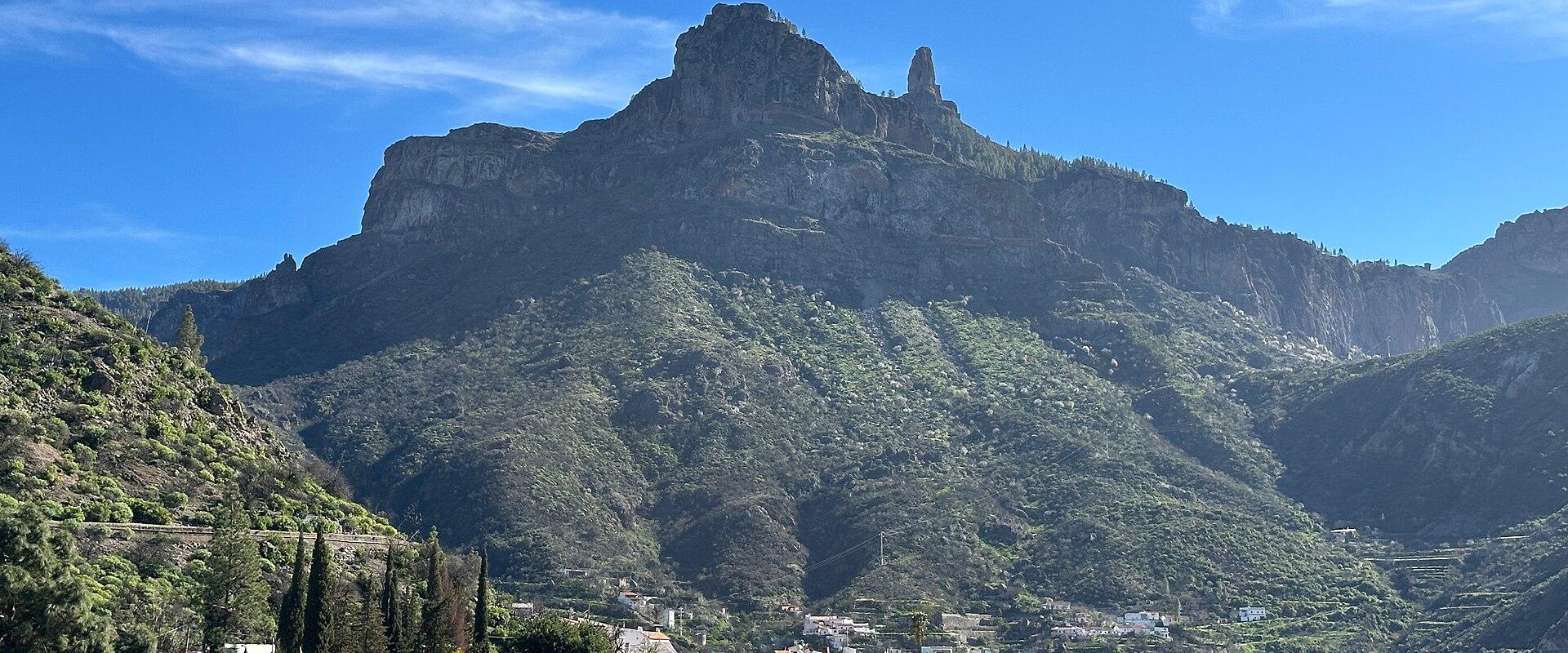
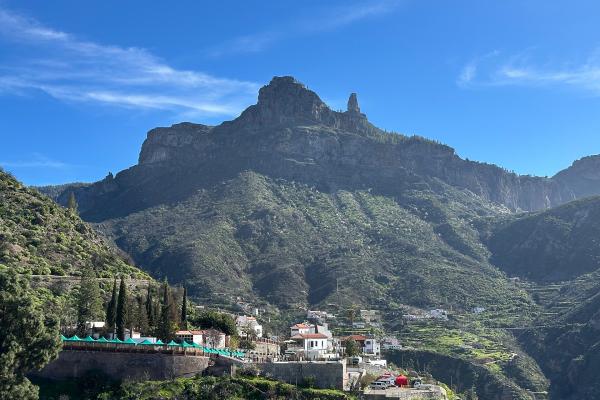
Roque Nublo is the great rock that symbolises Gran Canaria in the Canary Islands, a basalt monolith that rises about eighty metres above its base on a ridge in the centre of the island, with its summit at roughly 1,800 metres above sea level. It is the best known of many volcanic rock formations in the highlands, shaped by erosion from an ancient volcano that once filled this part of the island, and its tall, slightly leaning form can be seen from many parts of Gran Canaria. The area is protected, part of a natural monument and of the UNESCO Biosphere Reserve of Gran Canaria, which was created in 2005, and the rock is among the most photographed sights on the island.
For the original inhabitants of the island, the Canarios, who lived here before the Spanish conquest in the fifteenth century, the rock was a sacred place, and archaeological evidence suggests that it was used for rituals, probably as an altar for offerings to their gods. Next to it stands a smaller formation, the Fraile, the Friar, which resembles a hooded figure, and the pair is a natural monument of the island. The cultural link adds weight to what is already an impressive natural feature.
The usual way to see the rock is on foot, on a well-marked path that starts from a car park on the road at La Goleta, near the village of Ayacata, and winds across the open ridge. The walk is about three kilometres in total, with a climb of a hundred metres or so, and it takes around an hour and a half to two hours for the round trip. The path is rocky but not difficult, and most people with reasonable fitness can manage it. The surroundings are a landscape of pine forest, rocky outcrops and dry mountain scrub, and the air is cooler than on the coast. At the end of the path, you reach the foot of the rock, where a viewing area looks across the island’s interior, with deep ravines, jagged ridges and the other peaks.
The view is the reward, and on a clear day, you can see Mount Teide on Tenerife rising above the sea of clouds, about sixty kilometres to the west. Sunset is particularly striking, and many people time their walk for that. The weather in the highlands can change rapidly, with mist, wind and cold, even when the coast is warm, so bring a jacket, water and sturdy shoes. Climbing the rock itself is not permitted for walkers, as it is reserved for experienced climbers with permission.
The site is reached by car or by bus, and arrangements for access may change, so check the local rules in case there are limits on numbers or reservations. The road up from the south is winding, and mist is common in the morning. Visitors who want a longer day can combine the rock with other viewpoints in the centre of the island.
Categories
More photos coming soon
Nearby Attractions
Other places to visit in Gran Canaria
Questions people ask
Quick Facts
Best Time to Visit
April to October offers warm, pleasant weather ideal for beach activities and outdoor exploration.