Why Seville, and why Triana
Flamenco grew up in the towns of lower Andalusia, with Gitano (Spanish Roma) communities central to its development, and Seville has been one of its main centres since the nineteenth century. In 1881 the singer Silverio Franconetti opened one of the first cafés cantantes in the city, a type of venue where professional singers, guitarists and dancers performed for a paying public. That model is the ancestor of today's tablaos. In 2010 UNESCO added flamenco to its list of the Intangible Cultural Heritage of Humanity.
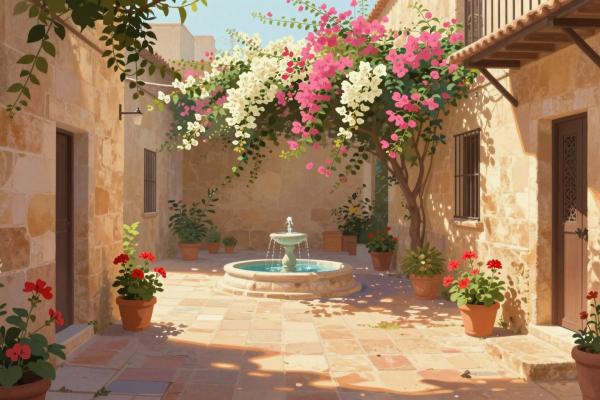
Triana, the district across the Guadalquivir from the old centre, holds a special place in that story. It was home to a large Gitano population, many living in corrales de vecinos, courtyard buildings where families shared a patio and a well. Singers, dancers, potters and bullfighters lived side by side. Much of that community was moved out to the city's edges during redevelopment in the 1970s, so Triana today is less a living flamenco quarter than a place where the history is visible: a few protected corrales survive (Corral Herrera on Calle Pagés del Corro is one), and the Plaza del Altozano at the end of the Isabel II bridge has a monument to flamenco.
The main types of performance
Most visitors see flamenco in one of four settings, and knowing the difference helps you choose.
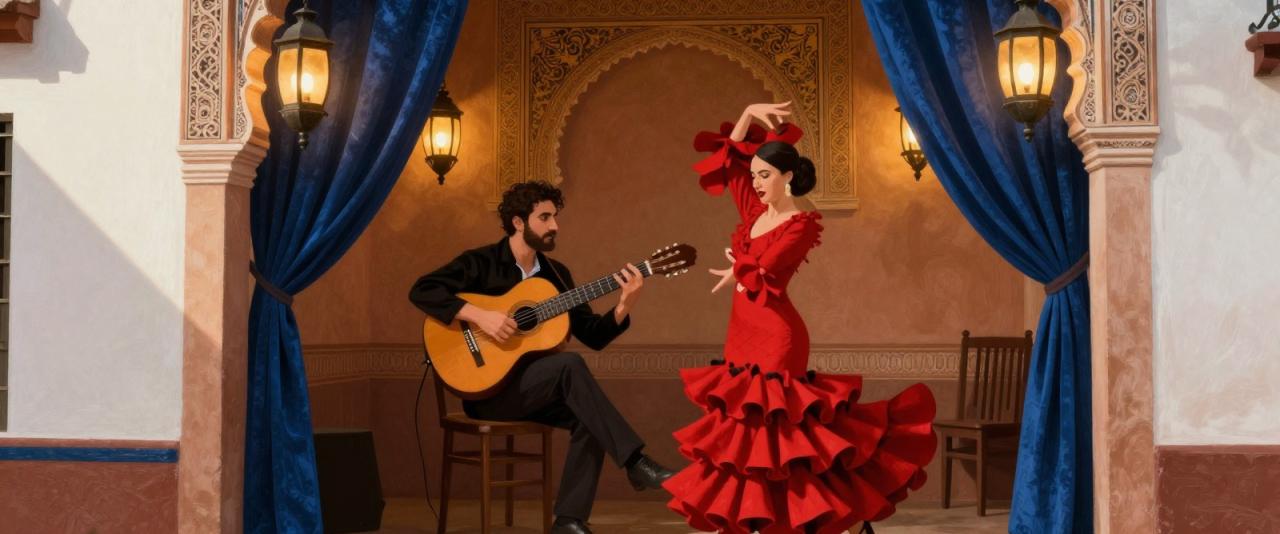
- Tablaos are dedicated venues with a small stage and a nightly programme, usually around an hour long, with singer, guitarist and one or more dancers. Quality ranges from excellent to routine. Some include dinner; many offer a drink-only ticket.
- Cultural centres and small concert halls run shorter shows, often aimed at visitors but staged with care, sometimes several times an evening.
- Theatres and festivals bring the top professional artists. Seville's Bienal de Flamenco, founded in 1980, is held in even-numbered years and runs for several weeks, usually starting in September, with performances in venues across the city.
- Peñas flamencas are members' clubs run by enthusiasts. Some open their doors for recitals, often focused on singing rather than dance. They are the closest thing to an insider's evening, but schedules are irregular and rarely published in English.
Bars with informal flamenco do exist, particularly around Triana and the Alameda de Hércules, but whether there is music on a given night is unpredictable. Treat it as a bonus rather than a plan.
How to choose a show
Rather than relying on a name, look at what a venue publishes:
- Artist names. A good venue lists who is performing each night. If the programme only says "flamenco show", the line-up may change constantly.
- The singer and guitarist. Flamenco is built on cante (song) and toque (guitar). A show that credits its singer and guitarist, not just dancers, is usually more serious.
- Room size. Smaller rooms with fewer than about a hundred seats give a better sense of the footwork and the interplay between musicians.
- Ticket type. If dinner is included, check recent reviews of the food separately. A drink-only ticket is often the better value.
- Recent reviews. Read the latest ones, since performers and management change.
Tourist offices and the city's official tourism website list cultural centres and festival programmes. Booking a day or two ahead is sensible in spring and autumn, which are the busiest seasons.
What you will hear and see
A typical performance moves through several palos, or forms. You might hear a slow, heavy soleá or seguiriya, then something lighter such as alegrías, which comes from Cádiz, and often a fast bulerías to finish. Many palos share a twelve-beat rhythmic cycle, and the handclapping (palmas) and shouts of encouragement from the performers are part of the music, not interruptions.
Sevillanas, the paired dance you will see at the April Fair, is related but separate. It is a social dance that many people in Seville learn at school, rather than stage flamenco.
Etiquette in the room
- Arrive early: seating is often first come, first served within a ticket category.
- Keep phones down. Many venues ban flash and video, and some ask for no photos until the final number.
- Don't clap along unless invited. Off-beat clapping disrupts the musicians.
- Applause during a performance is normal after a strong passage of footwork or singing; you will hear the regulars, so follow their lead.
Beyond the stage in Triana
Pair a show with a daytime walk through the neighbourhood. Cross the Isabel II bridge, visit the Mercado de Triana beside it, and look at the tiled façades that reflect the district's pottery tradition; the Centro Cerámica Triana, opened in 2014 in a former pottery works, explains that history. Calle Betis along the river has views back to the Torre del Oro and the cathedral. In late July the Velá de Santa Ana fills Calle Betis with stalls and sevillanas, one of the best times to see the neighbourhood's own festival culture.
When to go
Seville's flamenco calendar is busiest from autumn to spring. In a Bienal year, September and early October are the peak. Summer evenings are hot and some venues reduce their programmes in August, so if a show matters to your trip, plan around the cooler months.