How hot it gets
Seville is often described as the hottest major city in Europe in summer. Based on 1991 to 2020 averages at the airport, the typical daily maximum in July and August is about 36°C, with nights around 21°C. Those are averages: heatwaves regularly push temperatures above 40°C, and the city's record, set in July 1995, is 46.6°C. Humidity is fairly low, so the heat is dry, which makes it easy to underestimate how much water you are losing.
The hottest part of the day is the afternoon and early evening, not noon. Temperatures often peak around 5pm to 7pm, and pavements and stone walls keep radiating heat long after sunset.
Shape your day around the heat
Locals don't fight the heat; they rearrange the day around it. A workable summer schedule looks like this:
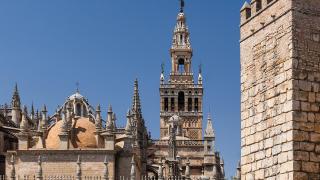
- Early morning (8am to noon): outdoor sightseeing and walking. This is the best time for the Real Alcázar gardens, the cathedral and the Giralda climb, the Plaza de España and the lanes of Santa Cruz. Book the first entry slots where you can.
- Midday to late afternoon (1pm to 6pm or 7pm): indoors. A long lunch, air-conditioned museums, your accommodation or a pool.
- Evening (from about 8pm): out again. The city comes back to life, terraces fill, and dinner starts late, often after 9.30pm.
Shops in the centre may close in the afternoon, and some businesses reduce hours or close for holidays in August.
Sights that work in summer
Indoors and cool. The Museo de Bellas Artes holds one of Spain's major collections of Spanish painting. The Archaeological Museum and the Museum of Popular Arts and Customs face each other in the Parque de María Luisa. The cathedral interior is vast and stays cooler than the streets.
Shaded outdoors. The Parque de María Luisa has mature trees, fountains and shaded paths; go early or late. The Alcázar gardens are best right at opening.
Evenings. The Metropol Parasol, the large timber structure in the Plaza de la Encarnación completed in 2011, has a rooftop walkway with views over the old town that is particularly good at sunset. A walk along the river between the Torre del Oro and the Triana bridge is pleasant once the sun drops.
Staying safe
Heat illness can affect anyone, not just older travellers. Spain's state weather agency, AEMET, issues yellow, orange and red heat warnings by area; check them each day during your trip.
- Drink water regularly, before you feel thirsty, and carry a refillable bottle.
- Wear a hat, light loose clothing and sunscreen, and stay in the shade.
- Avoid heavy exertion, including long walking tours, in the afternoon.
- Know the warning signs of heat exhaustion: headache, dizziness, nausea, heavy sweating or a lack of sweat, and confusion. Move to a cool place and seek medical help if symptoms don't improve. In an emergency, call 112.
- Check on children and anyone with heart or respiratory conditions; they are more vulnerable.
Getting around
Walking short distances in the shade is fine in the morning, but in the afternoon take taxis, buses or the tram rather than crossing open squares on foot. Seville's metro line and buses are air-conditioned. Many central streets have canvas awnings stretched between buildings in summer, which help noticeably; route your walks along them.
Where to stay
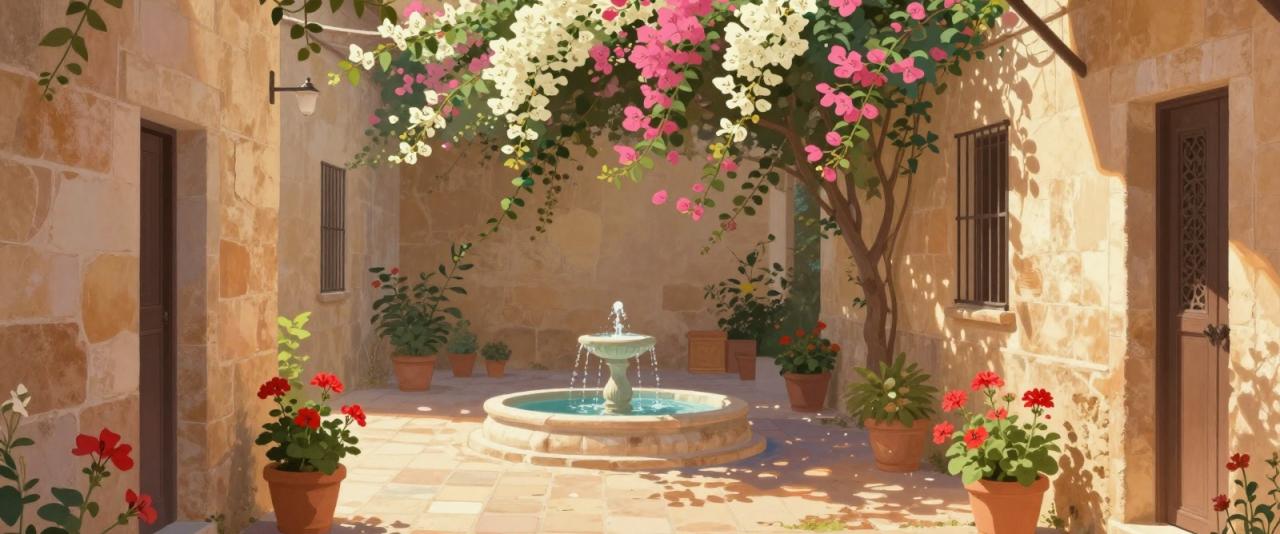
Accommodation with good air conditioning is essential, not a luxury, in July and August. A pool, even a small rooftop one, makes the afternoon break much easier. Staying in or near the old centre reduces the time you spend walking in the heat between sights. Rooms facing an inner courtyard are often cooler and quieter than those facing the street, and blackout curtains or shutters help keep heat out during the day. Close them in the morning and open windows only once the evening air has cooled.
Is summer worth it?
If your dates are flexible, spring and autumn are more comfortable for sightseeing, though Holy Week and the April Fair bring crowds and higher prices. Summer has its advantages: fewer tour groups at some sights, warm nights for long dinners outside and a slower rhythm. With an early start, a long indoor break and late evenings, a July or August visit is entirely manageable.