Santa Cruz in Context
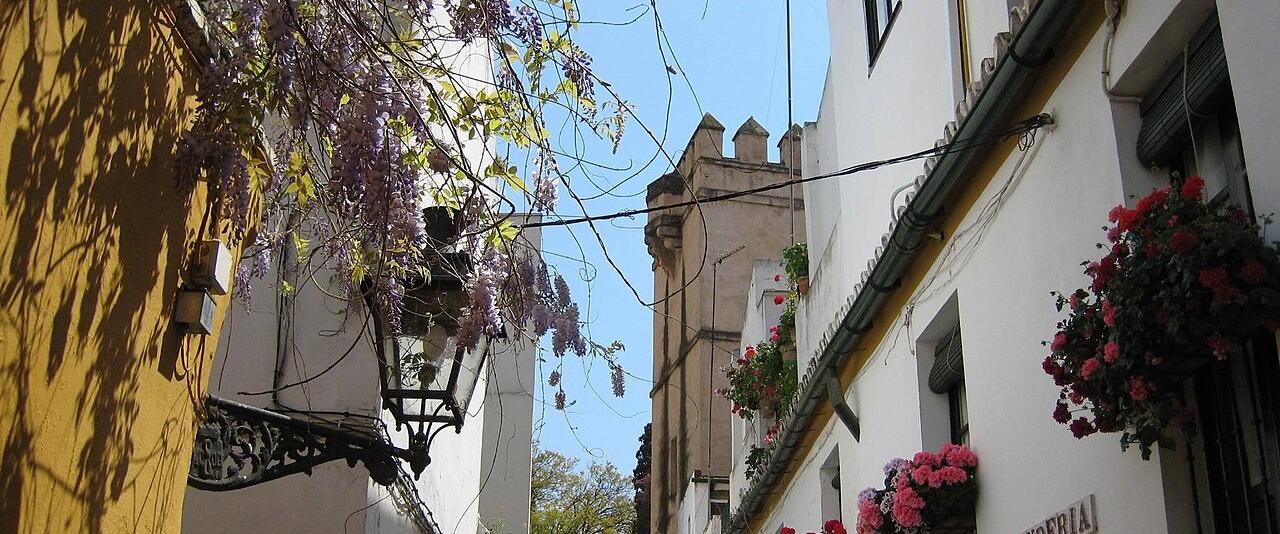
Barrio Santa Cruz is the old Jewish quarter of Seville, a knot of narrow lanes and small squares squeezed between the cathedral, the Real Alcázar and the old city walls along Calle Menéndez Pelayo. It is the most visited part of the city, and that shapes its food. Bars on the streets running off the Giralda, such as Calle Mateos Gago, and on the squares near the Alcázar serve a steady stream of visitors from late morning to midnight.
That does not make every bar here poor, but it means the rules that help anywhere in Seville matter more in Santa Cruz: watch what locals order, read the prices before sitting down and be ready to walk ten minutes to the next neighbourhood.
When to Eat
Sevillian meal times are later than most visitors expect. Lunch runs roughly from 13:30 to 16:00 and dinner rarely starts before 21:00, often later in summer when the afternoon heat keeps people indoors. Many kitchens close between services. If you arrive at 19:00 you will find drinks and perhaps cold dishes; arrive at 21:30 and the bars are full and the kitchen is working.
In July and August, a late evening tapas crawl is the most comfortable way to eat. In spring, especially during Holy Week and the April Fair, central bars are packed and some areas are blocked by processions, so plan around the schedules.
How Ordering Works
Unlike Granada or Jaén, where a free tapa often comes with each drink, in Seville you generally pay for tapas. Most bars offer three sizes:
- Tapa: a small plate for one or two bites.
- Media ración: a half portion, good for sharing between two.
- Ración: a full plate for a group.
Standing at the bar is the traditional way to eat, and in many older bars the staff chalk your running total on the counter or keep it in their heads. Table and terrace service may have a separate, higher price list, and some places only serve raciones at tables. Ask before you sit if it is not written down. Tipping is modest in Spain: rounding up or leaving small change is normal.
Dishes to Look For
Seville has its own canon of bar food. Dishes to recognise on a chalkboard include:
- Espinacas con garbanzos: spinach and chickpeas with cumin and fried bread, a dish with roots in the city's Moorish past.
- Solomillo al whisky: pork tenderloin in a garlic and whisky sauce, a Sevillian bar classic.
- Carrillada: slow-braised pork or beef cheek in a wine sauce.
- Cazón en adobo: dogfish marinated in vinegar, cumin and paprika, then fried.
- Pavía de bacalao: battered salt cod.
- Montadito de pringá: a small roll filled with shredded meats from a cocido stew.
- Serranito: a sandwich of grilled pork loin, cured ham and fried green pepper.
- Salmorejo: a thick cold tomato and bread soup from nearby Córdoba, served with egg and ham.
- Tortillitas de camarones: crisp shrimp fritters from the Cádiz coast.
Montaditos (small filled rolls) are cheap, quick and a good way to try several fillings in one stop.
What to Drink
The classic pairings are a cold caña (small draught beer) or manzanilla, the dry sherry from Sanlúcar de Barrameda, served chilled in a small glass. Fino from Jerez works the same way. Tinto de verano (red wine with lemon soda) is the summer default, and vermut from the tap is common at midday. Ask for wine by the glass (una copa) and expect it to be local or regional.
Spotting a Tourist Trap
A few signs suggest a bar is aimed only at passing visitors:
- Photographic menus in several languages and a person outside inviting you in.
- Paella or sangria pushed as the main offer. Neither is a Sevillian bar staple.
- No prices on the menu, or a terrace menu very different from the bar menu.
- A dining room full of visitors at 19:00 and empty at 22:00.
The opposite signs are a handwritten list of the day's dishes, a crowded bar counter and staff speaking Spanish to most customers.
Going a Few Streets Further
Santa Cruz is worth walking at any hour for its patios, the Plaza de Santa Cruz and the Jardines de Murillo along the Alcázar wall. For a fuller tapas evening, many visitors combine a drink in Santa Cruz with a walk north to the Alfalfa and San Lorenzo areas, or across the Guadalquivir to Triana, where neighbourhood bars cater mainly to residents. All are within about 15 to 25 minutes on foot of the cathedral.
Bars change hands, close for refurbishment and take long summer holidays, often in August, so treat any list of names you find online with care and check recent reviews before crossing the city for a specific place.