



The Modular Wardrobe Strategy
Packing light is not about deprivation; it is a strategic exercise in curation. Spanish fashion operates on a frequency of chic, understated elegance, where quality always outweighs quantity. To capture this local aesthetic, construct a capsule wardrobe anchored by neutral tones—navy, charcoal, and beige. These muted hues act as a visual chameleon, allowing you to mix and match a handful of items into dozens of distinct ensembles. You stop thinking about "outfits" and start thinking about combinations, freeing your mind from the stress of daily decisions.
Fabric choice becomes your most critical logistical decision. Linen and merino wool are non-negotiable allies in Spain’s variable climate. They breathe, wick moisture, and regulate temperature far better than synthetic blends. Merino wool, in particular, possesses a surprising superpower: it resists odor buildup. This means you can wear a fine-knit sweater or a dress shirt for two consecutive days without raising eyebrows or requiring a wash. This practicality significantly reduces the volume of laundry you need to manage, keeping your luggage compact and your travel rhythm uninterrupted.
Your footwear dictates the ceiling of your comfort. Ditch the bulky, high-top sneakers for sleek leather loafers or sturdy, supportive walking sandals. The historic centers of Spain are not paved with asphalt; they are paved with history. Cobblestones in Seville’s Alfama district or the granite steps of Granada’s Alhambra are unforgiving to unsupportive soles. A single pair of versatile, broken-in shoes handles both museum visits and evening tapas runs without causing blisters or fatigue.
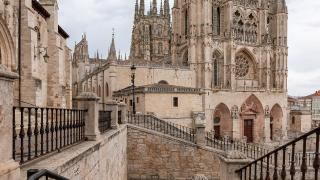
Layering is your defense against thermal whiplash. A lightweight cotton tank serves as a versatile base, while a fine-knit cardigan or a structured denim jacket adds warmth during the crisp evenings common in inland regions. Sun protection remains non-negotiable; a wide-brimmed hat shields your face while adding instant polish. Beyond aesthetics, it serves a functional role as a modesty layer. Many cathedrals, including the massive Seville Cathedral, enforce strict dress codes requiring covered shoulders and knees. A scarf draped over your shoulders transforms a casual daytime look into respectful attire for religious sites in seconds.
This system strips away excess, leaving physical space in your bag for souvenirs and digital space for memories. You glide through airport security with ease and arrive at dinners looking effortlessly put-together. By focusing on utility and local aesthetics, you travel lighter without compromising on comfort.
The Cobblestone Footwear Guide
Spain’s historic centers punish the unprepared. Madrid’s grand boulevards and Seville’s narrow old town rely on uneven surfaces that demand respect. These are not mere walkways; they are archaeological layers of stone that have shifted over centuries. High heels sink into gaps or twist ankles on loose stones. Navigating these areas requires sturdy, comfortable shoes that offer genuine support, not just aesthetic appeal.
Quality leather sneakers or supportive walking shoes offer the best balance between local style and function. They blend seamlessly with the casual sophistication of Spanish urban life while providing the arch support necessary for long days on foot. Your feet will thank you by evening, allowing you to enjoy tapas and wine without the distraction of fatigue. Prioritize function over fleeting fashion trends; a sore foot ruins a trip faster than a wrinkled shirt.
Specific locations test the limits of weak support. The stone paths of the Alcázar of Seville or the bustling Gran Vía in Madrid are unforgiving to inadequate footwear. Brands like Allbirds, Vans, or Birkenstocks often provide the necessary stability, but the key is fit. Avoid trendy but flimsy sandals that offer no structural integrity. Explore ancient alleys with confidence, knowing your gear can handle the terrain. This strategy ensures you enjoy the Iberian Peninsula fully. Your experience improves when your feet don’t ache. Choose wisely, and walk further.
Cultural Modesty and Temple Etiquette
Spain’s deep-rooted Catholic heritage means religious sites enforce strict dress codes that are non-negotiable. Guards at landmarks like the Seville Cathedral or Granada’s Alhambra will turn away visitors wearing shorts or sleeveless tops without hesitation. This policy is not a suggestion; it is a rule enforced to maintain the sanctity of the space. To avoid the embarrassment of being denied entry, keep a lightweight scarf in your day bag. You can drape it over your shoulders in seconds, transforming casual attire into respectful wear.
Respect also extends to behavior. Speak quietly and silence your mobile phone. These actions honor the local faith and culture, acknowledging that these spaces serve a purpose beyond tourism. Plan your visits for cooler morning hours. Fewer crowds make the experience more peaceful and comfortable, allowing you to appreciate the intricate architecture without the pressure of a throng. Always verify specific rules beforehand. Smaller chapels often have tighter restrictions than major cathedrals, and local customs can vary by region.
Preparation lets you focus on history. You can admire the intricate details of the altarpieces or the geometric patterns of the Alhambra without stress. This mindset guarantees a smooth and respectful visit. You are not just a tourist passing through; you are a guest in a place of profound cultural and spiritual significance. Approach it with that level of care.
Tech Essentials and Power Logistics
Spain relies on the Type F two-pin plug, a standard featuring two round pins and side grounding clips. This means devices from North America or Asia will not fit without an adapter. A universal travel adapter is essential for navigating the country’s 230V outlets. Without it, your electronic devices are essentially bricks for the duration of your stay.
Dead batteries can ruin a long day of exploration. Pack a high-capacity power bank to keep your phone and camera alive during transit. Look for models with at least 10,000mAh for reliable all-day support. This is particularly important for navigation apps, which drain batteries quickly when using GPS.
Plan your charging routine around your itinerary. You can top up devices at cafes in Seville, hotels in Madrid, or even in transit hubs. Having a portable charger ensures you never miss a moment of your journey due to a dead battery. It is a small investment in peace of mind, ensuring you can always call for help, take a photo, or check a map when needed.
Seasonal Climate Adjustments
Spain’s climate defies simple generalizations. The sun blazes over Andalusia, demanding high-SPF sunscreen and wide-brimmed hats. You will regret skipping this step. The Iberian sun is intense, and the heat can be deceptive, especially in the shade. Protect your skin and stay hydrated.
Contrast that heat with the damp chill of Galicia in the north. Here, the air is cooler, and rain is frequent. Bring wool layers and a waterproof shell. A compact umbrella is also a wise addition for the Basque Country, where sudden showers are common. Comfort follows preparation. Pack versatile pieces that transition from temple visits to evening tapas bars. A light scarf can provide warmth in the evening while respecting religious dress codes during the day.
This approach ensures you are prepared for the whims of Spanish weather. You are not just carrying clothes; you are carrying insurance against discomfort. By planning ahead, you free yourself to enjoy the journey, rather than managing the logistics of it. Travel light, but travel smart.